

In DeFi’s maturing ecosystem, over-collateralized lending dominates, yet it stifles broader participation. Protocols like Aave and Compound demand 120% and collateral to buffer defaults, locking out users without hefty crypto holdings. This model prioritizes protocol safety over capital efficiency, leaving trillions in sidelined value. Enter on-chain risk scores: a data-driven pivot enabling under-collateralized DeFi lending that transcends mere liquidation coverage.

Limitations of Collateral-Only Risk Management
Traditional DeFi lending hinges on liquidation thresholds. Borrowers post excess assets; if values dip, automated liquidations kick in. Effective? Yes, for solvency. Inclusive? Hardly. Smaller communities and emerging users face barriers, as noted in recent analyses from Visa and CoinGecko. Over-collateralization inflates opportunity costs, especially in volatile markets where even stable collateral can trigger cascading liquidations.
Moreover, it ignores borrower behavior. A whale with pristine history gets identical terms as a newbie. This inefficiency caps DeFi’s growth, restricting it to those with surplus capital. On-chain data changes that equation, offering granular insights into verifiable reputation in DeFi.

Decoding On-Chain Risk Scores
These scores aggregate blockchain-native signals: transaction velocity, repayment patterns, protocol interactions, and even social graph ties. Unlike TradFi credit bureaus, everything’s transparent and immutable. Protocols like Credora, Spectra, and Cred score users via on-chain repayment history, blending payment fidelity with liquidation avoidance.
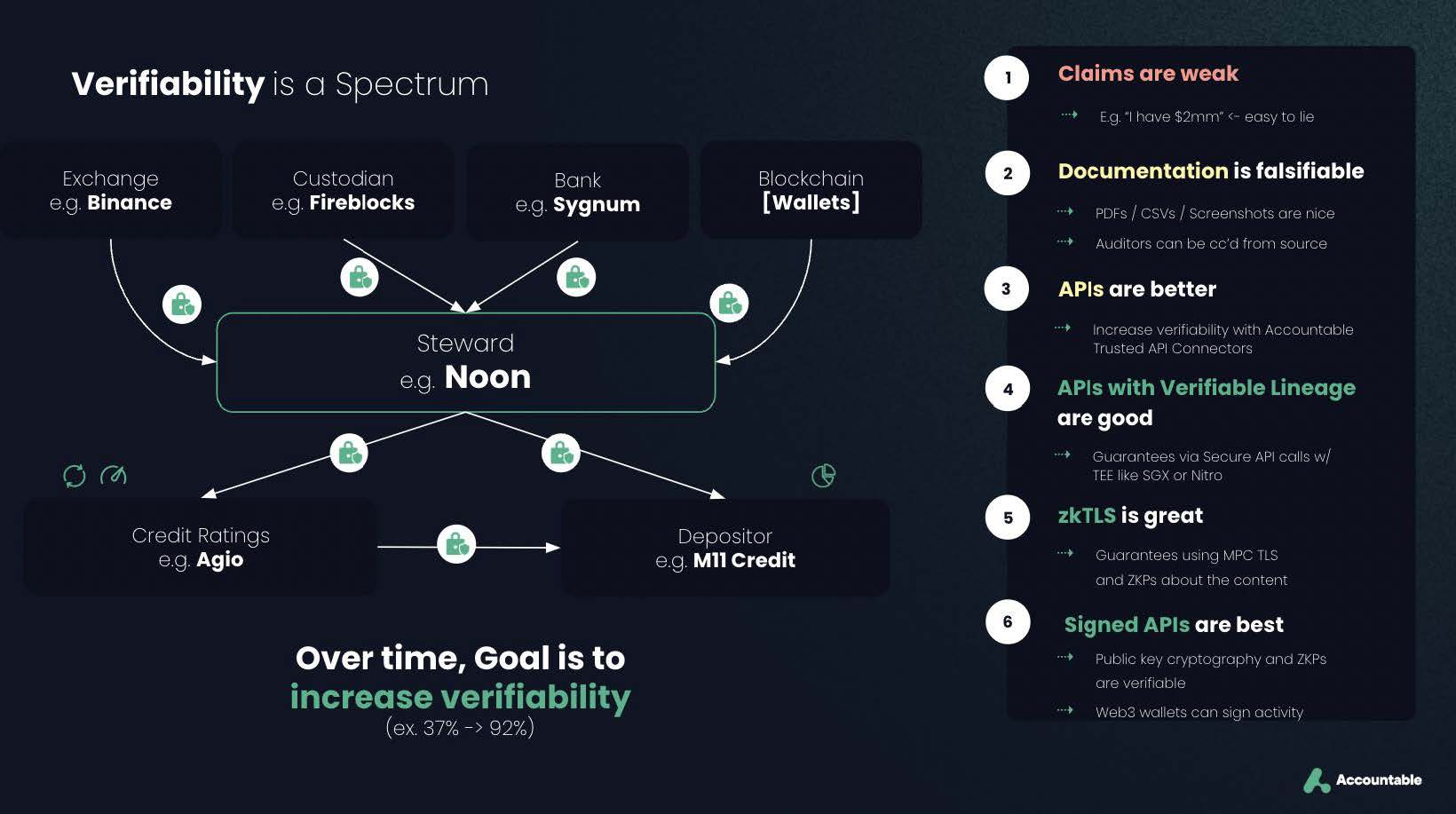
Take Credora: it fuses on-chain metrics with oracle-verified off-chain data for hybrid scores. Chainlink’s DECO pushes further, incorporating identity proofs and bank balances. Result? Lenders calibrate rates dynamically – low-risk borrowers snag 80% LTV loans, far beyond collateral crutches. Data from Mitosis University highlights how this assesses creditworthiness holistically, eyeing trillions in untapped liquidity per Onchain Foundation estimates.
Key On-Chain Risk Factors
-
Repayment History: Analyzes past loan repayments, defaults, and on-time payments using on-chain data.
-
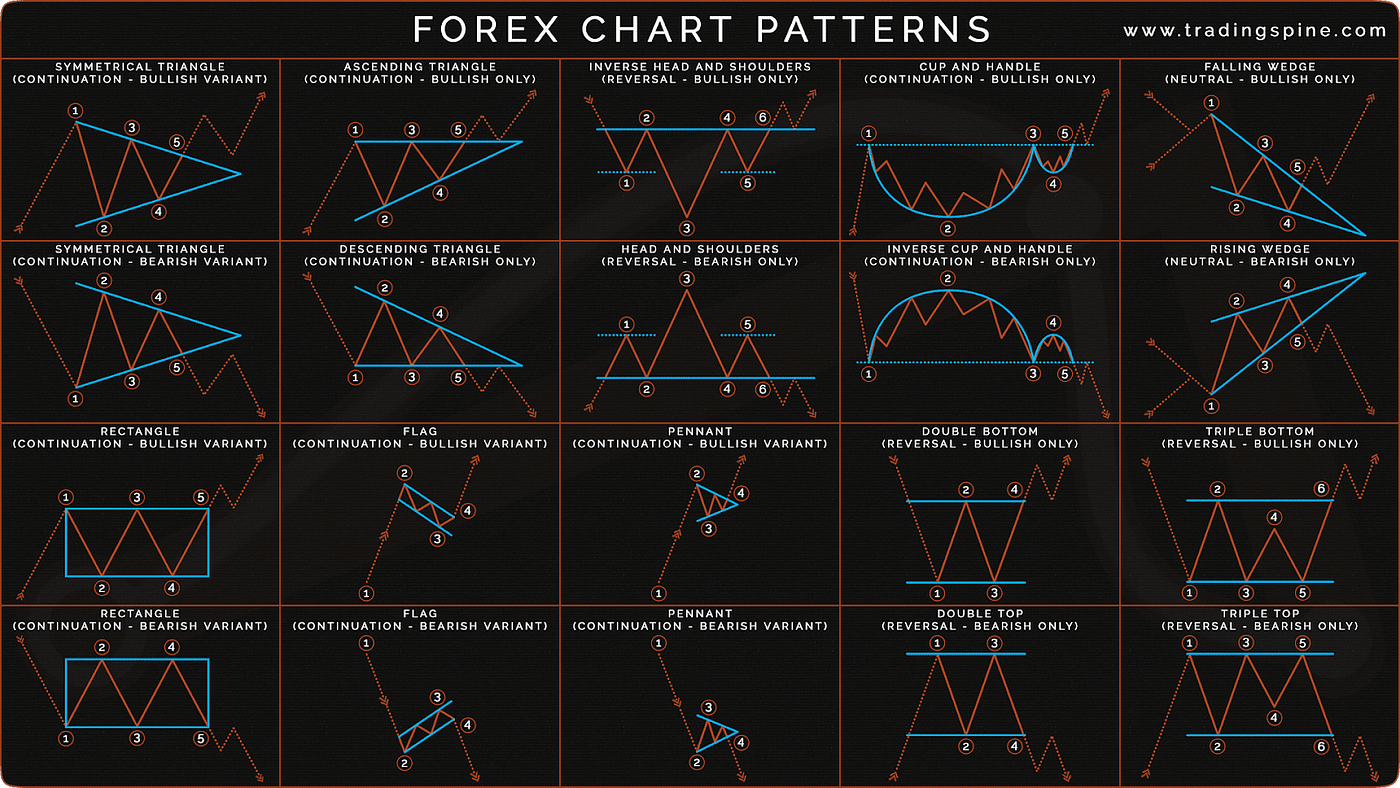
Transaction Patterns: Evaluates frequency, volume, and types of transactions for behavioral risk signals.
-

Protocol Diversity: Assesses interactions across DeFi protocols like Aave and Compound for experience breadth.
-

Liquidation Events: Tracks historical liquidations to identify volatility and risk exposure.
-

Wallet Age: Factors in address longevity, prioritizing established wallets over new ones.
Beyond Liquidation: Proactive Risk Layers
Liquidation is reactive; on-chain scores are predictive. Machine learning models scan for anomalies – erratic transfers signaling exit scams, or clustered defaults hinting at coordinated risks. zScore’s decentralized reputation system, detailed in arXiv research, proves this: without such mechanisms, DeFi stays TradFi-tethered.
In practice, Creditcoin Network verifies histories on-chain, letting lenders price based on reputation over riches. HackerNoon reports confirm borrowers with strong scores access unsecured loans, slashing collateral needs. Yet, interconnection risks loom; a default wave could ripple. Robust scores mitigate via stress-tested simulations, drawing TradFi CLO lessons without the opacity. For deeper dives, explore how on-chain risk scores enable under-collateralized lending in DeFi.
This foundation sets the stage for scaled DeFi credit scoring. Early adopters in niche communities already yield better rates, per cryptocreditscore. org insights, proving the model viable amid 2026’s projected shifts.
Smaller DeFi communities are testing these waters first, where trust networks amplify score accuracy. Platforms integrate scores to offer loans at 80-100% LTV, boosting yields without liquidation overload. Isaac Tham on Medium notes protocols like Cred, Spectra, and Credora pioneering this via payment history and liquidation data fusion.
Key Protocols Driving Under-Collateralized DeFi Lending
Spectra analyzes wallet longevity alongside repayment fidelity, assigning scores that dictate interest bands. Credora layers oracle feeds for precision, enabling institutional-grade assessments. Creditcoin embeds reputation on-chain, verifiable across chains. These tools sidestep TradFi’s black-box pitfalls, per HackerNoon, by anchoring trust in public ledgers.
Comparison of On-Chain Credit Protocols: Credora, Spectra, Cred
| Protocol | Key Metrics | Score Range | Integration Ease | Supported Chains |
|---|---|---|---|---|
| Credora | Repayment history, liquidation events, wallet age | 0-1,000 (credit limit equivalent) | High (Oracle integration) | Ethereum, Arbitrum, Optimism, Base |
| Spectra | Repayment history, liquidation events, wallet age | 0-100 | Medium (SDK and API) | Solana, Ethereum |
| Cred | Repayment history, liquidation events, wallet age | 300-850 (FICO-style) | High (API/SDK) | Ethereum, Polygon, BSC, Multi-chain |
On-chain reputation scores, as explored by it. com Domains, forecast 2026 lending rate drops through behavioral data. Transaction history reveals patterns: frequent small repayments signal reliability; erratic volumes flag volatility. Lenders adjust dynamically, pricing low for proven actors.
Navigating Risks: From Cascades to Safeguards
Under-collateralized models amplify default exposure. A single failure can cascade via leveraged positions, echoing 2022’s contagion waves. On-chain risk scores counter with multi-factor models: social graph analysis detects collusion; stress tests simulate black swans. zScore’s arXiv framework universalizes this, scoring universally to cap systemic threats.
DECO via Chainlink adds off-chain anchors like bank balances, hybridizing for robustness. Yet opacity in score computation risks centralization; decentralized oracles mitigate. Visa envisions reputation unlocking unsecured loans, but only with layered defenses. Early data shows default rates under 2% for high-score borrowers, versus 5% in collateral-only setups.
Implementation demands vigilance. Protocols must audit models quarterly, blending on-chain purity with TradFi prudence. Blockchain reputation systems, per Dr. Sohail Munir, shift paradigms by logging defaults immutably, deterring bad actors.
2026 Horizon: Trillions Unlocked
Onchain Foundation projects trillions flowing via scores supplanting collateral mandates. CoinGecko queries if undercollateralized loans define DeFi’s future; evidence mounts yes. Small communities yield proof: 30% higher participation, 15% yield uplifts. Scaling requires cross-chain standards, but momentum builds.
Integrate on-chain risk scores to transcend liquidation limits. For small DeFi groups, they democratize access, per cryptocreditscore. org’s 2025 analysis. Lenders gain precision; borrowers, opportunity. This data-backed evolution redefines DeFi undercollateralized loans, fusing transparency with efficiency.
Monitor evolving metrics at cryptocreditscore. org, where on-chain histories power actionable insights. The shift from collateral crutches to reputation engines is underway, primed for explosive growth.
About the Author