

DeFi lending has long relied on over-collateralization to manage risk, requiring borrowers to lock up assets worth 150% or more of the loan amount. This model secures lenders but stifles capital efficiency and excludes users without substantial crypto holdings. Enter under-collateralized DeFi loans, powered by on-chain repayment history and on-chain risk scores. These innovations analyze transparent blockchain data to assess creditworthiness, enabling loans with collateral as low as 0-50%. Protocols now facilitate billions in lending while reducing liquidation events and unlocking trillions in untapped value.
The Capital Inefficiency of Traditional DeFi Lending
Over-collateralized protocols like Aave and Compound dominate DeFi's $53 billion crypto-collateralized lending market as of mid-2025. Borrowers deposit volatile assets, often facing liquidation if prices dip. This setup demands excess capital; a $10,000 loan might require $15,000 in ETH collateral. Such requirements limit participation to whales and institutions, leaving retail users and emerging markets sidelined.
Market data underscores the issue. DeFi lending concentrates in mature money markets with deep liquidity, yet yields suffer from locked capital. USDC loans on Aave offer competitive APYs, but borrowers tie up funds inefficiently. The result: subdued growth and persistent over-collateralization, even as total value locked plateaus.


Leveraging On-Chain Repayment History for Trust
On-chain repayment history flips the script. Every transaction, repayment, and interaction lives immutably on blockchains like Ethereum or Solana. Protocols scan wallets for patterns: timely repayments, governance votes, stablecoin flows. This data builds a verifiable reputation score, replacing blind collateral.
Take Goldfinch and Maple Finance. They blend on-chain metrics with off-chain assessments for institutional borrowers, issuing under-collateralized loans to real-world businesses. Goldfinch's unique borrower pools have disbursed millions to emerging markets, proving defaults stay low with proper scoring. Similarly, real-world assets (RWAs) like tokenized invoices provide hybrid backing, bridging TradFi and DeFi.
Key Benefits of On-Chain Repayment History
- Capital Efficiency: Enables under-collateralized loans, reducing over-collateralization requirements (often >100%) and freeing borrower assets for productive use, as seen in protocols like Goldfinch.
- Lower Liquidation Risk: Repayment history and risk scores predict defaults more accurately than collateral alone, minimizing forced sales during market volatility.
- Broader Access: Opens lending to users without substantial crypto holdings, including emerging markets and institutional borrowers via platforms like Maple Finance.
- Transparent Scoring: On-chain data from transactions and repayments is publicly verifiable, eliminating opaque traditional credit bureaus.

- Higher Yields for Lenders: Better risk assessment via on-chain history allows competitive APYs with reduced defaults, boosting lender returns.
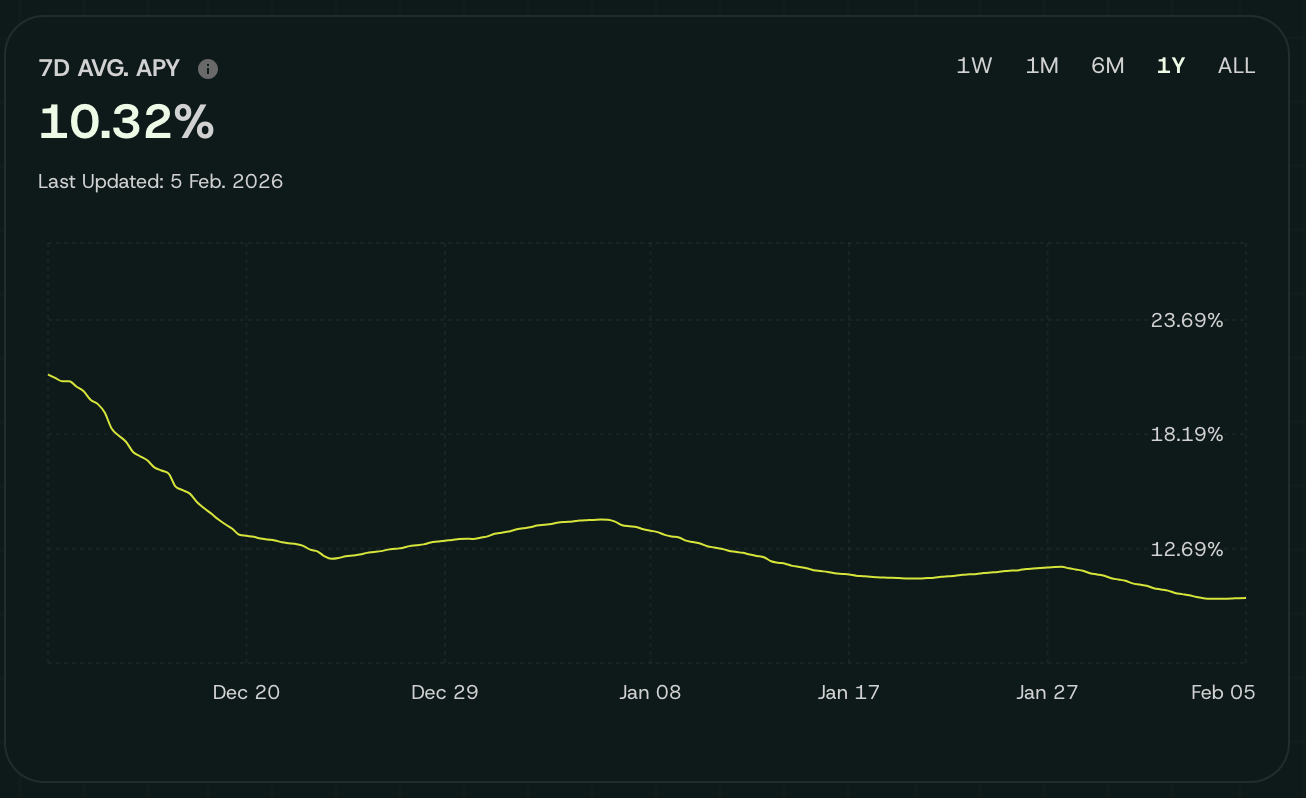
Credit protocols such as Credora, Spectra, and Teller exemplify this. They aggregate payment history and liquidation avoidance to generate scores, enabling under-collateralized lending at scale. Borrowers with strong histories access better terms; a user with 95% on-time repayments might borrow at 0% collateral via Fuero protocols.
On-Chain Risk Scores: Precision Risk Assessment
On-chain risk scores quantify these histories into actionable metrics. Machine learning models process decentralized identity (DID), transaction velocity, and network participation. Scores range from 0-1000, influencing loan-to-value ratios and interest rates.
For instance, a high score reflects low volatility exposure and consistent activity, signaling reliability. Protocols like those from ChainScore Labs integrate this with oracle data for real-time adjustments. Lenders tranche pools by risk, earning premiums on junior positions while seniors enjoy stability.
This approach mitigates classic DeFi pitfalls. No more oracle manipulations or flash loan exploits like Euler's 2023 breach; scores incorporate multi-chain data and stress tests. As Web3 credit scoring matures in 2026, it paves the way for private on-chain credit, a trillion-dollar opportunity backed by RWAs and reputation.
Yet discipline remains key. Lenders must diversify across protocols and monitor scores dynamically. Borrowers build scores through small, consistent actions, turning on-chain activity into financial leverage.
Investors eyeing under-collateralized DeFi loans should prioritize protocols with audited smart contracts and proven track records. Goldfinch's backers have seen default rates below 2%, far outperforming traditional high-yield debt funds in volatile conditions. Maple, meanwhile, caters to institutions with bespoke credit assessments, often securing loans at 80-110% collateral through rigorous due diligence.
Leading Protocols Driving Adoption
2026 sees a maturing ecosystem. Fuero offers 0% collateral loans for high-score users, leveraging DID credit verification and Teller's APY-optimized models. Spectra and Credora stand out for their hybrid scoring: on-chain repayment history fused with off-chain signals like bank data. These platforms have unlocked lending volumes rivaling Aave's stablecoin pools, with TVL growth accelerating amid RWA integrations.
Comparison of Top Under-Collateralized DeFi Protocols (2026)
| Protocol | TVL | Avg Collateral Ratio | Default Rate | Key Features |
|---|---|---|---|---|
| Goldfinch | $450M | 85% | 1.8% | On-chain repayment history, unique borrower scores, off-chain audits ✅ |
| Maple | $1.5B | 90% | 1.2% | Institutional pools, credit delegation, hybrid on/off-chain scoring ✅ |
| Fuero | $250M | 75% | 2.5% | Pure on-chain history, emerging markets focus, automated risk scores ✅ |
| Spectra | $380M | 82% | 1.9% | Advanced on-chain analytics, RWA integration, dynamic risk scoring ✅ |
Tranching adds sophistication. Junior tranches absorb first losses for higher yields, while senior ones mirror money market funds. DefiPrime notes the $53B market's shift, with two-thirds now in protocols blending collateral and credit scores. This evolution suits disciplined portfolios seeking risk-adjusted returns.
Risks and Mitigation: A Disciplined Framework
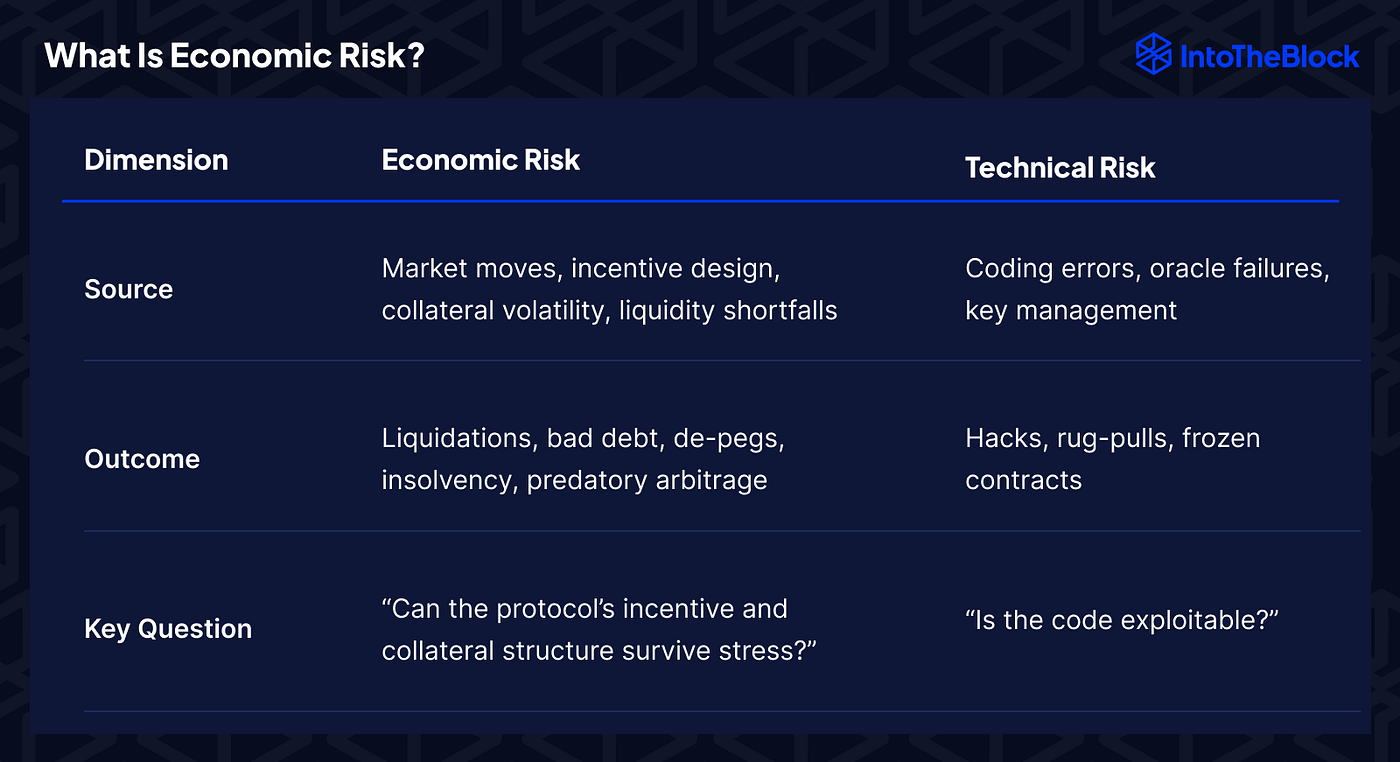
Volatility persists as DeFi's Achilles heel. On-chain risk scores help, but smart contract bugs, like Euler's $200M exploit, demand vigilance. Mitigation starts with diversification: allocate across chains, assets, and score tiers. Use tools from ChainScore Labs for real-time monitoring, stress-testing positions against 50% drawdowns.
Borrowers mitigate by building scores methodically. Start with small over-collateralized loans, graduate to under-collateralized as reputation accrues. Lenders enforce covenants via oracles, automating adjustments if scores dip. RWAs further derisk: tokenized real estate yields steady cash flows, collateralizing loans at 70-90% LTV.

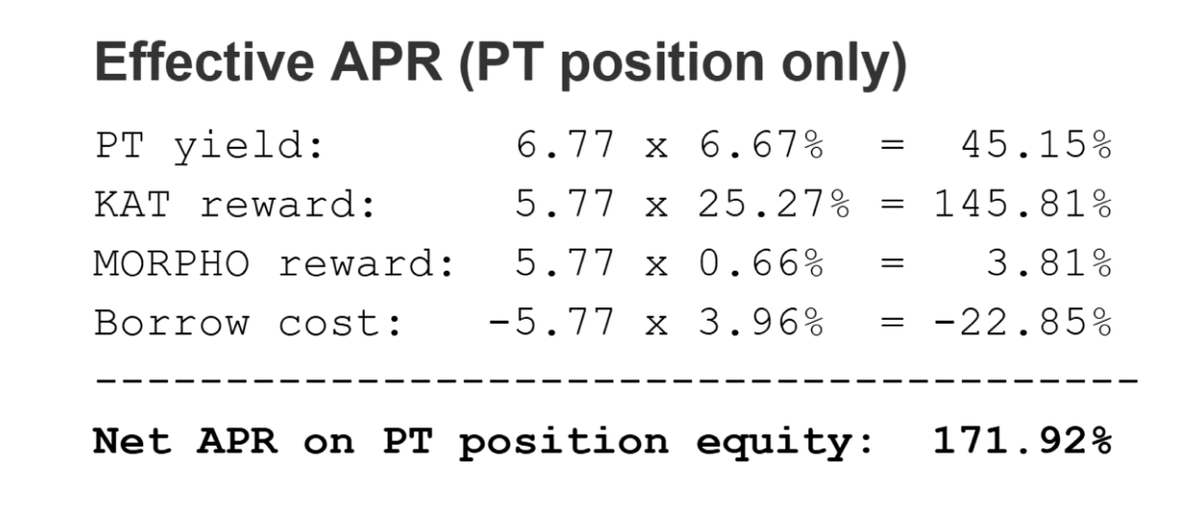
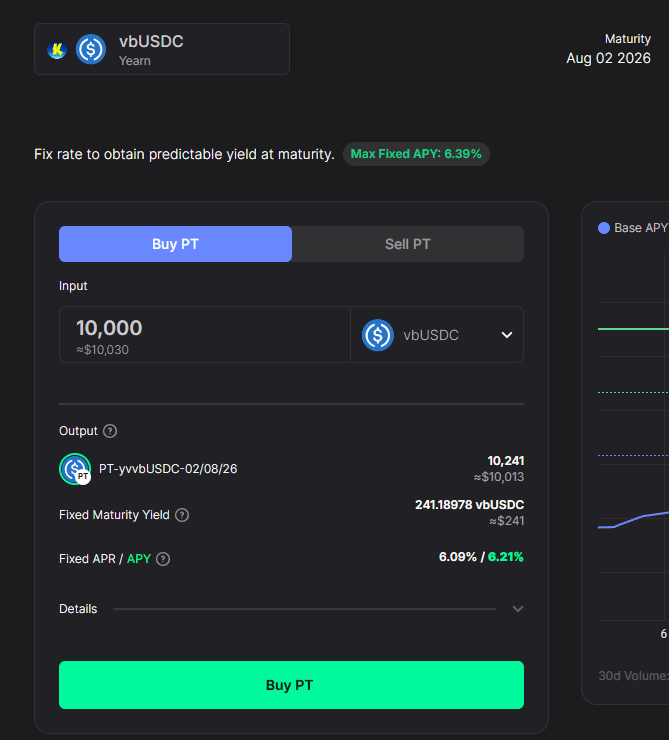
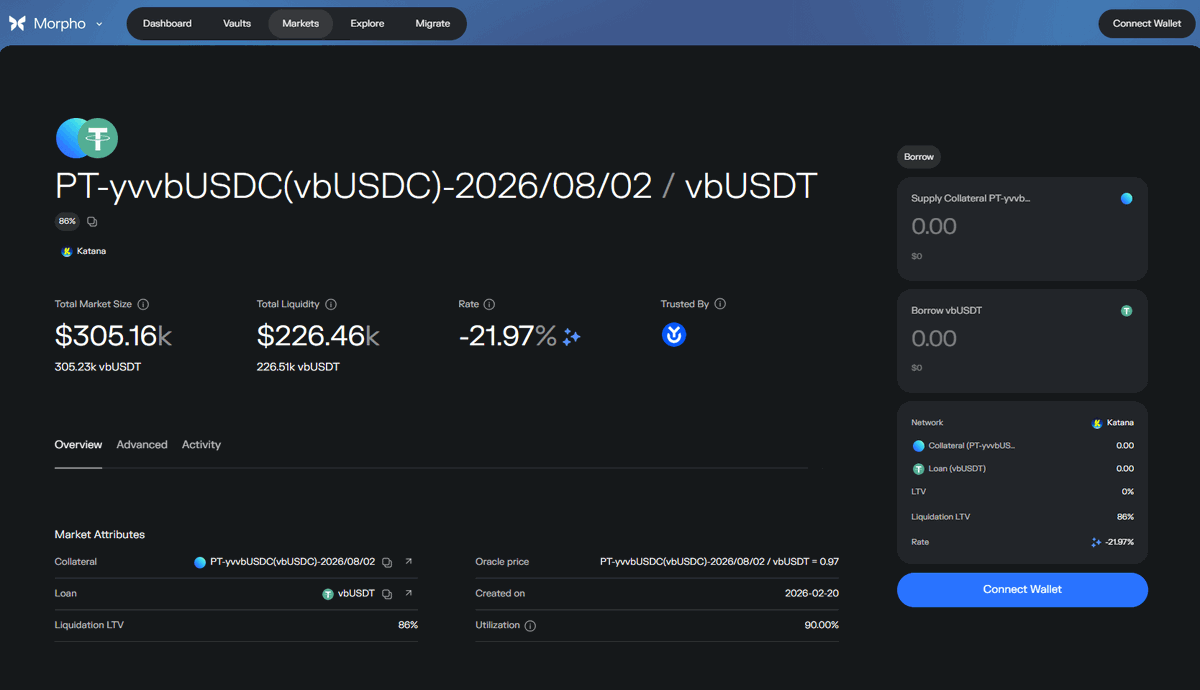
Regulatory tailwinds emerge. As on-chain credit proves resilient, jurisdictions like Singapore pioneer frameworks for DID-based lending. This clarity attracts institutions, swelling liquidity and compressing spreads.
Building and Leveraging Your On-Chain Score
Individuals craft creditworthiness through deliberate actions. Maintain stable inflows, avoid liquidations, engage in governance. A score above 800 unlocks prime rates; below 500 limits to secured loans. Protocols reward longevity: one-year veterans access 20% better terms.
For developers, integrate scores via APIs from Teller or Credora. Customize LTVs dynamically, embed in dApps for seamless UX. This composability defines DeFi's edge over TradFi silos.
Under-collateralized lending reshapes DeFi into a meritocracy of on-chain behavior. Lenders harvest superior yields from precise risk pricing; borrowers tap capital without asset sales. As scores proliferate across chains, expect trillions in dormant value mobilized, fueling protocols that prioritize transparency over blind trust. The disciplined will thrive here, methodically stacking reputation into enduring financial sovereignty.




No comments yet. Be the first to share your thoughts!