

In the evolving landscape of decentralized finance, on-chain risk scores are poised to dismantle the fortress of overcollateralization that has long defined DeFi lending. Traditional protocols demand borrowers lock up assets worth 150% or more of the loan value, a safeguard against defaults but one that ties up billions in idle capital and sidelines those without hefty crypto holdings. This model, while secure, stifles growth; imagine unlocking trillions in liquidity by trusting verifiable blockchain histories instead. Platforms like cryptocreditscore. org are at the forefront, harnessing decentralized identity and transparent on-chain repayment history to enable undercollateralized DeFi loans that prioritize efficiency and inclusivity.
The promise is clear: crypto credit scoring evaluates wallets through a lens of immutable data, from repayment patterns to liquidity provision, fostering trust without the collateral crutch. As DeFi matures, this shift addresses core DeFi lending risks like liquidation cascades while opening doors for retail and institutional players alike.
The Capital Trap of Overcollateralization
Overcollateralized lending emerged as DeFi's bedrock, with protocols like Aave and Compound enforcing strict ratios to minimize lender exposure. Borrowers deposit, say, $150 in ETH to borrow $100 in stablecoins, ensuring liquidation buffers during volatility. Yet this structure extracts a heavy toll. Capital efficiency plummets as assets sit dormant, generating opportunity costs that erode yields for lenders and accessibility for borrowers.
Consider the math: at 150-200% collateralization, DeFi's total value locked balloons inefficiently. Reports from Jump Crypto highlight how this limits financial activity to asset-rich users, excluding the underbanked crypto natives who could drive exponential adoption. Systemic risks compound too; flash crashes trigger mass liquidations, as seen in past cycles, amplifying losses across protocols.
Overcollateralized vs Undercollateralized DeFi Loans
| Aspect | Overcollateralized (e.g., 150%+ Collateral) | Undercollateralized (0-100% Collateral) |
|---|---|---|
| Collateral Ratio | 150%+ | 0-100% |
| Capital Efficiency | Low | High |
| Default Protection | High (Liquidation) | On-Chain Risk Scores |
| Accessibility | Limited | Broad |
Undercollateralized alternatives flip the script, using on-chain risk scores to underwrite loans dynamically. This not only boosts yields but aligns DeFi closer to traditional finance's nuance, where creditworthiness trumps asset pledges.
Unpacking the Mechanics of On-Chain Risk Scores
At their core, on-chain risk scores are algorithmic distillations of a wallet's blockchain footprint. They scrutinize metrics like transaction velocity, repayment timeliness, governance participation, and even cross-protocol interactions. Protocols such as Credora and Spectra aggregate this data, blending it with zero-knowledge proofs for off-chain signals without compromising privacy.
For instance, a wallet with consistent on-chain repayment history across lending platforms scores higher, unlocking lower rates or higher limits. AI models, as in 01Lend's system, enable real-time adjustments, monitoring behavior to flag rising DeFi lending risks. Binance and Huma Finance describe this as fully decentralized credit, where scores evolve with every block, rendering static collateral obsolete.
This transparency builds trustless lending: lenders pool funds into scored pools, earning premiums calibrated to borrower profiles. Early adopters report yield uplifts of 20-50% over collateralized peers, per Medium analyses by Isaac Tham.
Trailblazers in Undercollateralized DeFi
Goldfinch and Maple Finance lead with reputation-based underwriting, where unique borrower pools backed by on-chain credentials replace bulk collateral. Goldfinch's junior tranches absorb first losses, protected by senior pools and rigorous scoring, enabling real-world asset loans with minimal pledges.
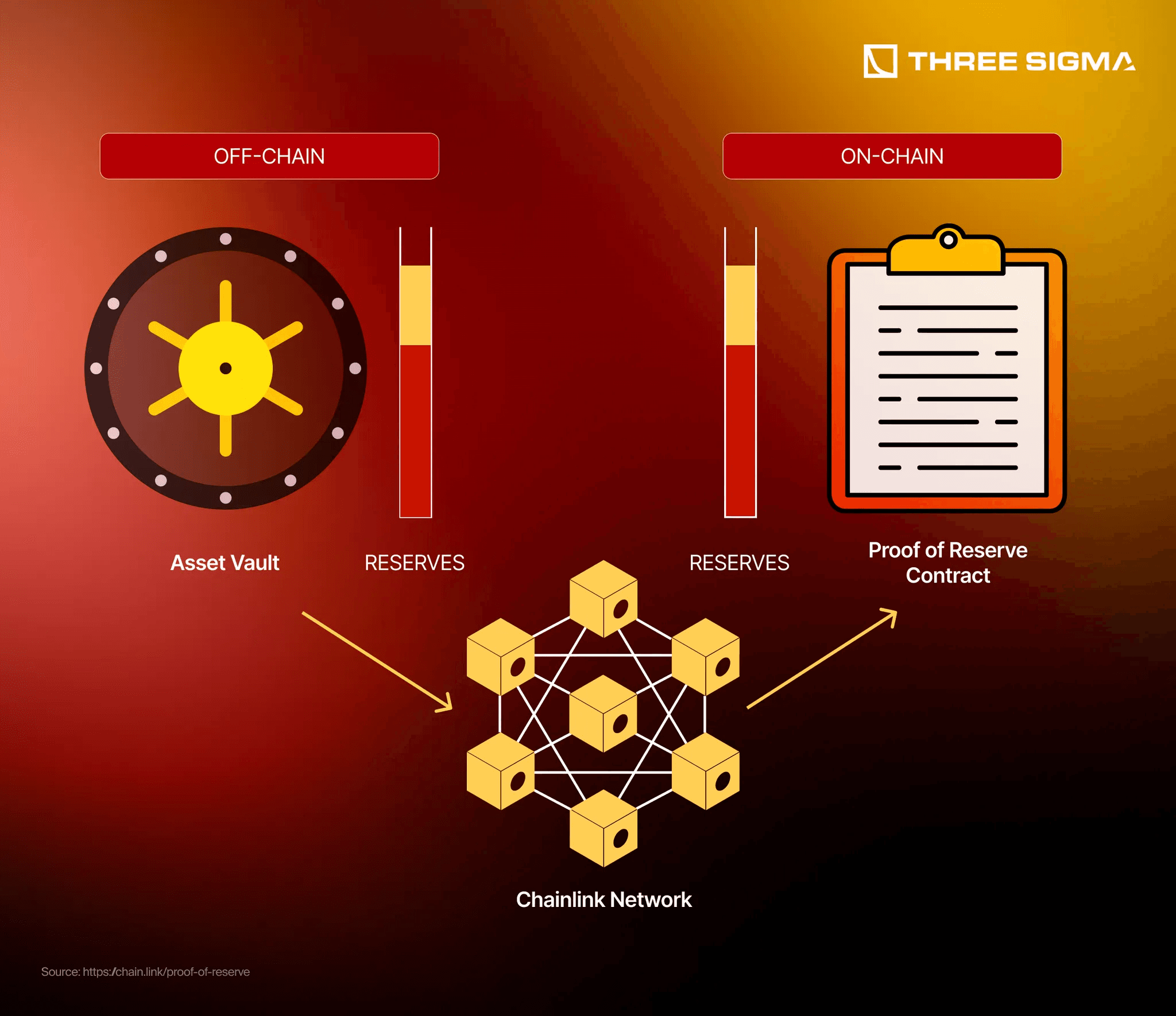
Meanwhile, 01Lend integrates zk-proofs for off-chain credit verification, dynamically scaling capacities via AI oversight. Chainlink's DECO bolsters this with secure oracles, bridging off-chain data for robust assessments. These innovations, echoed in Mitosis University and Block3 Finance insights, signal a paradigm where undercollateralized DeFi loans thrive on data, not deposits. Yet success hinges on mitigating defaults through vigilant monitoring and diversified pools. Learn more on implementation.
Smart Liquidity Research underscores the behavioral depth: scores factor liquidity provision and governance, painting holistic risk portraits. As these systems scale, they promise to infuse DeFi with the granularity of TradFi credit bureaus, minus the opacity.
Despite these strides, undercollateralized DeFi loans carry inherent vulnerabilities that protocols must confront head-on. Absent direct asset recourse, default risk looms larger, potentially rippling through interconnected networks and sparking systemic instability. Digital Finance News outlines how uncollateralized mechanisms amplify these threats, underscoring the need for layered defenses beyond simplistic scores.
Fortifying Undercollateralized Lending Against Defaults
Effective risk mitigation starts with granular on-chain risk scores that incorporate probabilistic modeling. Platforms like Credora employ machine learning to predict defaults by analyzing liquidation avoidance patterns and cross-chain exposures. Diversified lender pools, as in Goldfinch's tranche structure, allocate senior debt to conservative backers while juniors shoulder initial hits, balancing yield with prudence.
Zero-knowledge proofs, championed by 01Lend and Chainlink's DECO, inject off-chain verifiability without privacy erosion, enabling hybrid scores that capture real-world solvency. Continuous monitoring via AI flags anomalies in real time, adjusting terms dynamically to curb DeFi lending risks. Insurance wrappers from Nexus Mutual further cushion blows, creating a resilient ecosystem where trust derives from data density, not asset piles.
These frameworks transform potential pitfalls into competitive edges. Lenders achieve superior risk-adjusted returns, while borrowers access capital on merit, evidenced by Maple Finance's institutional-grade pools yielding 10-15% premiums over collateralized benchmarks.
Real-World Impact and Protocol Spotlights
Trailblazers demonstrate viability at scale. Goldfinch has originated over $100 million in undercollateralized credit to emerging markets, leveraging on-chain reputation to fund solar projects and trade finance without traditional collateral. Borrowers submit verifiable credentials, scored against on-chain repayment history, yielding default rates below 2% despite volatile conditions.
Maple Finance caters to institutions, underwriting crypto treasury loans via accredited pools vetted through Spectra's analytics. Here, crypto credit scoring dissects wallet maturity, factoring governance votes and liquidity depth for nuanced ratings. Mitosis University's deep dive reveals how such protocols blend on-chain purity with selective off-chain inputs, slashing capital lockup by 60% versus legacy models.
Leading Undercollateralized Protocols
| Protocol | Features | Collateral Needs | Key Strength |
|---|---|---|---|
| Goldfinch | Reputation pools, tranches | 0-50% | Emerging markets access |
| Maple | Institutional underwriting | Minimal | High yields |
| 01Lend | ZK proofs and AI | Dynamic | Privacy-preserving |
Jump Crypto's paradigms analysis posits that these evolutions delineate DeFi's maturation, expanding beyond speculation to productive credit. Block3 Finance adds that wallet identities, forged through persistent activity, become portable assets, interoperable across chains.
Yet adoption accelerates only with standardization. Initiatives like the Onchain Foundation advocate unified scoring oracles, potentially channeling trillions into DeFi by supplanting collateral dependency. Smart Liquidity Research envisions governance participation as a premium signal, rewarding long-term stewards with preferential rates and cementing behavioral incentives.
As oracles mature and AI refines predictions, on-chain risk scores will democratize credit, empowering wallets from retail traders to DAOs. This shift not only elevates capital efficiency but redefines DeFi as a meritocracy of verifiable conduct, where every transaction builds toward financial sovereignty. Platforms like cryptocreditscore. org stand ready to equip users with these tools, bridging today's protocols to tomorrow's liquidity floodgates. Explore advanced scoring guides.




No comments yet. Be the first to share your thoughts!