

In the evolving landscape of decentralized finance, under-collateralized DeFi loans promise to unlock trillions in idle capital, much of it trapped in overcollateralized positions that demand 150% or more in locked assets. Yet this vision hinges on robust on-chain credit scoring, powered by machine learning to evaluate borrower reliability through transparent blockchain footprints. As platforms like cryptocreditscores. org pioneer these tools, the dual hurdles of verifiable identity and Sybil resistant credit scores demand innovative solutions, blending decentralized identity with privacy-preserving proofs.


Traditional finance relies on centralized bureaus for credit histories, but DeFi’s pseudonymous nature exposes it to exploitation. Borrowers with poor repayment records can simply spin up fresh wallets, evading accountability. Recent analyses, including those from ChainScore Labs, highlight how zero-knowledge proofs could enable private underwriting, allowing users to demonstrate creditworthiness without doxxing their full histories.
Overcollateralization’s Hidden Costs to DeFi Growth
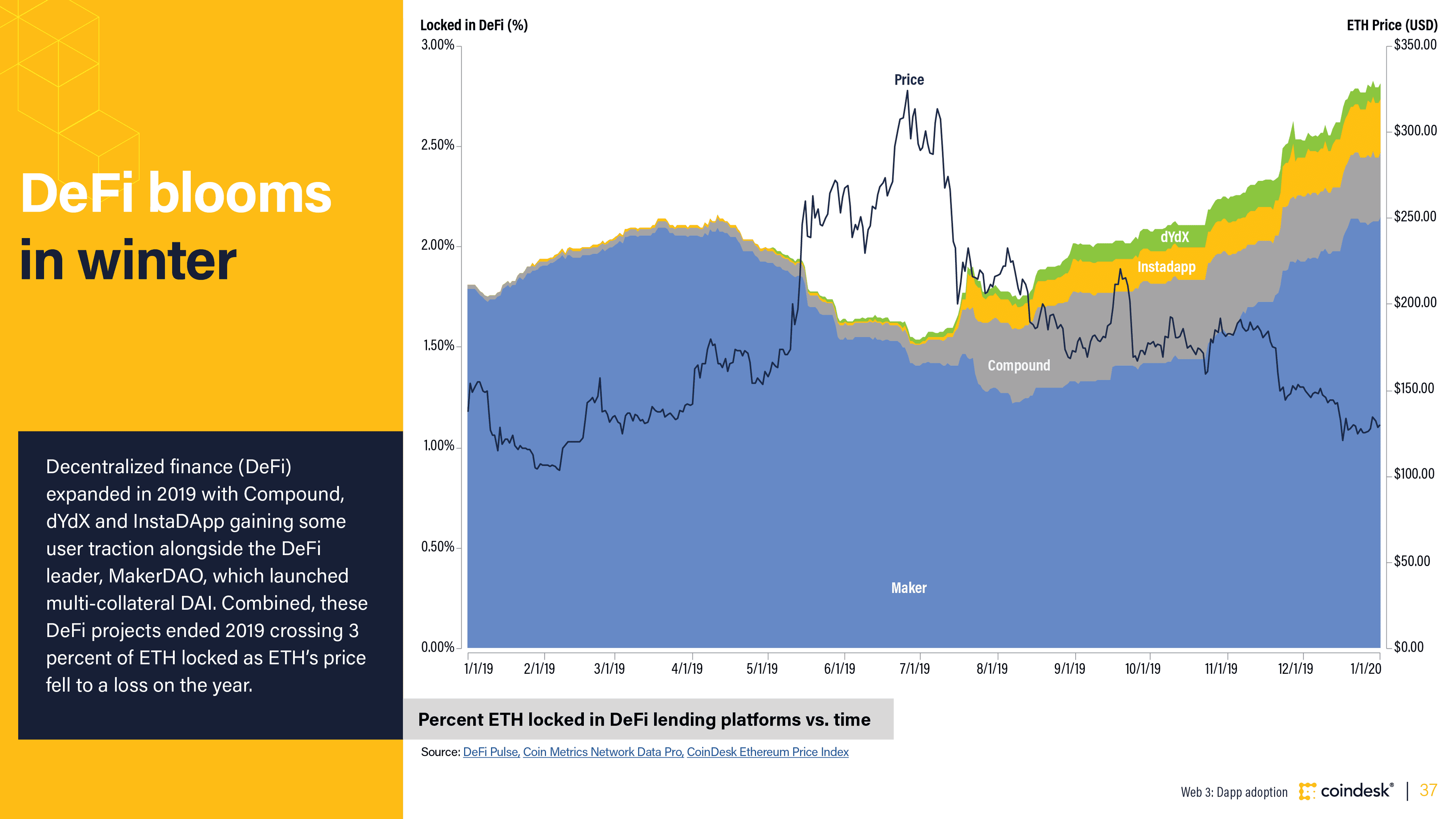
Overcollateralized lending dominates DeFi today, with protocols requiring borrowers to lock assets far exceeding loan values to buffer against volatility. This model, while secure, stifles accessibility; a user seeking a $10,000 loan might need to stake $15,000 in ETH, tying up capital that could fuel further innovation. Chainlink’s insights underscore that undercollateralized lending demands fresh risk mitigation, shifting focus from locked collateral to behavioral signals like onchain repayment history and interaction patterns.
Capital efficiency suffers most. In 2026, as DeFi total value locked surpasses previous peaks, inefficient collateral ratios contribute to liquidations during downturns, eroding trust. I argue this rigidity hampers mainstream adoption; true financial inclusion requires lending that mirrors real-world undercollateralized credit, scaled on-chain.
Key Collateral Lending Limits
-
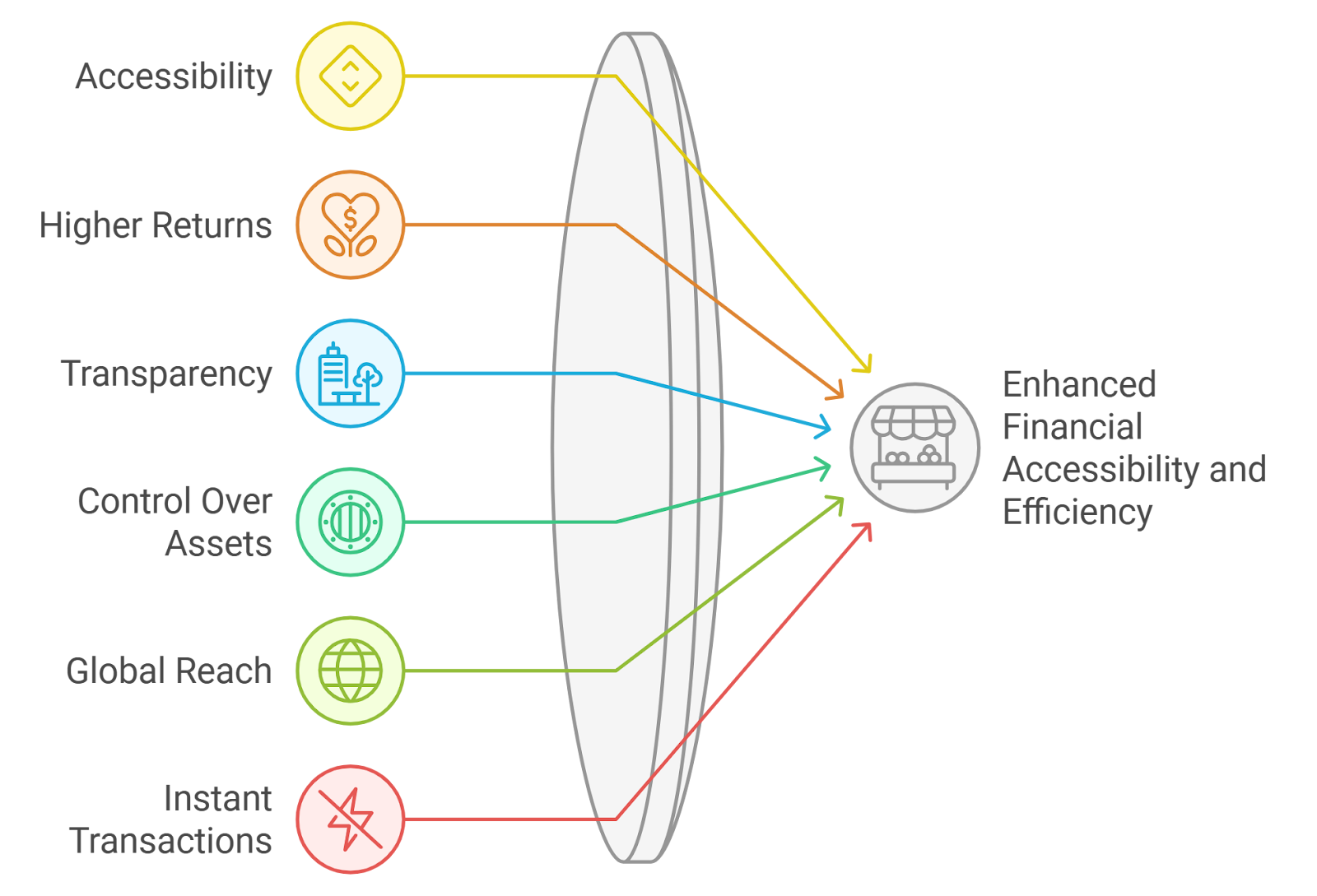
Overcollateralization Inefficiency: Borrowers must lock excess assets (often 150-500% collateral), reducing capital efficiency and limiting DeFi’s potential as seen in protocols like Aave and Compound.
-
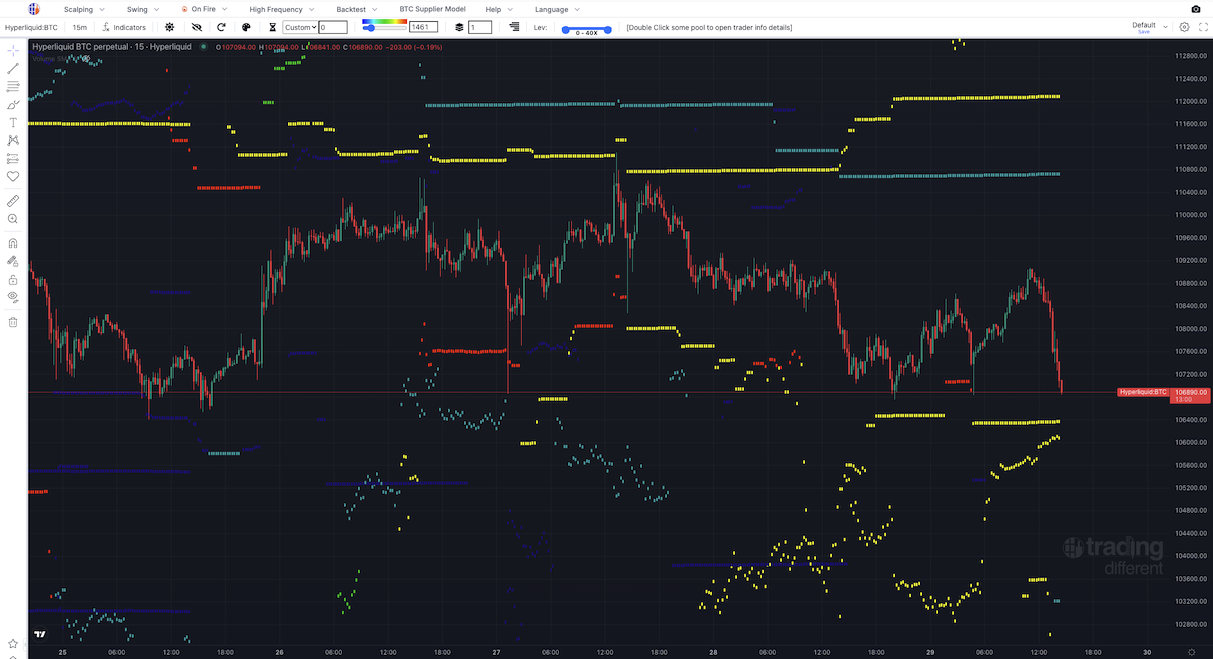
Price Volatility Vulnerability: Sharp crypto price drops can wipe out collateral value, triggering mass liquidations and systemic risks, as highlighted in Chainlink’s undercollateralized lending analysis.
-
Exclusion of Uncollateralized Users: Billions without sufficient crypto assets are barred from borrowing, perpetuating financial exclusion despite DeFi’s decentralized promise.
-

Sybil Exploits via Multi-Wallet Farming: Attackers create fake identities across wallets to farm rewards or reset histories, undermining trust as noted in Block3 Finance and Didit sources.
Sybil Attacks: The Identity Crisis Crippling Credit Models
Sybil attacks represent DeFi’s Achilles’ heel, where bad actors proliferate fake identities to game governance votes, drain airdrops, or launder poor credit. Sources like Didit emphasize Web3 KYC’s role in fortifying protocols, while Sasha Shilina’s Medium piece details biometric integrations to curb fraud-induced losses. In credit contexts, a defaulter resets via new wallets, undermining ML DeFi risk models trained on transaction graphs.
Consider the mechanics: on-chain data reveals wallet age, transaction volume, and peer interactions, but without linkage to real-world identity, scores become manipulable. Block3 Finance notes users creating multiples to erase defaults, a flaw plaguing early reputation systems. My view? Decentralized identity lending via DID standards offers a path forward, anchoring scores to verifiable uniqueness without central gatekeepers.
Machine Learning’s Precision in On-Chain Risk Assessment
Enter ML DeFi risk models, which ingest vast on-chain datasets-transaction histories, smart contract interactions, and cross-protocol behaviors-to generate dynamic scores. Unlike static collateral, these models predict default probability with nuance, factoring in repayment velocity and network centrality. An arXiv survey on AI-powered fraud detection categorizes DeFi risks across project lifecycles, informing hybrid algorithms that blend graph neural networks with time-series forecasting.
Privacy-aware frameworks, as proposed in blockchain-enabled lending papers, leverage explainable AI to demystify scores. For instance, a borrower’s consistent micro-repayments across protocols might yield a 750-equivalent score, unlocking 80% LTV loans. ChainAware. ai’s reputation comparisons advocate protocol-side gates, prioritizing fraud-filtered metrics. Thoughtfully integrated, these tools foster sustainable lending ecosystems.
Yet integration challenges persist. Off-chain signals, like oracle-fed KYC, must dovetail with on-chain purity to avoid oracle risks. Scientific journals highlight hybrid ML for credit allocation, collecting post-loan data on blockchain KYC for iterative improvement. This iterative refinement positions onchain repayment history as the bedrock of trustless credit.
Building on this foundation, zero-knowledge proofs emerge as a cornerstone for sybil resistant credit scores. By enabling borrowers to prove attributes like repayment history or score thresholds without exposing underlying data, ZKPs dismantle the privacy paradox in DeFi. ChainScore Labs articulates this vividly: ZK-based scoring circumvents overcollateralization by verifying eligibility on-chain, all while preserving pseudonymity. Imagine a lender querying, “Does this wallet hold a score above 700?” The borrower responds affirmatively via proof, sans transaction details.
Decentralized Identity: Anchoring Scores to Reality
Decentralized identity lending via DID protocols takes this further, linking on-chain personas to off-chain verifiables without custodial risks. Web3 KYC solutions from Didit integrate biometrics and attestations, creating unique identifiers resistant to multiplication. This combats Sybil exploits head-on; a single human can’t spawn infinite wallets when DID mandates real-world proofs. ResearchGate’s blockchain KYC model extends this post-loan, aggregating risk data for model feedback loops that sharpen ML DeFi risk models over time.
I see DID not as a regulatory concession, but as DeFi’s maturation tool. It empowers users with self-sovereign identity, where scores accrue portably across protocols. Pair this with graph neural networks analyzing wallet clusters, and manipulation plummets; anomalous multiplicity flags fraud preemptively.
Comparison of Sybil Resistance Methods: Web3 KYC vs ZK-Proofs vs DID
| Method | Privacy Level | Implementation Cost | Effectiveness Against Multi-Wallet Attacks |
|---|---|---|---|
| Web3 KYC | Low 🔓 (reveals personal data) | Medium 💰 (requires verification providers) | High ✅ (ties to real-world identity) |
| ZK-Proofs | High 🔒 (zero-knowledge) | High 💸 (complex cryptography) | Medium ⚠️ (needs additional uniqueness proofs) |
| DID | High 🔒 (self-sovereign) | Low 📉 (standards-based) | High ✅ (unique decentralized identifiers) |
Real-World ML Models in Action
Platforms are deploying these hybrids today. Nomis and ChainAware. ai vie in Web3 reputation, with the latter touted for protocol-side fraud gating. Block3 Finance dissects how on-chain identity curtails wallet farming, while arXiv taxonomies guide AI fraud detection across DeFi stages – from inception scams to maturity defaults. A privacy-aware AI framework from scientific journals employs explainable models, outputting scores like “low risk: 92% repayment probability based on 500 and txns. “
Consider a borrower with diverse onchain repayment history: timely USDC yields on Aave, stablecoin bridges via Layer 2s, governance participation sans exploits. ML ingests this, weights recency and volume, yielding nuanced on-chain credit scoring. NIH insights on digital asset risks reinforce hybrid ML’s role, echoing commercial credit hybrids by Machado and Karray.
DeFi TVL, On-Chain Credit Score Trends, and ML Predictions for Under-Collateralized Loan Growth
| Period | DeFi TVL (USD Bn) | Avg. On-Chain Credit Score (out of 1000) | ML-Predicted Under-Coll. Loan Growth (%) | |
|---|---|---|---|---|
| Q4 2023 | $40B | 550 | 5 | 📈 |
| Q4 2024 | $90B | 680 | 15 | 📈📈 |
| Q4 2025 | $150B | 760 | 30 | 📈📈📈 |
| Q1 2026 (Proj) | $220B | 820 | 45 | 🚀🔮 |
Challenges linger, though. Oracle dependencies for off-chain data invite manipulation, and model drift demands constant retraining on fresh blockchain data. Yet, as cryptocreditscores. org demonstrates, transparent scoring dashboards bridge this, letting users audit and appeal ML decisions.
Path Forward for Under-Collateralized DeFi Loans
Envision 2027: under-collateralized DeFi loans at 100% LTV become routine, backed by sybil-proof scores fusing DID, ZK, and ML. Lenders deploy risk-adjusted rates – 5% for prime wallets, 15% for emerging ones – mirroring CeFi dynamism on-chain. This unlocks idle capital for yield farmers, developers, even tokenized RWAs.
Protocol operators should prioritize composable scores, integrable via oracles like Chainlink. Users, build your onchain repayment history deliberately: diversify interactions, honor debts, engage authentically. The ecosystem thrives when trust compounds immutably.
Ultimately, machine learning on-chain credit scores redefine DeFi’s risk paradigm, from collateral crutches to behavioral bedrock. By solving identity and Sybil risks, we pave a scalable path to inclusive finance, where worth proves itself through actions, not assets alone.
About the Author