

In the evolving landscape of decentralized finance, under-collateralized crypto lending stands out as a bold step toward financial inclusivity, particularly for real businesses seeking capital without locking up excessive assets. Platforms leveraging on-chain risk scores analyze blockchain transaction histories and decentralized identities to gauge borrower reliability, enabling P2P crypto lending backed by real businesses. This approach sidesteps the rigid over-collateralization that has long gated DeFi from broader adoption, fostering trust through transparent, immutable data.
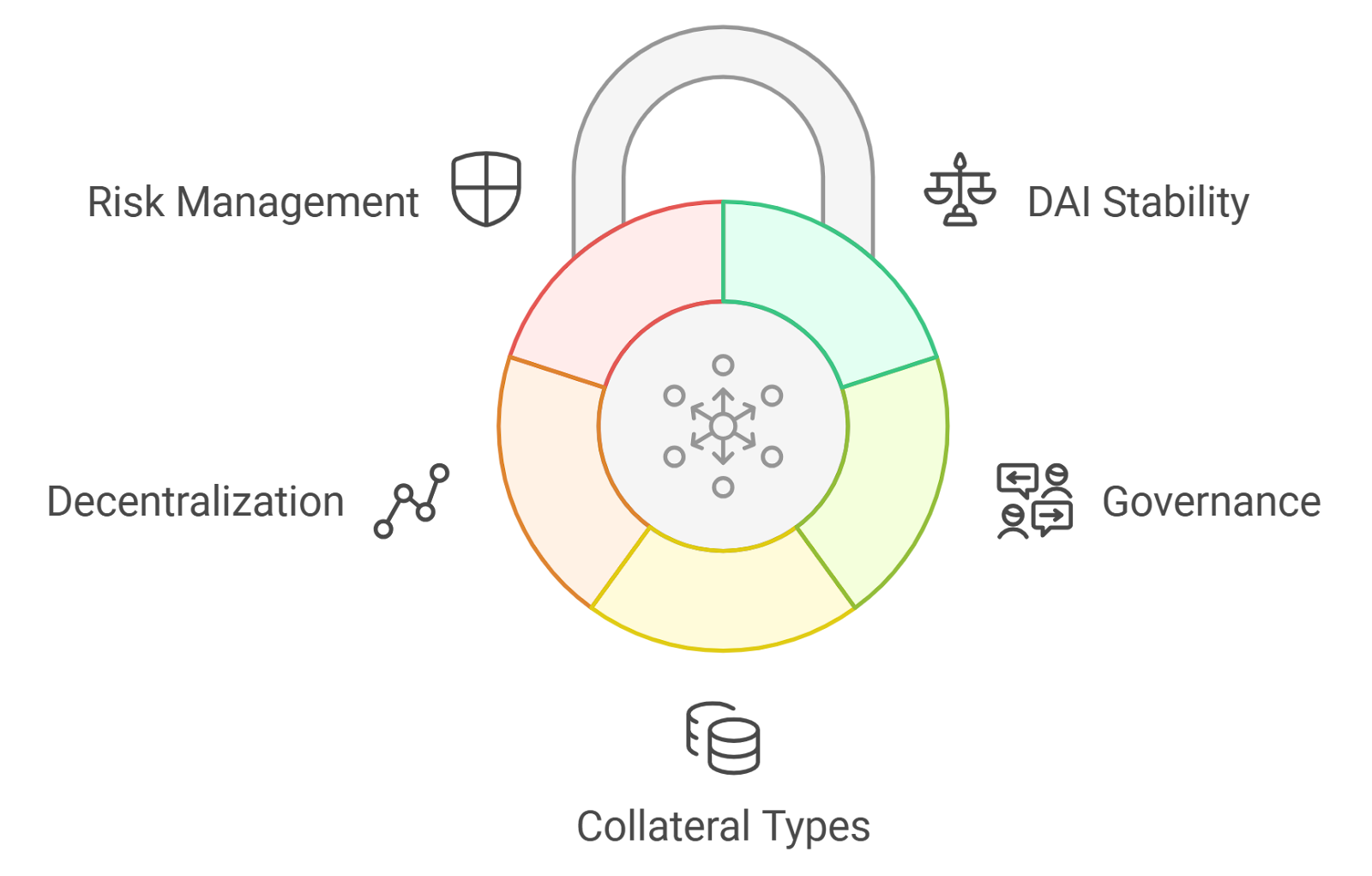
Traditional DeFi lending protocols demand borrowers deposit crypto worth 150% or more of the loan value, a safeguard against volatility but a barrier for enterprises with illiquid real-world assets. As noted in recent analyses, this model excludes many viable borrowers, pushing innovators toward DeFi credit scoring powered by on-chain repayment history lending. Platforms like 8lends are pioneering P2P crowd-lending anchored to real-world collateral, blending blockchain efficiency with tangible backing to mitigate risks.
The Barriers of Over-Collateralization and the Path Forward
Over-collateralized loans dominate DeFi because they automate liquidations via smart contracts, minimizing lender exposure. Yet, this efficiency comes at a cost: borrowers must front substantial capital upfront, often tying up funds that could fuel growth. A Yeshiva University study highlights how this practice limits DeFi access to those already holding significant crypto holdings, perpetuating inequality. In contrast, under-collateralized models, supported by on-chain risk scores, evaluate patterns like repayment consistency, wallet age, and interaction with protocols. I view this as a disciplined evolution; it demands rigorous data analytics but unlocks capital for real businesses in emerging markets.
Consider 8lends' vision, articulated by Dimitri Timoshkin: building Web3 P2P lending for greater inclusivity. By integrating real-world asset-backed collateral with on-chain transparency, such platforms reduce default risks without overkill requirements. This isn't mere speculation; Goldfinch and Credix have deployed over $100 million in loans using AI-driven models fused with blockchain data, proving the model's viability.
[tweet: Dimitri Timoshkin on building 8lends P2P lending platform for Web3 inclusivity]Key Innovations in On-Chain Credit Assessment
At the core of this transformation are specialized tools that turn raw blockchain data into actionable DeFi credit scoring. Credora stands as a benchmark, computing risk-adjusted returns for lenders while linking on-chain scores to off-chain legal recourse. This hybrid assurance appeals to institutional players wary of pure crypto volatility. Meanwhile, zkCredit employs zero-knowledge proofs to port traditional credit histories onto the blockchain privately, bridging TradFi and DeFi seamlessly. ZKredit's launch on BNB Chain exemplifies this, enabling under-collateralized loans without doxxing personal data.
Web3 Credit Scoring Tools
- Credora: Calculates risk-adjusted returns for DeFi credit markets, improving liquidity and transparency. Links on-chain scores with off-chain agreements for legal recourse.
- zkCredit: Uses zero-knowledge proofs to verify credit scores on-chain while preserving privacy. Transfers traditional credit history to blockchain for DeFi lending.
- SoFiLend: Assesses creditworthiness via online and on-chain social profiles as reputational collateral. Enables escrow-locked funds until repayment.
SoFiLend takes a creative angle, treating online and on-chain social profiles as collateral. Defaults trigger reputational hits and escrow locks, incentivizing compliance through social proof. These tools collectively address counterparty risks inherent in under-collateralized crypto lending, where traditional oracles fall short.
Real-World Assets as the Backbone for P2P Lending
Tokenization of real-world assets (RWAs) amplifies the potential of P2P crypto lending backed by real businesses. Institutions now tokenize debt instruments, invoices, and property, providing compliant collateral traceable on-chain. This trend, as outlined in Galaxy's on-chain yield report, boosts capital efficiency, drawing trillions potentially into DeFi via credible scores. Protocols like those from Chainlink underscore under-collateralized lending's appeal: loans without excess deposits, assessed via comprehensive risk profiles.
Yet, discipline is paramount. While over $100 million in loans signal success, lenders must scrutinize score methodologies. On-chain data excels in transparency but requires AI to weigh off-chain factors like business revenue. Platforms succeeding here, such as 8lends with its crowd-lending focus, balance innovation with robust audits. As an investment strategist, I advocate starting small: allocate 5-10% of portfolios to these opportunities, monitoring on-chain repayment history lending metrics closely for early signals of stress.
Smart contract vulnerabilities remain a persistent threat, as highlighted by the Crypto Credit Association. Exploits in lending protocols can cascade quickly in under-collateralized setups, where buffers are thinner. Lenders must prioritize audited code and insurance wrappers, while borrowers benefit from transparent on-chain repayment history lending to build scores over time.
Risk Management Strategies for Sustainable Lending
To thrive in this space, adopt a layered defense. First, diversify across borrowers with varying risk tiers, using on-chain risk scores to cap exposure at 2-5% per loan. Second, incorporate off-chain covenants, like those Credora enables, for legal teeth in defaults. Third, monitor leading indicators: sudden wallet outflows or stalled repayments signal distress early. In my experience across crypto and TradFi, this disciplined triage yields superior risk-adjusted returns, often outperforming over-collateralized yields by 2-4% after adjustments.
Key Risk Factors and Mitigations in Under-Collateralized P2P Crypto Lending
| Risk Factor | Description | Mitigations | Examples |
|---|---|---|---|
| Credit Risk | Increased exposure due to loans without over-collateralization, relying on borrower creditworthiness | Diversified on-chain risk scoring, AI-driven models, privacy-preserving verification (e.g., ZK proofs) | Goldfinch ($100M+ loans), Credix, Credora, zkCredit |
| Smart Contract Exploits | Vulnerabilities in DeFi protocols leading to fund losses | Regular audits, insurance coverage, robust security measures | Goldfinch/Credix protocols, general DeFi standards (e.g., Chainlink oracles) |
| Counterparty Default | Borrower or lender failure to repay or fulfill obligations | Legal recourse via off-chain agreements, reputational collateral, escrow mechanisms | Credix (off-chain links), SoFiLend (social profiles), 8lends (asset-backed) |
Real businesses, from emerging market exporters to U. S. startups, gain most here. Tokenized invoices serve as lightweight collateral, paired with DeFi credit scoring for quick approvals. Platforms like 8lends facilitate this P2P matching, where lenders fund vetted deals backed by revenue streams, not just crypto dumps.
Implementing On-Chain Scores in Your Workflow
Getting started demands method. Lenders: query APIs from Credora or zkCredit for borrower dossiers, then deploy via multisig wallets for added control. Borrowers: cultivate your profile by consistent DeFi interactions, starting with small, on-time repayments to bootstrap scores. For businesses, integrate DID for seamless verification, unlocking lines up to 80% of verified revenue without pledging assets.
This ecosystem's momentum is undeniable. With RWAs flooding on-chain, protocols now handle diverse debts, from trade finance to royalties. Galaxy's yield report projects trillions in inflows as scores mature, but only for those who master the data. I've allocated modestly to Goldfinch tranches, watching scores evolve; early results show defaults under 3%, a stark improvement over unrated peers.
Yet innovation invites scrutiny. Social collateral via SoFiLend works for influencers but falters for B2B firms; stick to hybrid models blending analytics and assets. As CFA candidate focused on DeFi, I stress backtesting scores against historical defaults, ensuring they predict beyond chain noise.
Under-collateralized lending allows borrowers to access cryptocurrency loans without depositing assets that exceed the loan value. - Chainlink
Platforms like 8lends embody this shift, prioritizing inclusivity through crowd-lending mechanics. Lenders pick deals based on business plans and scores, fostering direct ties absent in CeFi. This human element, quantified on-chain, rebuilds trust eroded by faceless protocols.
[tweet: Expert view on on-chain credit scores revolutionizing DeFi lending for real-world businesses]Ultimately, on-chain risk scores empower P2P crypto lending backed by real businesses, channeling capital where it's needed most. By demanding discipline from all parties, this model scales DeFi beyond speculation, toward a resilient financial backbone. Those who integrate it thoughtfully stand to capture outsized gains in the next cycle.




No comments yet. Be the first to share your thoughts!