
Get your DeFi credit score right
Before you borrow or lend in decentralized markets, you need a clear picture of your on-chain reputation. Traditional credit bureaus do not track wallet activity, so your DeFi credit score relies entirely on your transaction history. If you skip the setup phase, you risk entering loans with a thin file that limits your borrowing power or invites higher interest rates.
Start by choosing a credit reporting protocol that matches your activity. Platforms like ChainAware or Cred align with different DeFi ecosystems, so verify which networks the protocol supports. Ensure your primary wallet is connected and that you have verified your identity if the platform requires it. A verified identity often unlocks higher score ceilings by reducing anonymity-related risk.
Next, review your on-chain history for gaps. Lenders look for consistent repayment behavior and active engagement with lending pools. If your wallet shows only sporadic transactions, your score will remain low regardless of your bank balance. Consider starting with small, manageable positions to build a track record of on-time repayments before scaling up.
Finally, understand the tradeoffs. Building a DeFi credit score takes time and requires disciplined management of your positions. Unlike traditional credit, there is no customer service hotline to dispute an error instantly. Once your data is on-chain, it is permanent. Plan your borrowing strategy around this reality to avoid accidental defaults that could damage your score for years.
How to manage DeFi lending without hurting your credit score
DeFi lending protocols don't report directly to Equifax or TransUnion, but they do generate on-chain data that centralized credit bureaus now use to build your financial profile. If you treat decentralized finance like a cash app with no consequences, you risk damaging the credit scores that traditional lenders rely on. The good news is that you can maintain a healthy score by treating your wallet activity with the same discipline as a bank loan.
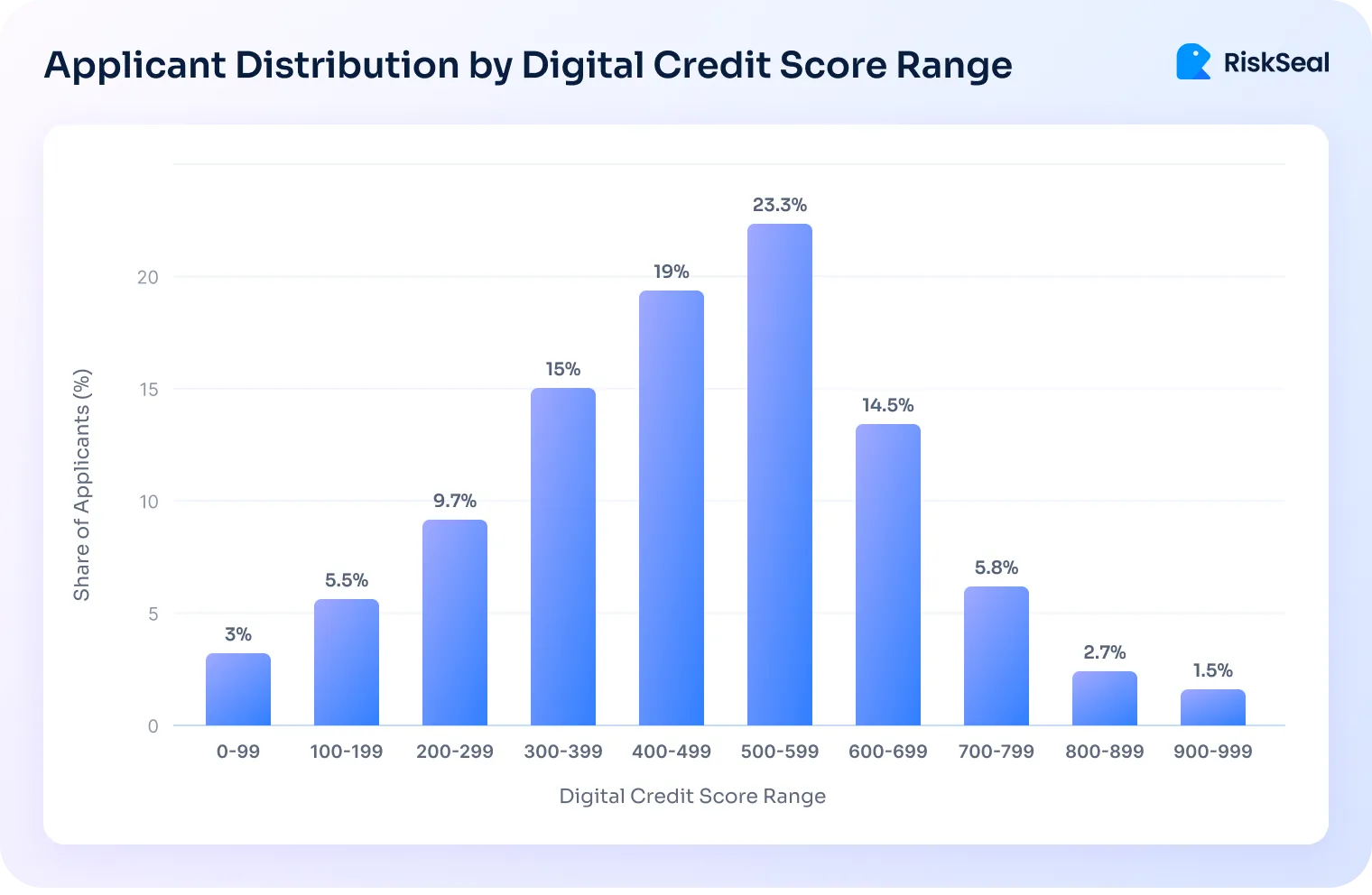
Before you deposit a single dollar, connect your wallet to a recognized DeFi credit scoring platform like ChainAware or Cred. These services act as the bridge between your on-chain history and traditional credit reporting. Without this connection, your borrowing activity remains invisible to the major bureaus. Configure your privacy settings to allow data sharing only with the lenders you intend to use. This ensures that your on-chain behavior translates into a tangible credit score rather than anonymous transaction history.
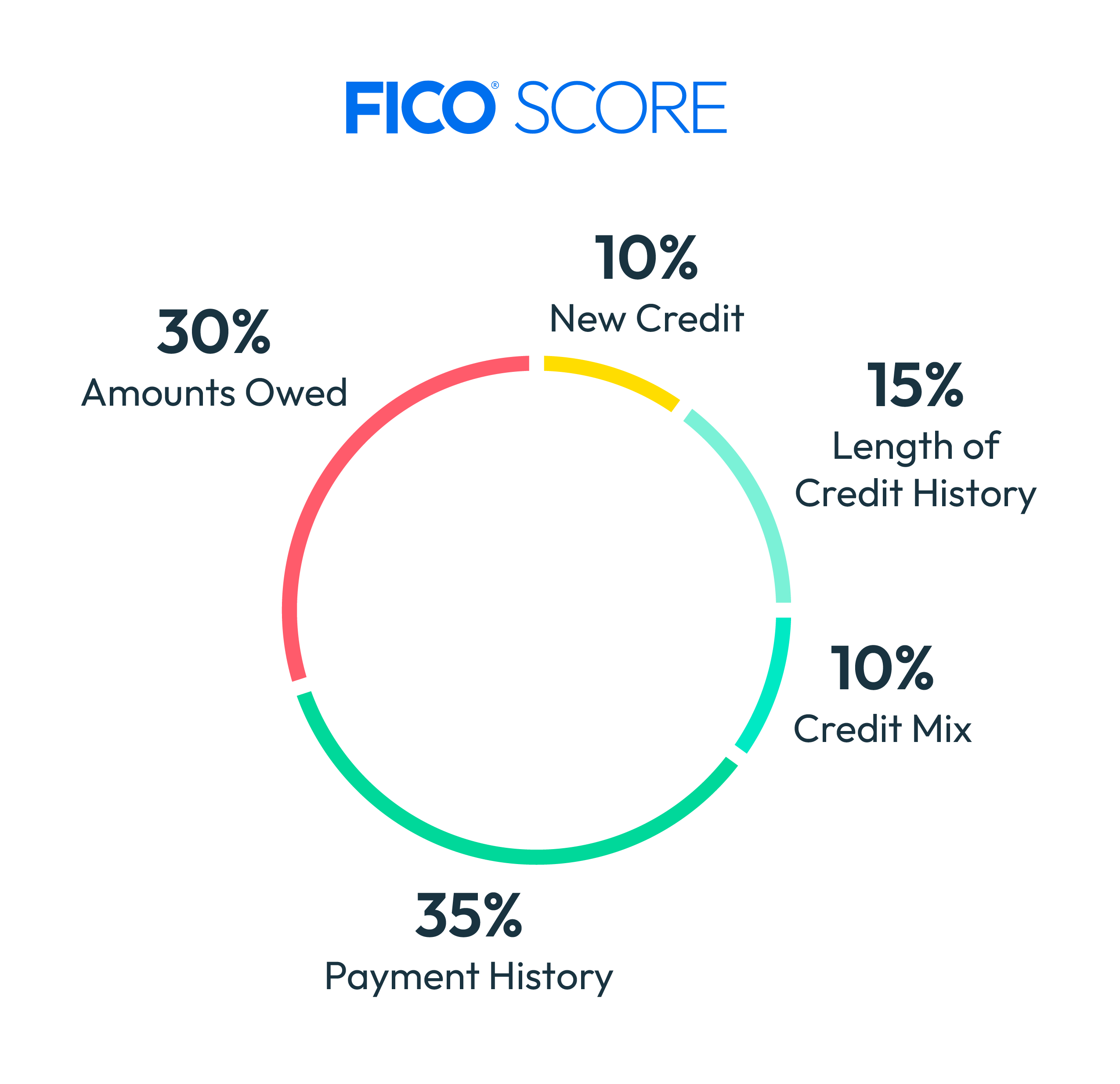
DeFi platforms use overcollateralization to mitigate risk, meaning you must lock up more value than you borrow. To protect your credit score, keep your Loan-to-Value ratio below 75%. If your LTV exceeds this threshold, the protocol may liquidate your collateral during market dips. A liquidation event is recorded as a default on your credit profile, which can drop your score by dozens of points in minutes. Always leave a buffer to absorb volatility without triggering a forced sale of your assets.
Unlike traditional loans with fixed monthly statements, DeFi lending often requires proactive management or constant collateral monitoring. Set up automated alerts for your wallet balance and the health factor of your positions. Many platforms offer push notifications when your collateral ratio approaches unsafe levels. These alerts give you time to deposit more assets or repay a portion of the loan before liquidation occurs. Ignoring these signals is the fastest way to trigger a negative credit event.
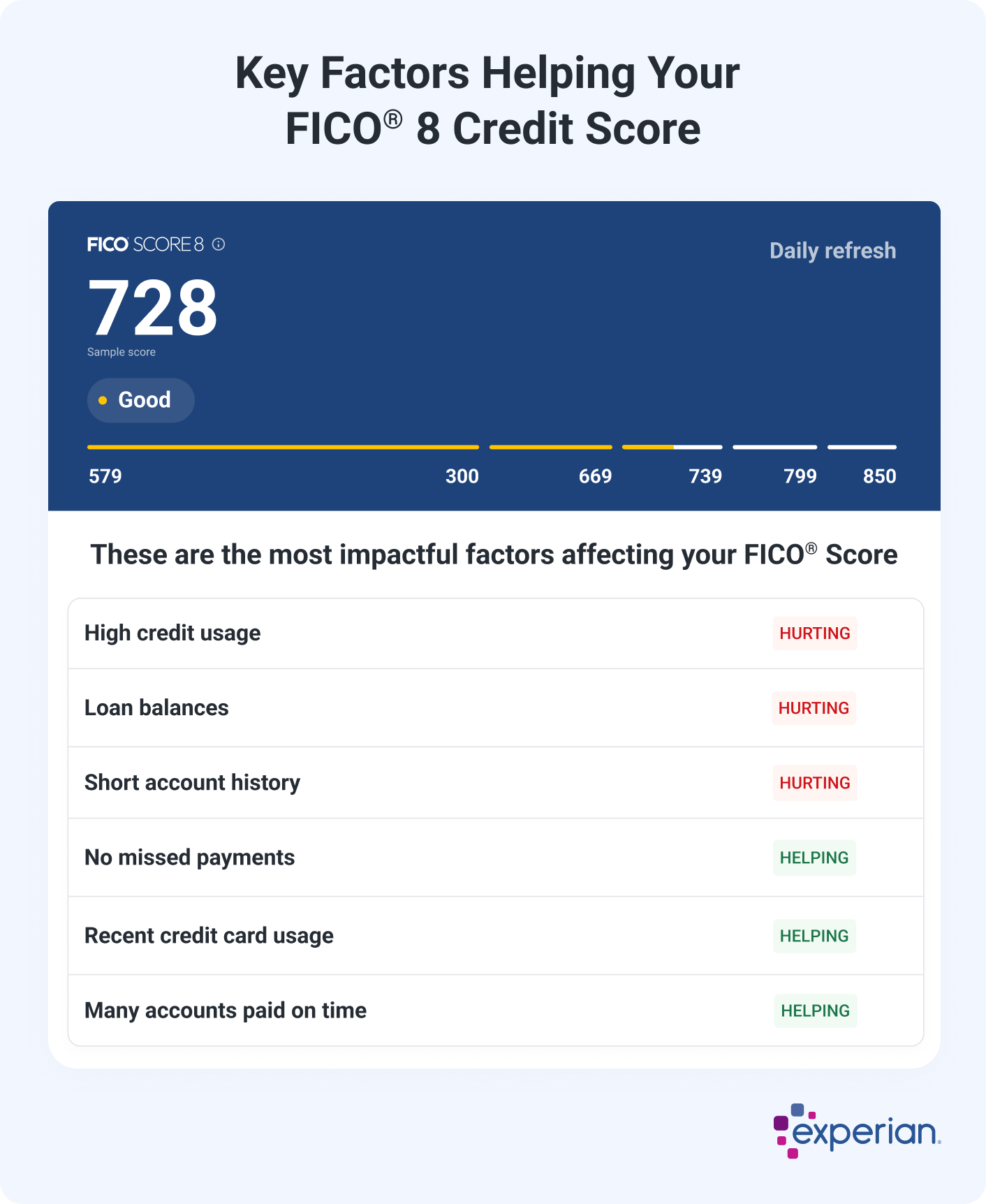
Your DeFi credit score is dynamic and updates with every transaction. Check your report weekly through your chosen credit scoring platform to ensure accuracy. Look for any unrecognized transactions or errors in how your lending history is weighted. If you spot a discrepancy, dispute it immediately with the data provider. Regular monitoring allows you to correct issues before they compound and affects your ability to secure traditional financing or high-limit DeFi loans.
Relying on a single protocol or asset class creates a fragile credit profile. Spread your lending and borrowing activities across multiple reputable DeFi platforms and different types of collateral. This demonstrates to credit bureaus that you can manage debt responsibly across various market conditions. A diverse history shows stability and reduces the risk of a single protocol failure impacting your entire credit standing. Avoid over-leveraging on volatile assets like meme coins, which can lead to rapid score degradation.
Fix common mistakes
The biggest risk to your on-chain credit score isn't market volatility; it's how you manage your wallet history. DeFi platforms build your reputation from the ground up, meaning a single careless transaction can reset your progress. Avoid these three errors to keep your decentralized credit profile intact.
Ignoring protocol-specific scoring models
Not all lending platforms use the same credit scoring logic. One protocol might weight your stablecoin holdings heavily, while another prioritizes your history of repaying volatile asset loans. If you spread your assets across five different platforms without checking their specific requirements, you may appear fragmented and risky to lenders. Stick to two or three main protocols to build a deep, consistent history rather than a shallow, scattered one.
Leaving small debts unpaid
In traditional finance, a missed payment hurts your score. In DeFi, an unpaid loan doesn't just hurt your score; it can blacklist your wallet address across multiple platforms. Many decentralized credit reporting services sync data across the ecosystem. A single delinquency on a small loan can make you ineligible for larger borrowing limits or higher interest rates on other platforms. Always set up reminders or auto-repay mechanisms to ensure no debt goes unpaid, regardless of the amount.
Overleveraging with volatile assets
Using highly volatile assets like meme coins or low-cap altcoins as collateral is a fast way to damage your credit profile. If the price of your collateral drops, you face liquidation. Even if you repay the debt immediately after liquidation, the event is recorded on-chain as a failure to maintain sufficient collateralization. This signals to credit algorithms that you are a high-risk borrower. Stick to blue-chip assets like ETH or BTC for collateral to maintain a stable and healthy credit score.
Defi credit score 2026: what to check next
DeFi lending is shifting from pure collateral to on-chain identity. As platforms like DeFiScore and ChainAware introduce algorithmic scoring, borrowers need to understand how their wallet history translates into borrowing power. These scores evaluate your past transactions to determine risk, much like a traditional credit bureau but without the central gatekeepers.
Here are the practical answers to common questions about how decentralized credit reporting works in 2026.
Understanding these mechanics helps you avoid over-leveraging your wallet. Treat your on-chain identity like a financial resume: consistent, verifiable activity builds trust, while erratic behavior raises your risk profile.
No comments yet. Be the first to share your thoughts!