
How AI credit scoring crypto works
AI credit scoring crypto replaces traditional FICO checks with algorithmic models that analyze on-chain behavior. Lenders look at transaction history, wallet age, and asset volatility to assign a risk score. This allows crypto-native users to borrow without centralized credit bureaus.
The process uses machine learning to detect patterns in decentralized finance (DeFi) interactions. Instead of relying on a single credit report, the system aggregates data from multiple blockchains. This creates a dynamic profile that updates in real time as the borrower’s financial activity changes.
The 30% rule for AI
The 30% rule for AI in lending suggests that algorithms should not rely on any single data source for more than 30% of their decision weight. This prevents bias and over-reliance on one metric, such as token balance. Diversifying data inputs leads to more accurate and fair credit assessments.
The 5 C's of credit score
The 5 C's of credit score remain relevant in AI models: Character, Capacity, Capital, Collateral, and Conditions. AI adapts these principles by quantifying "Character" through wallet reputation and "Capacity" through cash flow analysis. This structured approach ensures that lending decisions are grounded in fundamental financial health.
Can AI really boost your credit score?
AI can boost your credit score by providing alternative data points that traditional systems ignore. For crypto users, consistent on-chain activity and responsible borrowing history can build a positive profile. However, this score is often siloed within specific lending platforms and may not transfer to traditional banks.
The biggest killer of credit scores
The biggest killer of credit scores in the AI era is data inconsistency. If a borrower’s wallet activity is fragmented across multiple chains without proper attribution, the AI may underestimate their capacity. Maintaining a clean, verifiable transaction history is essential for accurate scoring.
Ai credit scoring crypto limits to account for
The main constraint in AI credit scoring crypto is regulatory uncertainty. Lenders must ensure their algorithms comply with fair lending laws, which is difficult with opaque AI models. Additionally, data privacy concerns limit the amount of personal information that can be used, potentially reducing scoring accuracy.
Ai credit scoring crypto choices that change the plan
Use this section to make the How AI-Driven Credit Scoring Is Revolutionizing Crypto Lending decision easier to compare in real life, not just on paper. Start with the reader's actual constraint, then separate must-have requirements from details that are merely nice to have. A practical choice should survive normal use, maintenance, timing, and budget. If a recommendation only works in an ideal situation, call that out plainly and give the reader a fallback path.
| Factor | What to check | Why it matters |
|---|---|---|
| Fit | Match the option to the primary use case. | A good deal still fails if it does not fit the job. |
| Condition | Verify age, wear, and service history. | Hidden condition issues erase upfront savings. |
| Cost | Compare purchase price with likely upkeep. | The cheapest option is not always the lowest-cost option. |
Choose the next step
How AI-Driven Credit Scoring Is Revolutionizing Crypto Lending works best as a clear sequence: define the constraint, compare the realistic options, test the tradeoff, and choose the path with the fewest hidden costs. That order keeps the advice usable instead of decorative. After each step, pause long enough to check whether the recommendation still fits the reader's actual situation. If it depends on perfect timing, unusual access, or a best-case budget, include a simpler fallback.
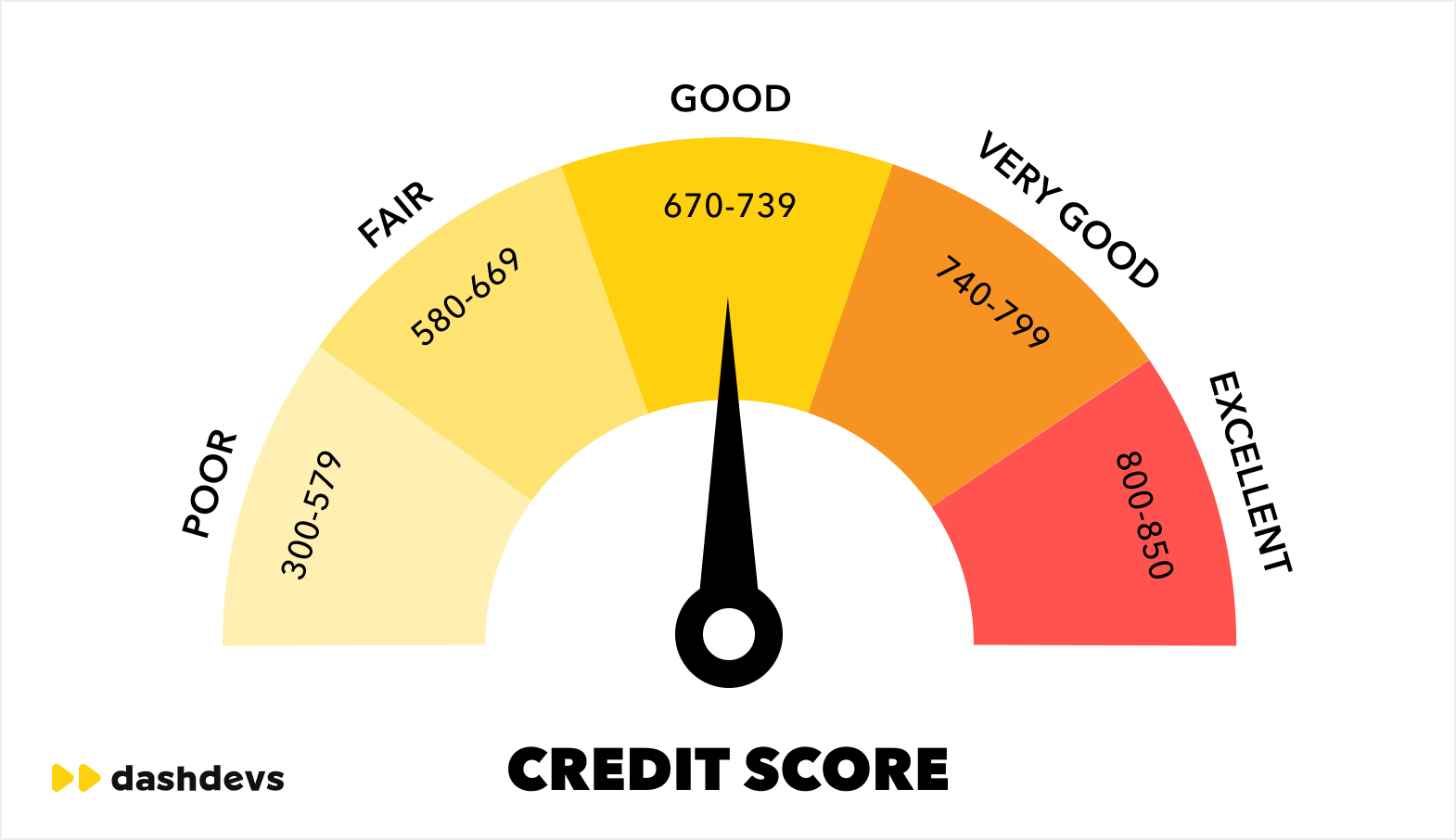


Spotting Weak AI Credit Claims
Many platforms promise instant credit score boosts, but AI doesn’t rewrite your history. It analyzes alternative data to predict risk more accurately. Be wary of tools claiming to "delete" negative marks or guarantee approval. These are often misleading. Real AI lending focuses on cash flow, utility payments, and behavioral patterns, not magic fixes. Always verify if the scoring model is transparent and explainable.
The "30% rule" often cited in AI marketing refers to the maximum portion of income dedicated to debt. AI models use this to assess repayment capacity, not to artificially inflate scores. Similarly, the "5 C's of credit" (Character, Capacity, Capital, Collateral, Conditions) remain the foundation. AI enhances these checks with real-time data, but it doesn’t replace the underlying principles. If a tool ignores these fundamentals, it’s likely a weak option.
Missed payments and high utilization remain the primary drivers of score degradation. No AI can fully erase the impact of late payments on traditional bureaus. Look for platforms that offer clear explanations for score changes. Avoid services that hide their methodology behind proprietary black boxes. Transparency is key. Choose tools that integrate with major credit bureaus and provide actionable insights, not just hype.
Ai credit scoring crypto 2026: what to check next
Here are practical answers to common questions about AI-driven credit scoring in crypto lending.
No comments yet. Be the first to share your thoughts!