
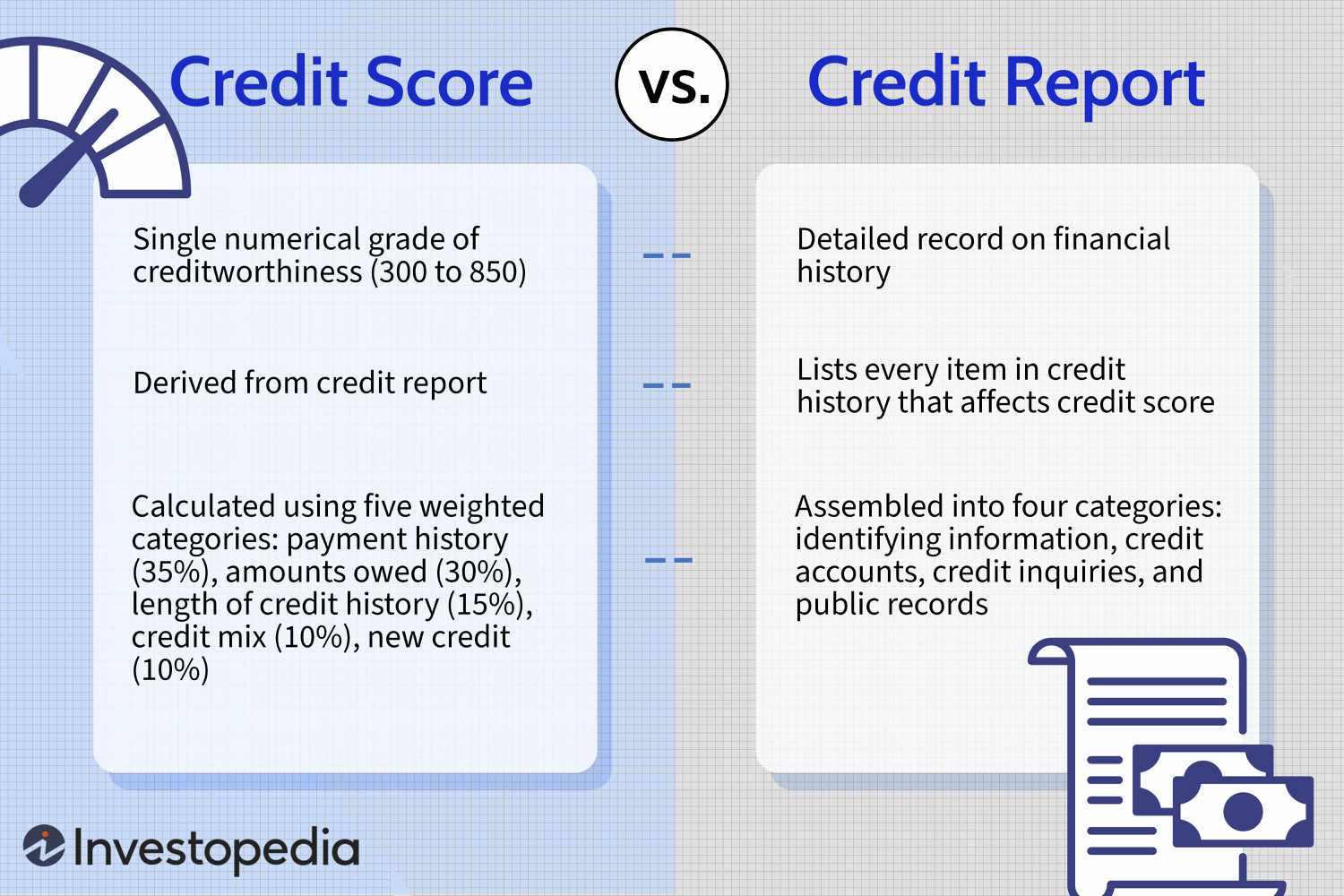
Crypto credit score 2026 limits to account for
Building a traditional credit profile from on-chain history involves specific tradeoffs between accessibility, cost, and privacy. In 2026, the market has split into two distinct paths: crypto-backed loans that require no credit check but lock up assets, and crypto-native credit scores that attempt to prove repayment reliability through wallet activity without collateral.
A practical choice should survive normal use, maintenance, timing, and budget. If a recommendation only works in an ideal situation, call that out plainly and give the reader a fallback path.
Collateralized Lending (No Credit Check)
This model removes the need for a credit score entirely. You deposit crypto (like Bitcoin or ETH) as collateral to borrow stablecoins or fiat. The tradeoff is high opportunity cost and liquidation risk. If the crypto price drops, you lose your assets.
- Pros: No credit check, instant approval.
- Cons: Requires over-collateralization (110-150%), liquidation risk, capital locked.
- Best for: Traders with existing crypto who need liquidity without selling.
Crypto-Native Credit Scoring
This emerging model analyzes on-chain behavior—transaction history, wallet age, and DeFi interactions—to generate a "wallet reputation" score. It aims to bridge the gap in risk assessment, making DeFi lending more inclusive. However, standardization is still lacking, and not all lenders accept these scores yet.
- Pros: No collateral required, builds tradFi-equivalent history.
- Cons: Privacy concerns, inconsistent scoring models, limited lender adoption.
- Best for: Users with strong on-chain history but no traditional credit.
Key Factors to Evaluate
When choosing a path, consider these concrete factors:
- Liquidation Risk: How much volatility can your collateral withstand?
- Score Standardization: Does the lender use a recognized on-chain scoring protocol?
- Privacy: Are you comfortable sharing full wallet history with a third-party scorer?
| Feature | Crypto-Backed Loan | Crypto-Native Score |
|---|---|---|
| Credit Check | No | Yes |
| Collateral Required | Yes (110%+) | No |
| Liquidation Risk | High | None |
| Privacy | High | Low |
| Adoption | High | Low |
How to build a crypto credit score in 2026
Turning on-chain history into a traditional credit score is not a single button press. It requires a deliberate setup where your blockchain activity becomes visible to the credit bureaus. Most major bureaus, including Experian and Equifax, do not automatically import wallet data. You must actively bridge that gap using certified reporting tools and compliant lending platforms.
Think of this process like building a bridge. On one side is your wallet history—transparent but opaque to traditional lenders. On the other is your FICO score. The "bridge" is the reporting service that translates your on-chain behavior into a format bureaus accept. Without this translation layer, your Bitcoin holdings remain invisible to mortgage lenders, regardless of their value.
Step 1: Audit your on-chain footprint
Before engaging any service, you need a clear map of your digital assets. Lenders look for consistency, not just volume. A wallet that only holds volatile meme coins for a few days offers less creditworthiness evidence than one that has held stablecoins or major cap assets for two years.
Use a portfolio tracker to export your transaction history. Look for patterns of regular income deposits, consistent spending, and long-term holding. This data will be the raw material for your credit report. If your history is fragmented across dozens of wallets, consolidate or document them clearly. A clean, traceable history is easier for reporting services to verify.
Step 2: Choose a credit reporting service
Not all crypto platforms report to all three major bureaus. This is the most critical decision in the process. Experian has partnered with services like CreditLumo and Blockcard to report certain on-chain activities. Equifax and TransUnion have their own distinct partnerships or may require different reporting channels.
Check which bureaus your chosen service reports to. If you are aiming for a mortgage, Experian or Equifax reporting is usually non-negotiable. If you are building general credit, a service that reports to at least two bureaus is preferable. Avoid platforms that only report to niche or non-traditional credit databases; these will not help you qualify for traditional loans.
Step 3: Link your wallet and verify identity
Once you select a reporting service, you will need to link your public wallet address and complete a Know Your Customer (KYC) check. This step connects your pseudonymous blockchain identity to your legal identity. The service will pull your transaction history and analyze it against credit scoring models.
Be prepared to provide government ID and proof of address. This is a regulatory requirement for any service that touches traditional credit reporting. The verification process can take a few days. During this time, the service may conduct a preliminary analysis of your wallet history to determine its reporting readiness.
Step 4: Monitor your credit report for accuracy
After your account is set up, your on-chain activity will begin to appear on your credit report. This is not instantaneous. It can take 30 to 60 days for the first data points to show up. When they do, check your report carefully.
Look for your new credit accounts, such as "Crypto-backed loan" or "On-chain credit line." Verify that the balances and payment history are accurate. If you see errors, dispute them immediately with the credit bureau. Accurate reporting is the only way these on-chain activities will positively impact your score.
Step 5: Maintain consistent on-chain behavior
Building credit is a long game. Your on-chain history will continue to evolve, and so will your score. The most important factor remains consistent, responsible behavior. Avoid maxing out your crypto-backed loans or letting stablecoin balances drop below required thresholds.
Just like traditional credit, your on-chain history reflects your risk profile. A wallet that consistently pays back loans or maintains healthy stablecoin reserves signals reliability to lenders. Over time, this history can help you qualify for better rates on both crypto and traditional financial products.
Watch for misleading claims and weak options
Building a traditional credit score from on-chain history is often oversold. Most current "crypto credit" products are actually collateralized loans. They use Bitcoin or Ethereum as security, not your transaction history. This removes the need for a credit check, but it doesn't build a FICO score. If a platform promises to report on-chain activity to Equifax or Experian, verify the partnership. Many claims lack official documentation.
The real opportunity lies in wallet reputation systems. These emerge organically within decentralized finance (DeFi) protocols. They track your reliability in repaying loans or providing liquidity. This data is useful for lenders within the crypto ecosystem. However, it rarely translates to traditional bank loans. Expect a disconnect between on-chain behavior and off-chain creditworthiness for the near future.
Be wary of platforms charging fees for "credit building" without clear reporting partners. The 2026 regulatory landscape, as noted in the PwC Global Crypto Regulation Report, focuses heavily on stablecoins and reserve requirements. Credit scoring remains a secondary, fragmented concern. Stick to established lenders with transparent terms. Avoid schemes that promise instant TradFi credit scores based solely on wallet balances.
No comments yet. Be the first to share your thoughts!