

Imagine unlocking DeFi loans without locking up 150% of your assets in volatile crypto collateral. That's the promise of on-chain risk scores, flipping the script on undercollateralized DeFi lending by prioritizing your repayment history over stacked ETH or stables. In 2026, as DeFi matures, platforms are ditching the overcollateralization crutch for smarter, history-based credit decisions. Galaxy's take on onchain credit markets nails it: native players are turning stablecoin flows into programmable collateral, but the real revolution? Crypto credit scoring powered by transparent blockchain data.
DeFi lending exploded because it's permissionless and fast, but today's dominant model, think Aave or Compound, demands you overcollateralize to the hilt. Your $10k loan? Pony up $15k in crypto first. It's safe for lenders, sure, but capital inefficient for borrowers. As Rishi Thomas points out in his Coinmonks piece, you're stuck levering correlated assets, amplifying liquidation risks during market dips. Ledn's 2026 guide echoes this: on-chain credit scoring lets protocols gauge your full financial activity, not just what's pledged.
The Collateral Trap Holding DeFi Back
Overcollateralization made DeFi viable early on, mitigating smart contract bugs and counterparty risks without KYC drama. But it's a bottleneck now. Borrowers tie up capital that could compound elsewhere, while lenders earn yields on idle collateral. Visa's report on stablecoins beyond payments highlights how traditional lending uses credit checks; onchain versions can slash that risk via verifiable histories. The Block's 2026 DeFi Outlook shows uneven loan growth, total outstanding loans expanded, yet undercollateralized options remain niche.

Enter onchain repayment history as the antidote. Instead of crypto piles, lenders score you on past behavior: timely repayments, wallet diversity, interaction patterns. It's like FICO for blockchains, but decentralized and tamper-proof. Orochi Network calls private on-chain credit a trillion-dollar play, built on modular stacks beyond single protocols.
Decoding On-Chain Risk Scores
These scores aggregate your on-chain footprint, from DEX trades to prior loans, into a risk profile. Platforms like those experimenting with decentralized identity credit (DID) layer in verifiable credentials. Bankless frames it perfectly: DeFi lending evolves from collateralized leverage to programmable finance. No more black-box oracles; everything's auditable.
Core metrics? Repayment velocity (how fast you pay back), default rates (zero is gold), and network effects (lending to reputable pools). Crypto Adventure's 2026 best protocols list spotlights mature markets with tight risk controls, a nod to where scores fit in. Substack's DeFi Education primer notes ongoing DID and scoring tests for undercollateralized loans, still maturing but gaining traction.
Top 5 On-Chain Risk Score Wins
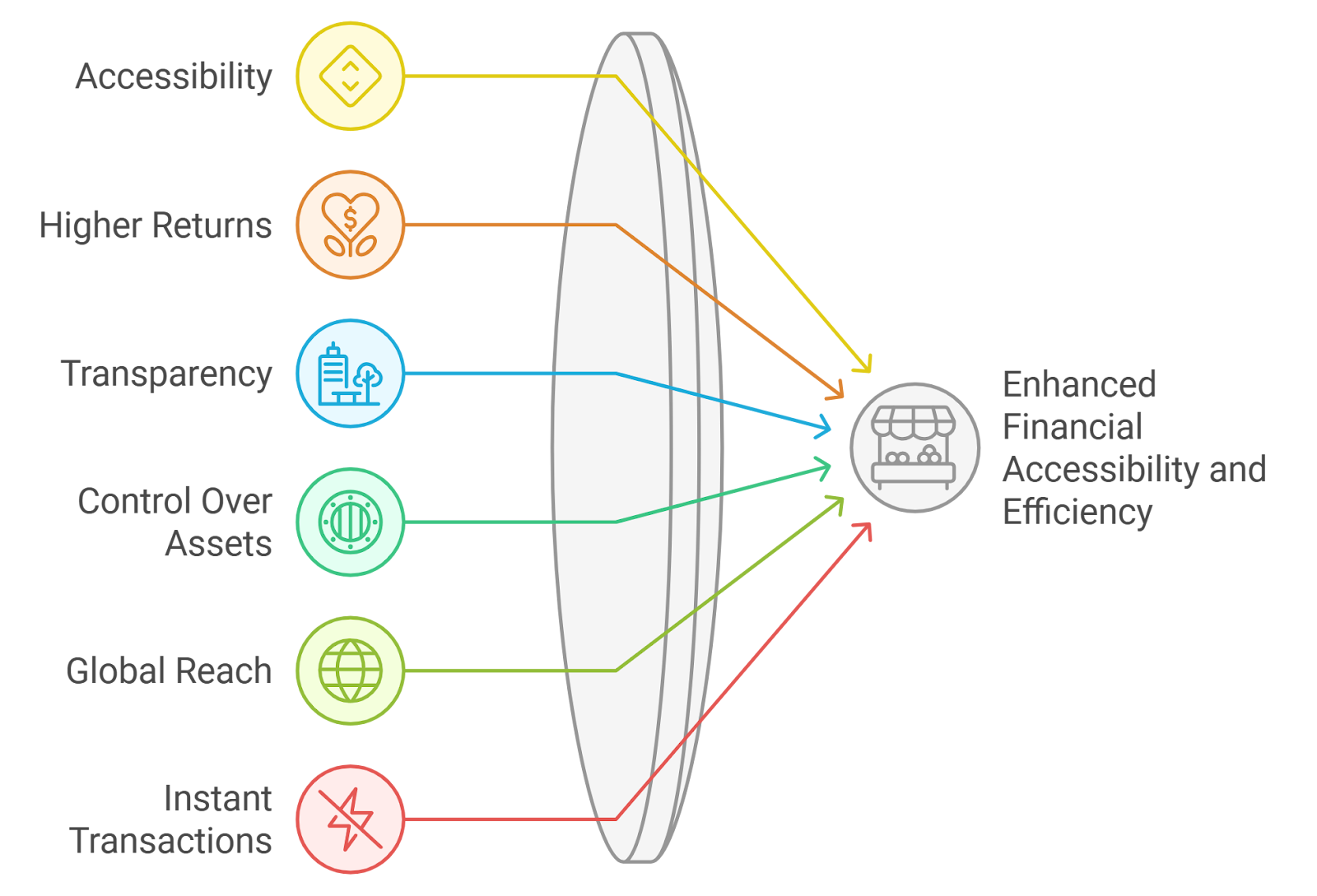
- Capital Efficiency: Ditch overcollateralization and unlock your assets' full potential! Protocols like TrueFi have issued nearly $2B in collateral-free loans, letting you deploy capital smarter.

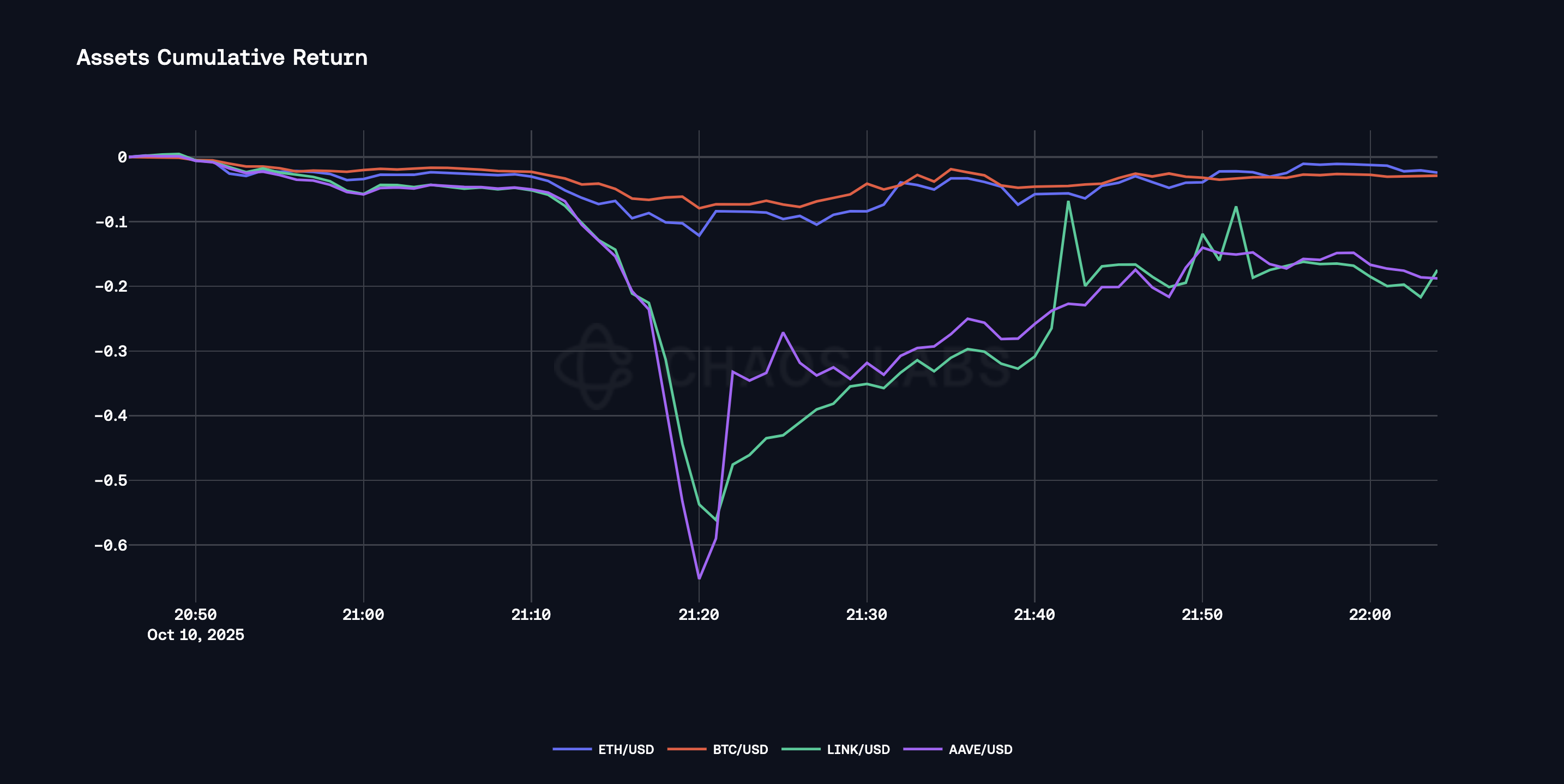
- Lower Liquidation Risk: No more volatile collateral wipeouts! On-chain scores focus on repayment history, slashing liquidation events and keeping your positions safe even in market dips.
- Accessibility for New Users: Jump in without big collateral stacks! Newbies with solid on-chain activity can borrow via scores, like on Goldfinch Finance, opening DeFi to everyone.
- Transparent Scoring: Everything's on-chain and auditable—no black-box credit checks! See exactly how your repayment history builds your score for fair, verifiable lending.

- Scalable Growth: Fuel DeFi's expansion without capital bottlenecks! Risk scores enable massive undercollateralized lending, powering protocols toward trillion-dollar on-chain credit markets.
Pioneers Proving the Model Works
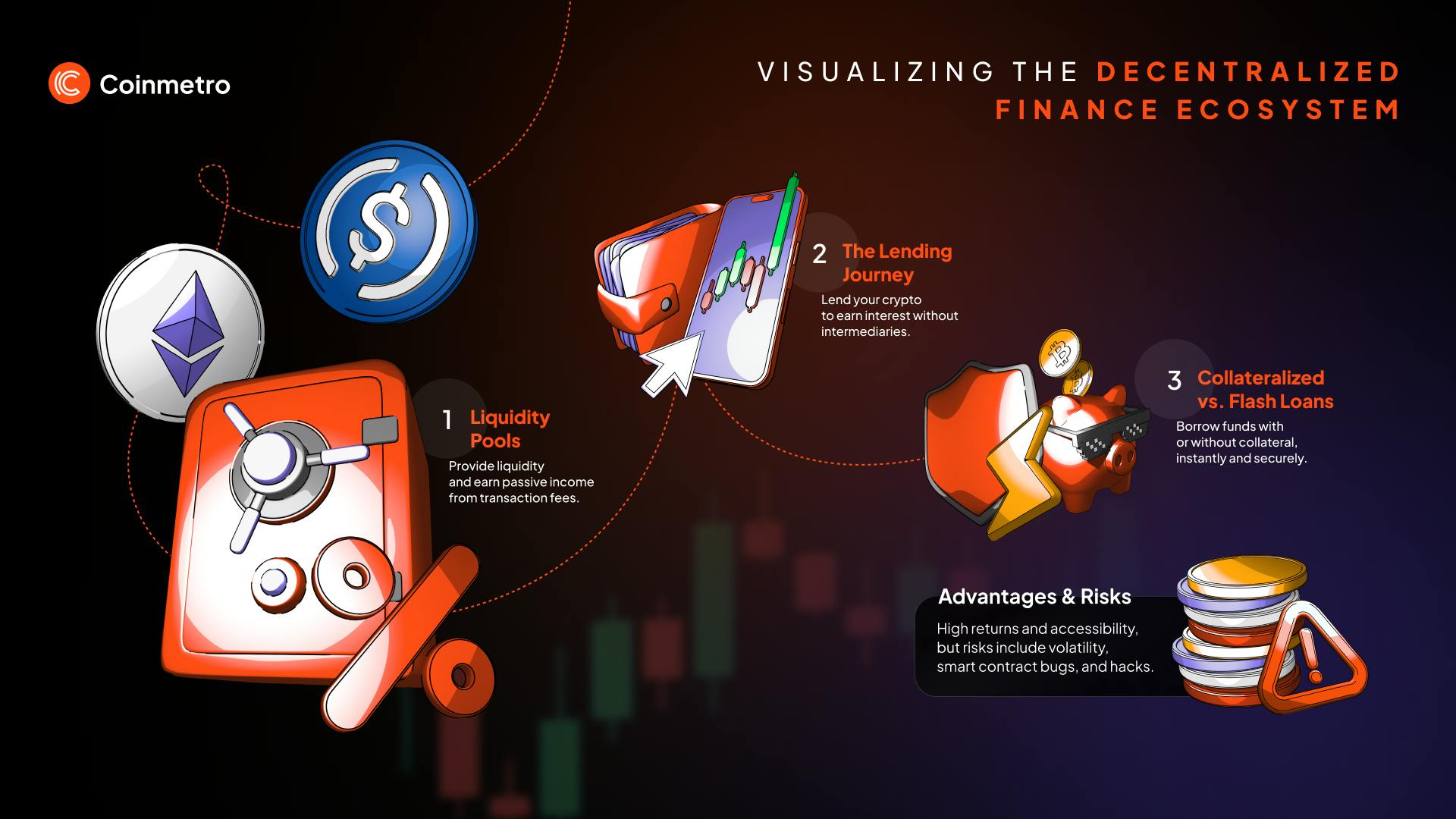
TrueFi and Goldfinch are the MVPs here. TrueFi's originated nearly $2 billion in collateral-free loans since 2020, blending on-chain data with off-chain assessments for pool delegates to vote on. It's not pure on-chain yet, but repayment histories drive approvals. Goldfinch skips crypto collateral entirely, betting on borrower trustworthiness via backers who stake on outcomes.
West Africa Trade Hub contrasts this with flash loans (zero collateral but atomic) versus sustainable options. These protocols cut capital waste, open DeFi to real-world borrowers, and build trust through transparency. Check out how on-chain risk scores enable under-collateralized lending in DeFi for deeper mechanics. As 2026 unfolds, expect more like them, per Crypto Adventure's safer picks with deep liquidity and clean liquidations.
The shift feels electric, lenders get better risk signals, borrowers access capital freely. But how do you get your score started? Simple: build a pristine repayment record on transparent chains. It's actionable: start small, repay on time, watch opportunities compound. Galaxy and Visa see stablecoins fueling this; The Block confirms expansion. Undercollateralized lending isn't hype; it's the efficient future.
Ready to dive in? Lenders love spotting patterns like consistent small loans repaid ahead of schedule, or diversified activity across chains without red flags like frequent liquidations. Stack those wins, and your on-chain risk score climbs, unlocking bigger limits at better rates. It's a flywheel: good history begets more opportunities, compounding your DeFi edge.
Comparison of Undercollateralized DeFi Protocols vs Aave
| Protocol | Collateral Requirement | Loans Originated | Risk Metrics | APYs | Key Features |
|---|---|---|---|---|---|
| TrueFi | None | ~$2B | On-chain repayment history, comprehensive on/off-chain credit assessment | Variable (supply/borrow based on utilization) | Collateral-free loans originated since Nov 2020 |
| Goldfinch | No cryptocurrency collateral | N/A | Borrower financial histories, trustworthiness, backer staking | Variable (supply/borrow based on utilization) | Focus on real-world borrowers |
| Aave | Overcollateralized (typically 150%+) | N/A | Overcollateralization ratios, automated liquidations, high liquidity | Variable (supply/borrow based on utilization) | Mature protocol with deep liquidity |
Overcoming Hurdles in the On-Chain Credit Game
Skeptics point to sybil attacks, where bad actors fake histories with multiple wallets. Smart protocols counter with decentralized identity credit layers, verifying uniqueness via zero-knowledge proofs. Data silos? Cross-chain bridges and aggregators like those in Orochi's modular stack unify your footprint seamlessly. Defaults happen, but transparent onchain repayment history lets lenders price risk precisely, unlike opaque TradFi black boxes. I've traded through 2022's chaos; this model's resilience shines because it's battle-tested on-chain.
Regulatory fog lingers too, especially for real-world assets, but Bankless nails the shift: DeFi's becoming programmable finance infrastructure. Visa's stablecoin lens shows onchain lending trimming counterparty risks programmatically. Expect 2026 to accelerate, with The Block's outlook predicting steadier expansion as scores mature.

Your Playbook for Undercollateralized Wins
Action time: scout protocols via Dune dashboards for score simulators. Start with TrueFi pools for vetted borrowers, or Goldfinch if you're institutionally inclined. Monitor your wallet via tools like Nansen for reputation boosts. Pair with stablecoin yields to collateralize lightly if needed during ramp-up. It's not risk-free, but crypto credit scoring slashes the old 150% drag, freeing capital for alpha hunts.
Flash loans? Cool for arbs, but not sustainable credit. West Africa Trade Hub breaks it down: true undercollateralized shines for ongoing liquidity. Crypto Adventure's 2026 picks emphasize deep liquidity; layer scores on top for next-level safety. Dive deeper with our guide on how onchain risk scores enable undercollateralized crypto loans.
Picture this: your score hits elite tier, snagging loans at sub-5% rates while markets pump. Lenders flock because your history screams reliability. That's the 2026 reality, where undercollateralized DeFi lending democratizes capital. No more collateral cages. Build it now, ride the wave. Platforms are live, data's flowing, trust's on-chain. Your move.




No comments yet. Be the first to share your thoughts!