

DeFi lending has transformed finance by enabling permissionless access to capital, yet its reliance on over-collateralization remains a persistent bottleneck. Borrowers must lock up assets worth 150% or more of the loan value, tying up capital in correlated holdings vulnerable to market volatility. This model, pioneered by protocols like Aave and Compound, ensures lender safety through liquidation mechanisms but stifles broader adoption. Enter on-chain reputation scores, a decentralized evolution that analyzes blockchain-native behaviors to facilitate under-collateralized DeFi loans. These scores unlock capital efficiency without exposing users to CeFi pitfalls like custodial risks or opaque operations.
Traditional finance assesses creditworthiness through off-chain signals such as income history and payment records. DeFi, by contrast, demands excessive collateral to compensate for the absence of such data. Recent advancements bridge this gap, leveraging transparent onchain risk assessment from transaction histories, smart contract interactions, and wallet balances. High-reputation users can now borrow with collateral as low as 30% of loan value, a 70% reduction that mirrors TradFi flexibility while preserving decentralization.
The Flaws of Over-Collateralized Lending Exposed
Over-collateralization creates a liquidity trap. Assets like ETH or stablecoins serve as both collateral and loan proceeds, amplifying exposure to single-market downturns. Liquidation cascades during flash crashes, as seen in past DeFi winters, erode trust and efficiency. Sources like Coinmonks highlight how this "clean but boxed-in" system limits leverage and liquidity smoothing. Meanwhile, enterprises eye on-chain lending for its alignment with core profit engines, per This Week in Fintech, signaling a trillion-dollar shift projected by Orochi Network for 2026.
Key Limitations of Over-Collateralized DeFi Loans
- Correlated Asset Risks: Collateral often mirrors borrowed assets (e.g., ETH for stablecoin loans), amplifying losses during market downturns.
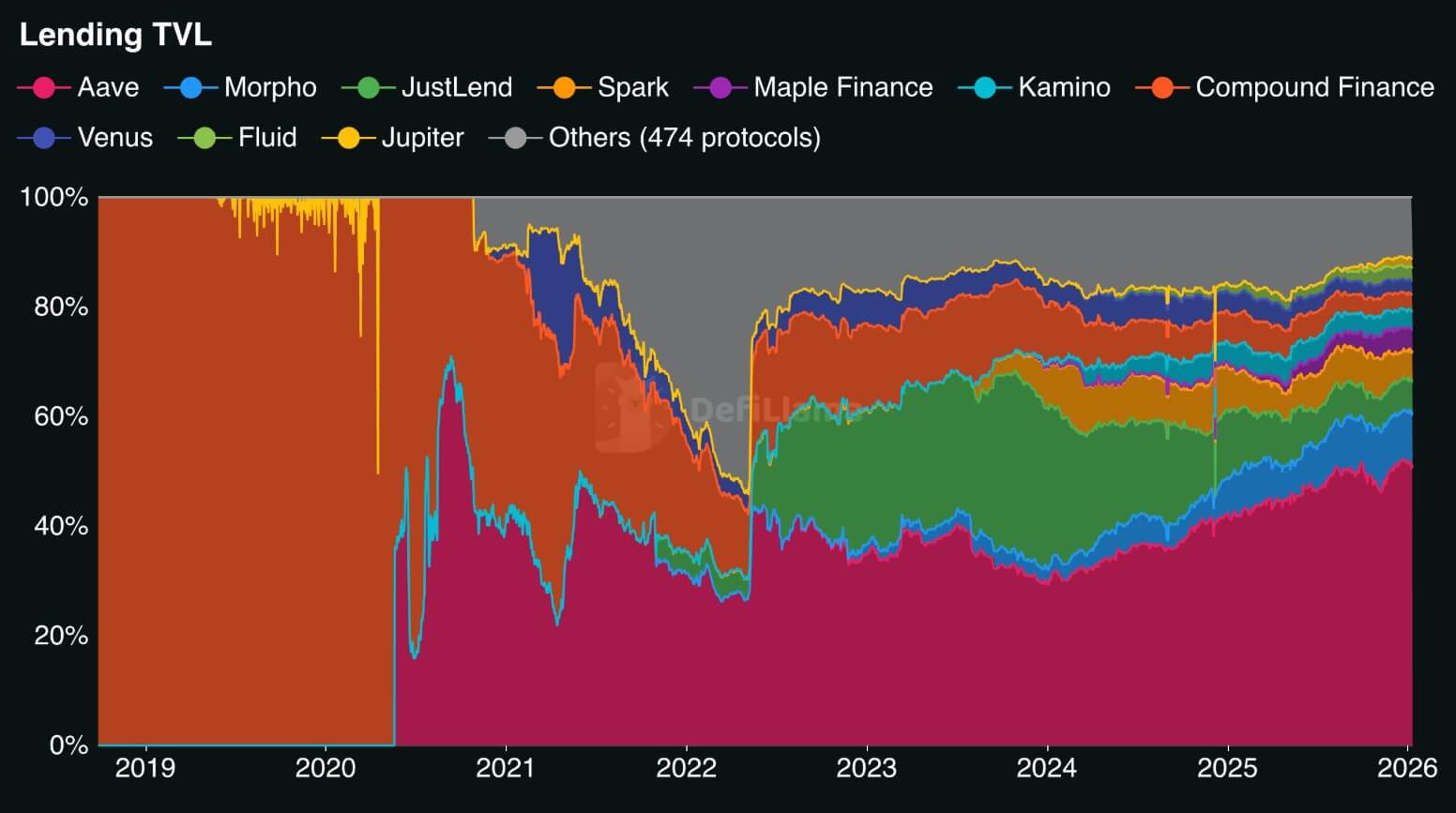
- Restricted Access for New Users: Lacks history requires high collateral, excluding newcomers without prior on-chain activity.
- Liquidation Vulnerabilities: High volatility triggers automatic liquidations, as seen in protocols during 2022 crashes, causing borrower losses.
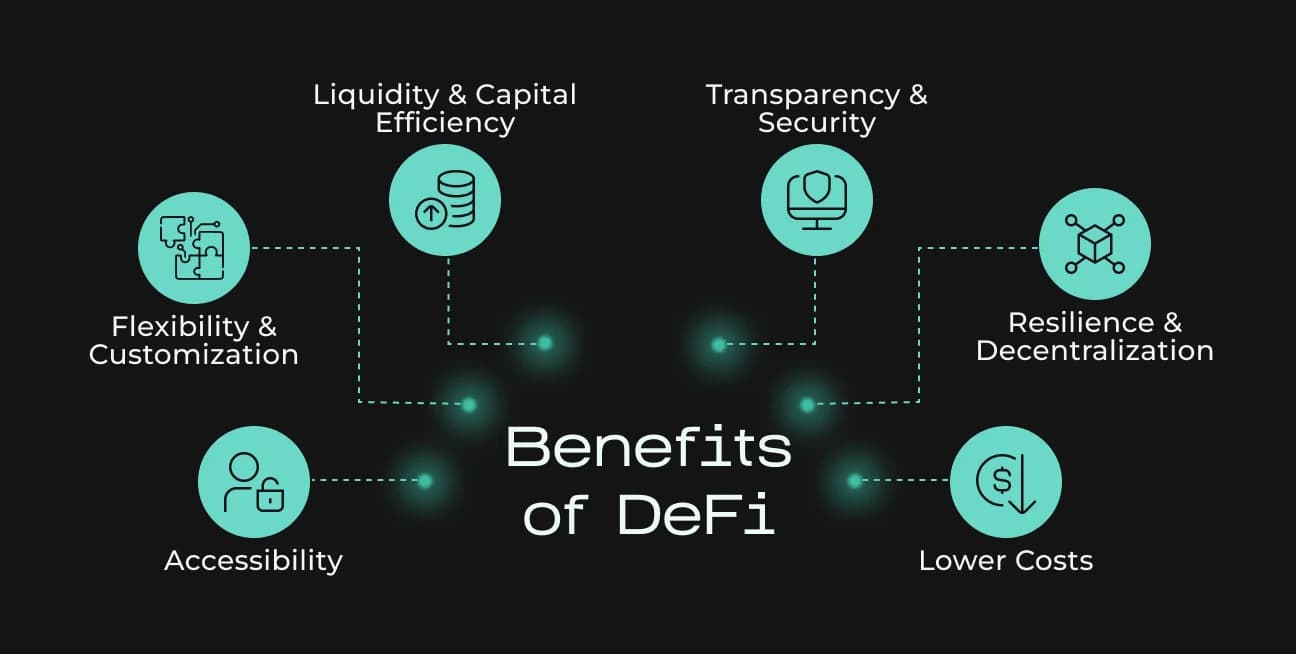
Under-collateralized alternatives, powered by crypto credit scoring, address these by quantifying borrower reliability on-chain. Protocols ingest data on repayment histories, transparent repayment histories, and interaction patterns, generating dynamic scores that adjust in real-time.
How On-Chain Reputation Scores Are Computed
These scores aggregate multifaceted on-chain signals. Transaction velocity indicates liquidity management; consistent repayments across protocols build positive history; diversified holdings signal risk awareness. Projects like Cred Protocol exemplify this, linking DeFi track records to real-world credit. Privacy-preserving oracles, via Chainlink's confidential offchain logic, even incorporate KYC or bank data without compromising sovereignty.
Scores typically range from 0 to 1000, with thresholds dictating loan-to-value ratios. A 850 and score might enable 0% collateral for trusted borrowers, while lower tiers require graduated safeguards. This granular DeFi undercollateralized lending democratizes access, empowering long-term participants over whales.
DeFi operates autonomously, but this limits who can borrow based purely on collateral. TradFi incorporates reputation; on-chain scores bring that sophistication blockchain-native.
Real-World Protocols Driving Adoption
Innovation accelerates with targeted implementations. Pistis Score composes DeFi, TradFi, and personal data into holistic reputations, directly enabling under-collateralized loans. SolCred offers real-time scoring on Solana, boosting security and efficiency. zScore on Uniswap behavioralizes liquidity provision and trading for precise risk models.
These systems sidestep CeFi risks: no black-box algorithms, no central freezes, full auditability. Visa's stablecoin lending paper underscores modernization potential, while crptverse. com reports unlocked crypto loans via reputation overlays.
Capital efficiency soars as reputation supplants collateral, fostering a virtuous cycle of participation and trust. Lenders deploy funds optimally, borrowers scale positions fluidly.
Yet this shift demands rigorous safeguards. While on-chain reputation scores enhance onchain risk assessment, they introduce nuances in data interpretation and oracle reliability. Smart contract vulnerabilities persist, as Ledn notes in highlighting DeFi's inherent risks like liquidations and depegs. Protocols counter this through audited codebases, time-locked repayments, and hybrid collateral ramps for mid-tier scores.
Mitigating Risks Without CeFi Compromises
Under-collateralized DeFi sidesteps CeFi's custodial black holes, where platforms like Celsius froze billions during downturns. Blockchain transparency ensures every repayment traces immutably, building transparent repayment histories that algorithms score objectively. Privacy tools, such as zero-knowledge proofs, let users prove score thresholds without revealing full histories. Chainlink's confidential logic further integrates off-chain signals securely, blending the best of both worlds.
Comparison of Over-Collateralized vs. Under-Collateralized DeFi Lending
| Aspect | Over-Collateralized | Under-Collateralized |
|---|---|---|
| Capital Efficiency | Low: Requires collateral exceeding loan value (e.g., 150-200%), tying up significant capital and limiting usage | High: Up to 70% lower collateral for high-reputation users via on-chain scores, maximizing capital efficiency |
| Risk Model | Relies on over-collateralization with correlated assets; risks include smart contract vulnerabilities, liquidation, and stablecoin depegs | Leverages on-chain reputation scores (e.g., transaction history, smart contract interactions) for accurate risk assessment without CeFi intermediaries |
| Borrower Access | Restricted to users with excess crypto assets; excludes those without sufficient collateral | Broadened to users with strong on-chain reputation (e.g., Pistis Score, SolCred), enabling access based on financial behavior rather than assets alone |
| Default Mitigation | Automatic liquidation of over-collateralized assets upon price drops or defaults | Reputation penalties, score degradation, and integration of off-chain data/KYC for recovery; enhanced by transparency and decentralization |
Consider a borrower with a 900 Pistis Score: they access loans at 20% collateral, repay via automated streams, and elevate their score through consistent behavior. Lenders, armed with granular data, set dynamic interest rates, optimizing yields. This model, explored in Mitosis University's deep dive, fuses on-chain and off-chain data for robust creditworthiness.
Empirical traction grows. SolCred's whitepaper details Solana-native scoring, slashing collateral needs while boosting throughput. zScore's Uniswap integration rewards genuine liquidity providers, curbing sybil attacks via behavioral fingerprints. These innovations echo Visa's vision for stablecoin-powered lending, modernizing ecosystems with programmable trust.
On-chain lending touches credit and risk directly, becoming crypto's most real application.
Capitalizing on the Trillion-Dollar Horizon
Projections from Orochi Network paint 2026 as transformative, with private on-chain credit exploding to trillions. Enterprises, per This Week in Fintech, pour billions into these rails for their profit alignment. Onchain Foundation posits scores unlocking under-collateralized alternatives to Aave's model, drawing TradFi liquidity.
Adoption hinges on composability. Scores from one protocol port to another, creating network effects. Developers embed them via APIs, as cryptocreditscore. org demonstrates with risk tools for DeFi workflows. Users build reputations across chains, from Ethereum to Solana, fostering interoperability.
Challenges remain: oracle centralization and cross-chain data silos. Yet solutions emerge, like decentralized identifiers tying identities to scores pseudonymously. Regulatory clarity, long DeFi's foe, favors transparent systems over opaque CeFi, positioning on-chain credit as compliant innovation.
The pivot to reputation-driven lending redefines DeFi's promise. Borrowers unlock trapped capital, lenders diversify risks precisely, and the ecosystem scales sustainably. As protocols mature, under-collateralized DeFi loans propel crypto toward mainstream finance, powered by the unassailable truth of blockchain records.




No comments yet. Be the first to share your thoughts!