
What defines a crypto credit score in 2026
A crypto credit score is a risk assessment metric derived from on-chain behavior rather than traditional banking history. Unlike a FICO score, which relies on credit card payments and loan defaults, this metric analyzes how a wallet interacts with decentralized finance protocols. It measures reliability through transaction consistency, collateral health, and repayment history across lending platforms.
The most common misconception is that active trading builds credit. It does not. Buying, selling, or holding assets like Bitcoin or Ethereum has no bearing on creditworthiness. These activities show liquidity, not liability management. A wallet can trade millions in volume and still have a zero or undefined credit score because no debt was incurred or repaid.
To build a score, you must engage in lending and borrowing. When you deposit crypto as collateral to borrow stablecoins, that loan appears on the blockchain. Timely repayment of these loans, or maintaining healthy collateralization ratios, generates positive data points. This on-chain history creates a verifiable track record of financial responsibility.
This distinction is critical for the 2026 landscape. As DeFi becomes more integrated with traditional finance, lenders need reliable data to assess risk. On-chain lending behavior provides that data. It allows protocols to offer better terms to users with strong repayment histories, bridging the gap between anonymous wallets and trusted borrowers.
Technical Chart: BTC/USD
How stablecoin history builds your score
Your on-chain activity creates a permanent, transparent ledger that traditional credit bureaus cannot see. While standard crypto trading does not impact your FICO score, stablecoin transactions offer a distinct advantage: they mimic the regularity and reliability of traditional banking. Lenders and lending protocols use this history to assess your creditworthiness in a way that purely speculative assets do not.
The core metric is consistency. Holding stablecoins like USDC or USDT for extended periods signals financial stability. More importantly, the pattern of your transactions matters. Regular, predictable transfers—such as monthly payments or consistent savings deposits—demonstrate a disciplined financial approach. This verifiable history allows scoring models to distinguish between a gambler and a reliable borrower.
Scoring algorithms analyze transaction velocity and balance retention. A high volume of erratic, high-risk DeFi interactions may lower your score, while steady, low-friction movements build trust. Institutions like Fitch Ratings now evaluate digital asset behaviors as part of broader financial risk assessments, noting that stablecoin usage provides a clearer picture of liquidity than volatile token holdings.
This on-chain reputation is not yet universal, but it is becoming the foundation of decentralized credit. As regulatory frameworks mature in 2026, these transparent histories will likely serve as the primary evidence for loan approvals, bridging the gap between traditional finance and the open blockchain.
How DeFi Lending Shapes Your On-Chain Credit Score
DeFi lending operates on a fundamentally different logic than traditional banking. Instead of evaluating your personal history, income, or existing debt, protocols assess your ability to cover the loan through collateral. This shift moves the focus from identity-based trust to code-based security. When you take out a crypto-backed loan, you are essentially locking up assets to borrow against them. This mechanism removes traditional barriers like FICO scores or lengthy approval processes, allowing immediate access to liquidity. However, it introduces new risks that directly impact your on-chain reputation.
The health of your position is monitored by a Loan-to-Value (LTV) ratio. This metric compares the value of your collateral to the amount you have borrowed. If the value of your collateral drops significantly, your LTV rises. When it crosses a specific threshold set by the protocol, the loan becomes undercollateralized. At this point, the protocol triggers a liquidation to recover the funds. Successful repayment of these loans builds a verifiable history of reliability on the blockchain. Conversely, liquidations serve as public, permanent records of financial distress.
This on-chain behavior is now being aggregated by specialized rating agencies. Firms like gio Ratings analyze this data to provide crypto credit ratings and counterparty risk scores. They track how often addresses default or get liquidated, creating a risk profile that can be used by other institutions. While crypto transactions do not directly impact your traditional FICO score, they are building a parallel credit system. Your on-chain history is becoming a distinct metric for lenders who prioritize transparency and real-time data over static credit reports.
The following table compares the primary metrics used in centralized finance versus decentralized finance.
| Metric | Centralized (CeFi) | Decentralized (DeFi) | Credit Impact |
|---|---|---|---|
| Primary Assessment | Personal Identity & Income | Collateral Value & LTV | CeFi uses history; DeFi uses current assets |
| Approval Speed | Days to Weeks | Seconds to Minutes | DeFi offers immediate liquidity |
| Default Consequence | Credit Score Drop & Collections | Asset Liquidation & On-Chain Record | DeFi defaults are public and permanent |
| Data Source | Bureau Reports (Equifax, etc.) | Blockchain Transactions | DeFi data is real-time and verifiable |
Market data and lending trends
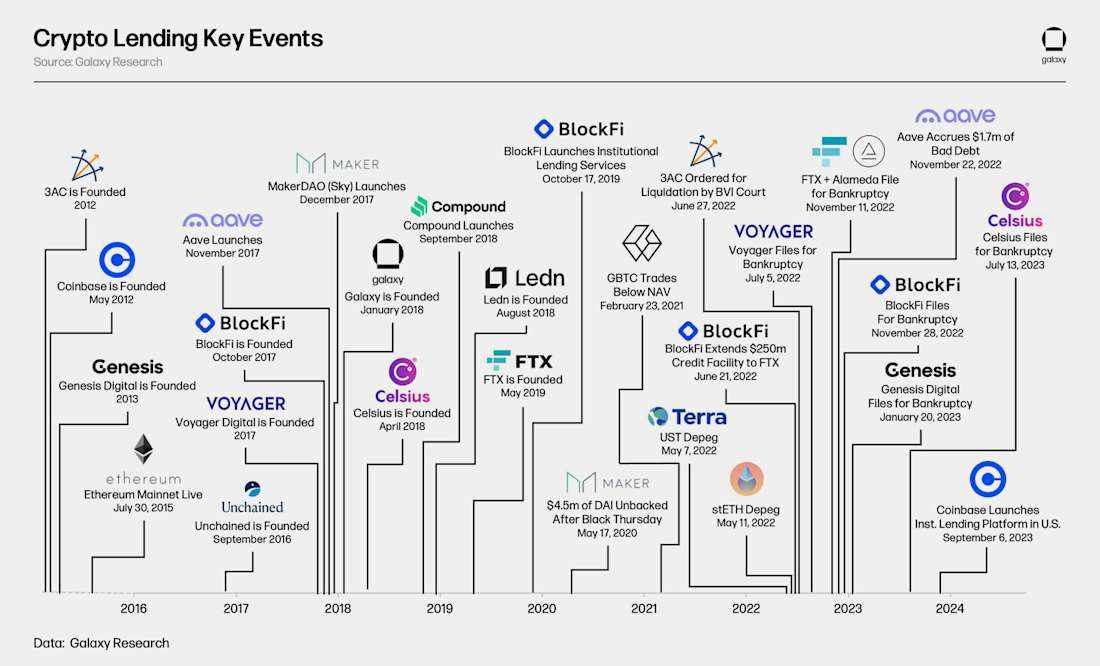
Crypto lending has shifted from a speculative fringe to a core component of digital asset infrastructure. In 2026, the market is defined by stablecoin dominance and on-chain transparency. Unlike traditional finance, where creditworthiness is often hidden behind opaque reports, DeFi lending protocols publish their health in real time.
The scale of this market is immense. Total value locked in lending protocols regularly exceeds $50 billion, driven largely by Bitcoin-backed loans and stablecoin yield generation. This volume provides the raw data needed for accurate credit scoring. When you borrow against your crypto holdings, the transaction is immutable and visible, creating a permanent record of your financial behavior.
To understand the credit implications, it helps to watch the underlying asset performance. Bitcoin remains the primary collateral for institutional lending, while stablecoins like USDC and USDT serve as the primary borrowing currency. Tracking these assets reveals the health of the credit market.
When Bitcoin prices are stable or rising, lending volumes typically increase as borrowers feel confident leveraging their holdings. Conversely, sharp price drops trigger liquidations, which can tighten credit availability across the network. This correlation means your crypto credit score is not just about your repayment history, but also about the broader market conditions that dictate asset liquidity.
Regulation and privacy in 2026
The legal landscape for crypto credit scoring is shifting from gray areas to defined boundaries. In 2026, regulators are no longer debating whether on-chain data can be used for credit decisions; they are setting the rules for how it is accessed and shared. This transition forces lenders to balance the rich data potential of blockchain history with strict privacy protections.
Data privacy remains the central tension. Unlike traditional credit reports, on-chain history is public by default. Using this data for credit scoring requires robust consent mechanisms to comply with evolving regulations like the EU’s Data Act and pending US federal guidelines. Lenders must ensure that linking a wallet address to a real-world identity does not violate data minimization principles.
The implications for credit decisions are profound. Regulators are scrutinizing algorithms that rely solely on DeFi history, warning against "black box" scoring models that lack explainability. As noted in legal analyses of crypto-native credit systems, the goal is to make lending more inclusive without sacrificing fairness or transparency [Packin & Geslevich].
Institutional players are responding by adopting hybrid models. These systems combine traditional credit bureau data with verified on-chain behavior, subject to clear regulatory oversight. This approach aims to satisfy both the demand for alternative data and the regulatory requirement for consumer protection. As the market matures, expect stricter auditing of the algorithms that translate blockchain activity into creditworthiness.
Common questions about on-chain credit
On-chain lending and stablecoin history are reshaping how lenders evaluate borrowers, but the mechanics differ significantly from traditional banking. Understanding these distinctions helps clarify why certain behaviors impact your financial standing in decentralized finance (DeFi).
The intersection of traditional credit and on-chain activity remains complex. While on-chain history provides granular data for lenders, its direct impact on your traditional credit report is still limited. As regulations evolve, this gap may narrow, offering a more unified view of financial health.
No comments yet. Be the first to share your thoughts!