
What is a crypto credit score in 2026?
A crypto credit score is an on-chain reputation metric that evaluates a user’s financial behavior within the blockchain ecosystem. Unlike traditional FICO scores, which rely on centralized banking data, decentralized credit scoring analyzes transaction history, wallet activity, and repayment patterns directly from the ledger. This approach aims to bridge the gap in risk assessment, making decentralized finance (DeFi) lending more inclusive for users who lack a conventional credit history.
In the 2026 regulatory landscape, the distinction between credit-based and collateral-based lending has become sharper. While many crypto-backed loans remain strictly collateral-based—removing the need for any credit check entirely—emerging protocols are beginning to integrate these on-chain scores to offer variable rates. As noted in research from Cardozo Law, these systems render lending more robust by assessing actual behavior rather than relying solely on asset collateral. This shift allows borrowers with strong on-chain histories to potentially access better terms, even if their traditional credit profile is thin or nonexistent.
Build your on-chain credit history
Traditional credit bureaus do not track your crypto activity. To build a credit score in this space, you must generate verifiable financial behavior on the blockchain. Credit rating agencies and DeFi protocols analyze this on-chain data to assess counterparty risk and asset quality [[src-serp-1]].
Think of your wallet as a digital resume. Every transaction, deposit, and repayment adds a line item that lenders can audit. Without this history, you remain an unknown variable. By following these steps, you create a transparent track record that institutions can evaluate.
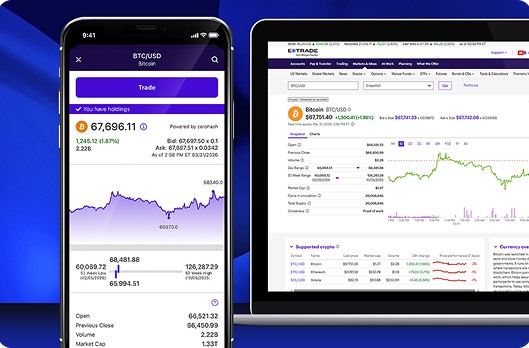
Start by linking a non-custodial wallet, such as MetaMask or Rabby, to a well-established DeFi lending protocol. Avoid obscure or unaudited platforms. The goal is to interact with a system that reports data to credit aggregators or maintains a public ledger of your interactions. Ensure your wallet address is clean and has no history of mixing or privacy-enhancing transactions, as these obscure your financial trail.
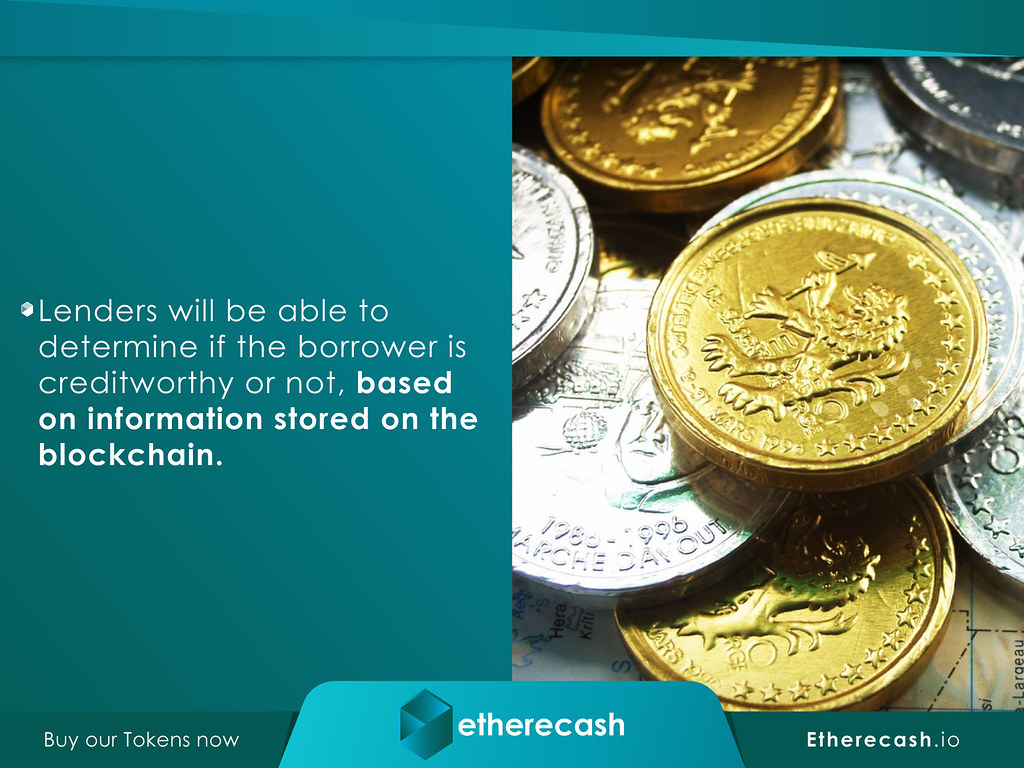
Fund your wallet with stablecoins or major cryptocurrencies like Bitcoin or Ethereum. Deposit these assets into the lending protocol’s vault. This collateral acts as security for the loans you will take. The type and amount of collateral you hold signal your financial stability. Protocols often require over-collateralization, meaning you must deposit more value than you intend to borrow.
Take out a small loan against your collateral. This action creates a debt obligation on your public record. The key is to borrow an amount that is manageable relative to your collateral. This step initiates the credit history. The protocol now tracks your liability, which is a critical data point for credit scoring models that evaluate leverage and risk exposure [[src-serp-3]].
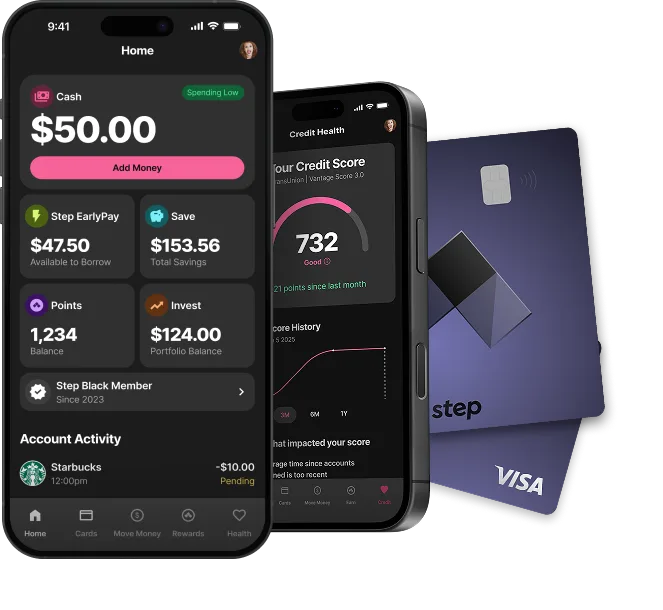
Repay your loan before the due date. Consistent, timely repayments are the strongest signal of creditworthiness. Each successful repayment adds a positive data point to your on-chain history. Missed payments or liquidations due to collateral value drops will severely damage your score. Treat these on-chain debts with the same seriousness as traditional bank loans.

Credit history requires time to mature. Continue to use the protocol for various financial activities, such as providing liquidity or staking, while maintaining your repayment habits. A longer track record of diverse, responsible behavior provides a more robust dataset for credit agencies. This sustained activity builds the trust necessary for higher credit limits and better terms in the future.
How your score affects DeFi lending rates
Your on-chain credit score acts as a trust multiplier in decentralized finance. Lending protocols use this metric to adjust risk parameters dynamically. A higher score signals consistent repayment behavior and healthy wallet activity, which directly translates to better borrowing terms.
In 2026, the correlation between score and cost of capital is explicit. Protocols like Aave and Compound integrate these scores to tier borrowers. Users with strong histories gain access to lower interest rates and higher loan-to-value (LTV) ratios. This means you can borrow more against your crypto collateral without paying excessive interest.
Conversely, a low or non-existent score results in stricter terms. Lenders may cap your LTV at 50% or charge premium rates to offset perceived risk. This structure incentivizes responsible on-chain behavior, rewarding users who treat decentralized lending with the same seriousness as traditional finance.
The table below illustrates how lending terms typically shift based on credit tier. These figures represent standard protocol adjustments for major assets like BTC and ETH.
| Credit Tier | Base Interest Rate | Max Loan-to-Value (LTV) | Required Collateral |
|---|---|---|---|
| High (750+) | 3-5% | 75-80% | Lower |
| Medium (600-749) | 6-9% | 50-60% | Standard |
| Low (<600) | 10-15% | 30-40% | Higher |
Understanding these tiers helps you plan your leverage strategy. If you need to borrow against your holdings, focus on building a consistent transaction history first. Small, timely repayments on smaller loans can boost your score faster than waiting for a large position. This approach minimizes liquidation risk while maximizing your borrowing power.
Checklist for a strong 2026 crypto profile
Building a resilient crypto credit score requires consistent on-chain behavior. Institutions measure counterparty risk by analyzing wallet balances, reserve composition, and transaction flows. Follow these steps to maintain a profile that stands up to scrutiny.
- Maintain healthy wallet balances. Keep sufficient liquidity in your primary wallets to demonstrate stability and reduce default risk.
- Diversify reserve composition. Avoid holding assets in a single volatile token; a balanced portfolio signals responsible asset management.
- Track transaction behavior. Regular, predictable transactions are viewed more favorably than erratic, high-volume spikes.
- Verify identity when required. Complete Know Your Customer (KYC) checks on reputable platforms to bridge on-chain data with real-world identity.
- Monitor your reports. Regularly review your credit data to correct errors and ensure your on-chain history is accurately reflected.
Frequently asked: what to check next
What is a crypto credit score?
A crypto credit score evaluates your financial behavior within the blockchain ecosystem rather than relying on traditional banking history. While it draws parallels to standard credit scoring, it focuses on on-chain activity such as DeFi lending, staking, and transaction history to assess risk and reliability. This approach aims to bridge the gap for users who lack conventional credit reports, rendering decentralized finance more inclusive for crypto-native participants.
Does buying crypto affect my traditional credit score?
Generally, no. Buying or trading cryptocurrency does not appear on your standard credit report because most exchanges do not report these activities to the major credit bureaus. However, if you finance your crypto purchases through borrowed money or credit cards, that debt is reported. Missing payments on these debts will negatively impact your score, even if the crypto asset itself remains invisible to lenders.
How will crypto credit scoring change in 2026?
Regulatory frameworks are shifting to address the rapid evolution of digital assets, with a particular focus on stablecoins and supervisory frameworks. As outlined in the PwC Global Crypto Regulation Report 2026, emerging trends suggest that compliant crypto-credit scoring models will face stricter oversight. This may lead to more standardized data verification methods, potentially allowing verified on-chain history to carry more weight in traditional lending decisions if regulatory clarity improves.
No comments yet. Be the first to share your thoughts!