
What the 2026 rules mean for your score
The term "crypto credit score" often causes confusion because it does not refer to a single, universal number like a FICO score. Instead, it represents a hybrid model that combines your on-chain transaction history with traditional bureau data. This shift is driven by new regulatory transparency requirements that are forcing lenders to report crypto-backed loan activity to major credit bureaus.
For years, crypto-backed loans were strictly collateral-based, meaning lenders cared only about the value of the Bitcoin or Ethereum you pledged, not your personal credit history. This setup removed traditional barriers like lengthy approval processes or minimum credit score requirements. However, the landscape is changing. As regulations tighten in 2026, the line between on-chain behavior and traditional creditworthiness is blurring.
Major credit agencies are now adapting to this new reality. For instance, TransUnion has begun delivering traditional off-chain credit scores for individuals applying for loans on blockchain-based protocols. This integration ensures that your crypto lending activity can now impact your broader financial profile, both positively if you repay on time, and negatively if you default. The result is a more transparent ecosystem where your digital asset history is no longer invisible to traditional financial institutions.
CeFi vs DeFi lending models compared
Use this section to make the Crypto Credit Score decision easier to compare in real life, not just on paper. Start with the reader's actual constraint, then separate must-have requirements from details that are merely nice to have. A practical choice should survive normal use, maintenance, timing, and budget. If a recommendation only works in an ideal situation, call that out plainly and give the reader a fallback path.
| Factor | What to check | Why it matters |
|---|---|---|
| Fit | Match the option to the primary use case. | A good deal still fails if it does not fit the job. |
| Condition | Verify age, wear, and service history. | Hidden condition issues erase upfront savings. |
| Cost | Compare purchase price with likely upkeep. | The cheapest option is not always the lowest-cost option. |
Build a crypto credit score in 2026
Establishing a credit history with digital assets requires a shift from traditional lending models. In 2026, the landscape distinguishes between collateralized borrowing and credit-based lending. Most crypto-backed loans rely on over-collateralization rather than your personal creditworthiness, meaning they do not inherently build your credit profile unless the lender explicitly reports to bureaus.
To build credit, you must choose lenders that report payment activity to major credit agencies. TransUnion, for example, has begun delivering traditional off-chain credit scores for individuals applying for loans on blockchain-based protocols. This integration allows your borrowing behavior to influence your established credit score, bridging the gap between on-chain activity and off-chain financial health.
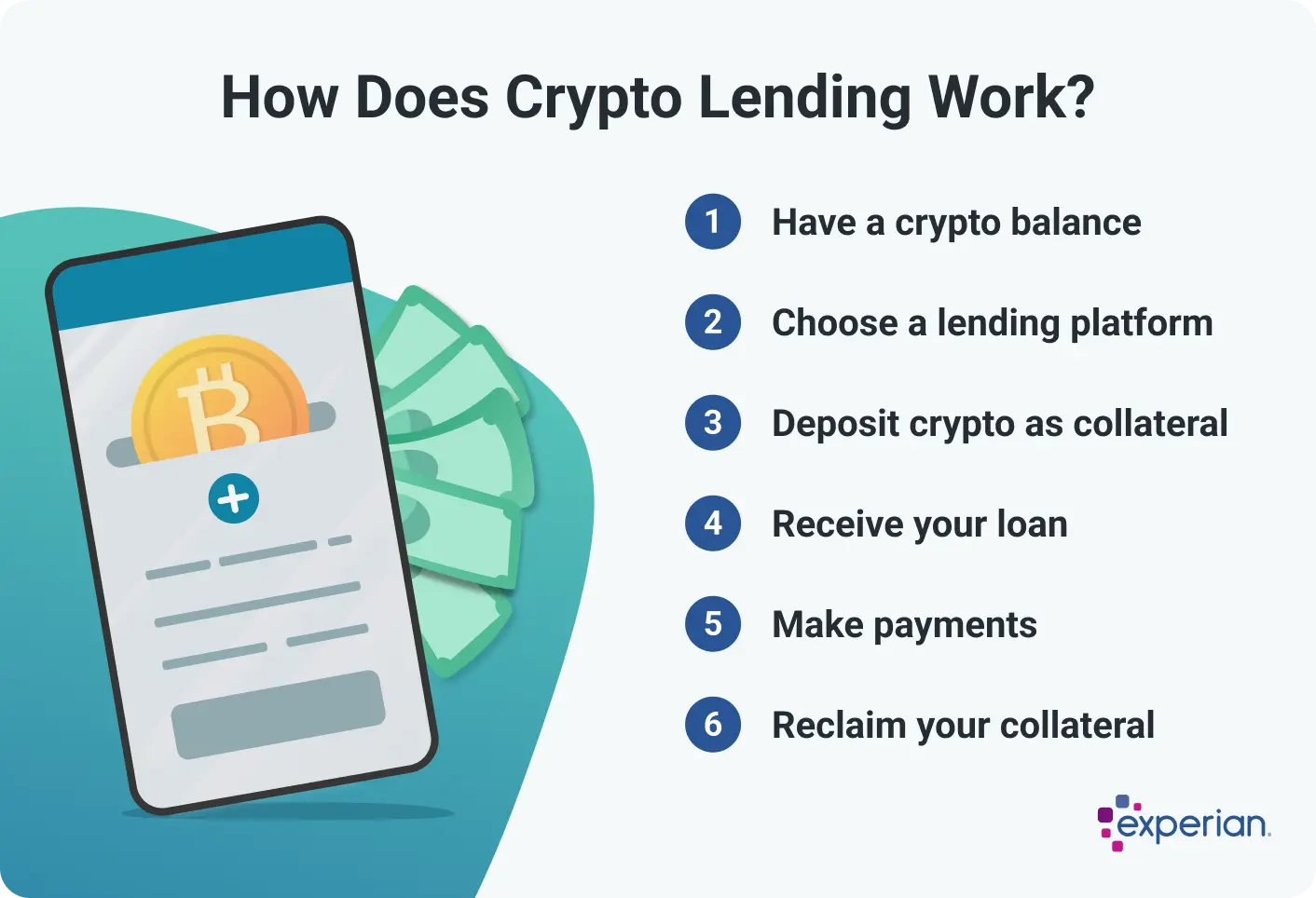
Verify that the crypto lending platform reports to at least one major credit bureau. Not all platforms do. Look for explicit disclosures in their terms of service or FAQ sections regarding credit reporting. Without this step, your loan payments will remain invisible to credit scoring models.
Consistency is the primary driver of credit score improvement. Configure automatic payments for your loan installments to avoid missed deadlines. Even one late payment can significantly damage your credit history, undoing months of responsible borrowing.
Maintain a healthy Loan-to-Value (LTV) ratio. While this primarily protects you from liquidation, it also signals financial stability to lenders. Keeping your collateral value well above the minimum requirement demonstrates prudent management of your digital assets.
Review your credit reports from TransUnion, Equifax, and Experian quarterly. Ensure that your crypto loan payments are being recorded correctly. Dispute any inaccuracies immediately to prevent errors from dragging down your score.
Building credit with crypto is not automatic. It requires deliberate selection of reporting partners and disciplined repayment habits. As regulations evolve, more platforms will likely integrate credit reporting, making it easier to establish a hybrid credit history. Stay informed about which lenders are participating in these reporting networks to maximize your financial credibility.
Crypto credit card adoption reshapes lending markets
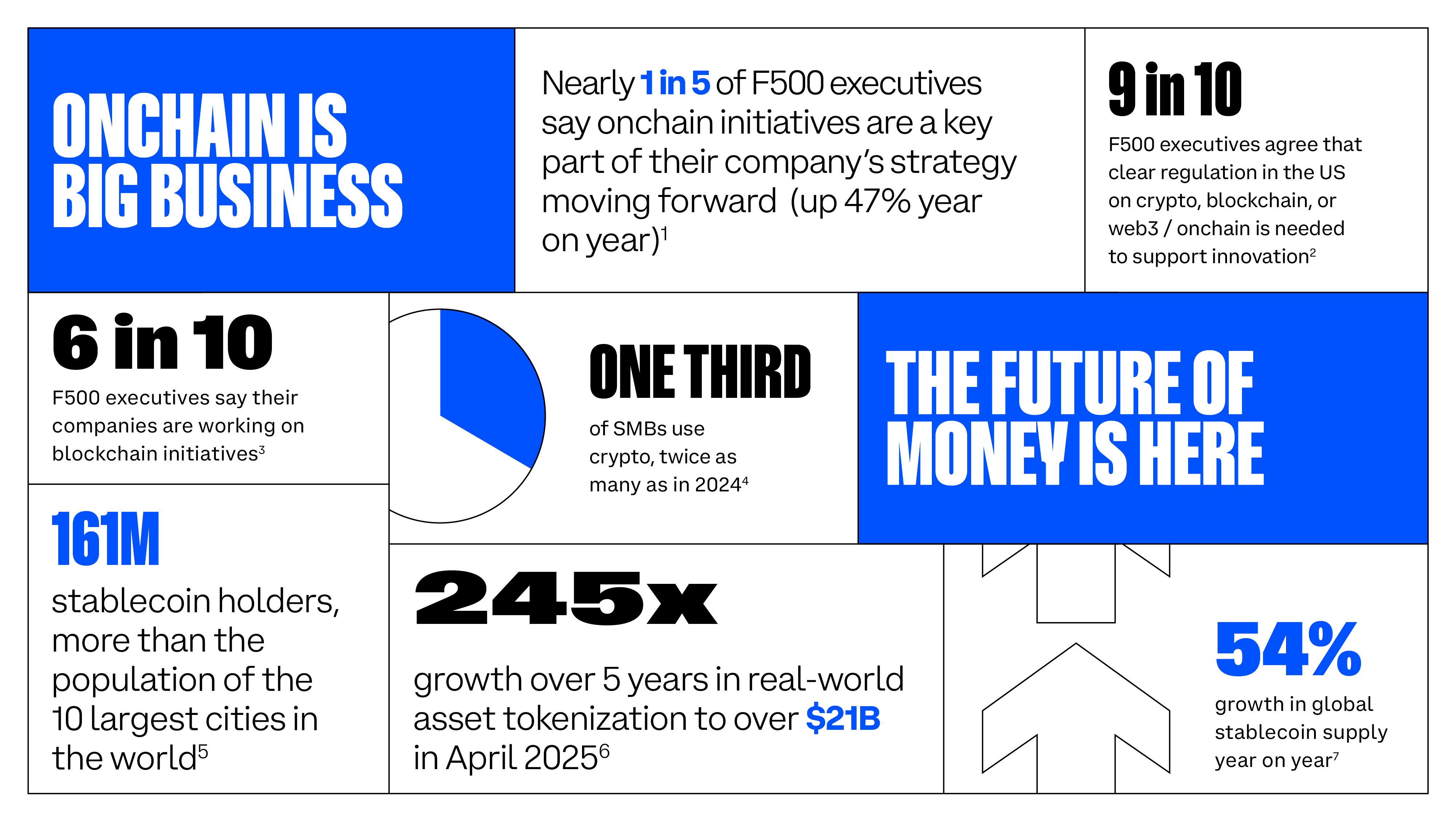
The convergence of traditional credit infrastructure and digital assets is accelerating. As more consumers integrate crypto holdings into their daily financial lives, the market for crypto credit cards is expanding rapidly. Business Research Insights projects the sector will grow from approximately $3.81 billion in 2026 to $10.71 billion by 2035, reflecting a compound annual growth rate of 19%. This expansion signals a shift from niche experimentation to mainstream utility.
This growth is driven by increased adoption among American consumers. Recent data indicates that roughly 12 million more Americans became crypto holders in 2026, widening the pool of potential users for hybrid financial products. These new users often seek the rewards and credit-building benefits of traditional cards while maintaining exposure to digital assets. Lenders are responding by adjusting lending criteria and loan-to-value (LTV) ratios to accommodate this hybrid behavior.

The rise of these products is forcing a reevaluation of credit scoring infrastructure. Traditional bureaus are beginning to incorporate alternative data points, including on-chain activity and stablecoin holdings, to assess risk more accurately. As regulations clarify the status of crypto assets, lenders can offer more competitive LTV ratios, reducing the friction for borrowers who use digital collateral. This evolution creates a more transparent lending environment where credit scores reflect a broader picture of financial health.
Risks and regulatory compliance checks
Using an unregulated platform for crypto-backed loans carries significant hidden costs that extend beyond interest rates. The most critical risk is the failure to report payment history to major credit bureaus like Experian, Equifax, and TransUnion. Without this reporting, your responsible borrowing behavior remains invisible to traditional lenders, preventing you from building a hybrid credit profile that bridges on-chain activity with off-chain financial health.
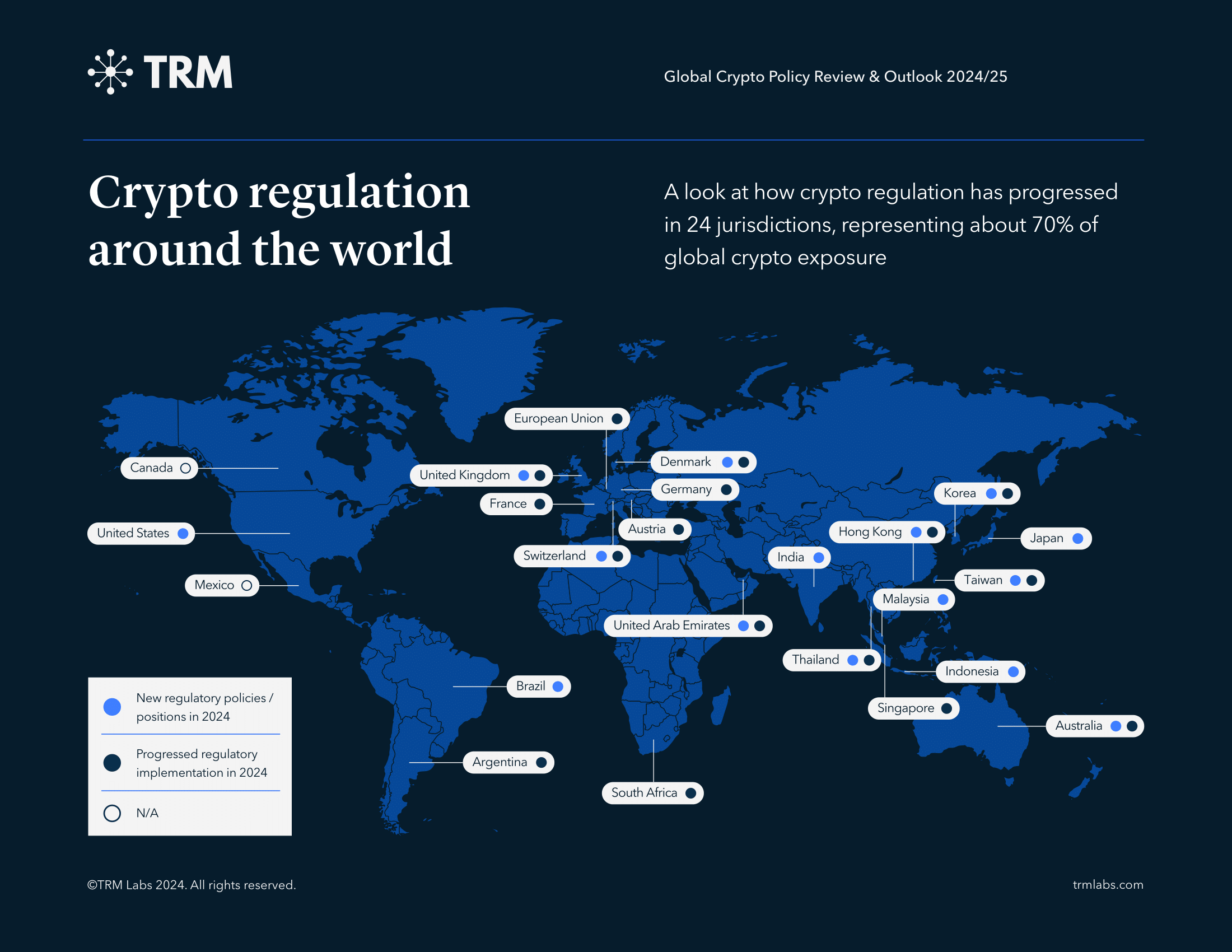
Regulatory compliance ensures that lending entities adhere to strict anti-money laundering (AML) and know-your-customer (KYC) standards. These frameworks protect borrowers from predatory terms and provide legal recourse in the event of platform insolvency or fraud. Institutions that operate within these boundaries also undergo regular audits, ensuring that their loan-to-value (LTV) calculations are transparent and mathematically sound.
The absence of regulatory oversight often correlates with higher risks of operational failure. As noted in recent industry analyses, unregulated entities may lack the reserve requirements necessary to withstand market volatility, leaving borrowers vulnerable to sudden liquidation events. Choosing a regulated lender mitigates this exposure by ensuring that your collateral is held in segregated, audited accounts.
Compliant platforms contribute to the broader stability of the crypto lending ecosystem. By adhering to official reporting standards, they help normalize crypto assets as legitimate collateral for traditional financial products. This alignment is essential for the long-term viability of crypto credit scores, as it encourages mainstream financial institutions to integrate on-chain data into their risk assessment models.
No comments yet. Be the first to share your thoughts!