
Crypto credit score 2026 limits to account for
Your traditional FICO score tells a bank about your history with fiat debt. It does not see your on-chain activity. A crypto credit score translates that hidden history into a metric lenders can actually read. As the 2026 Global Crypto Regulation Framework takes hold, this translation becomes mandatory for institutional lending.
Currently, no single agency issues a universal "crypto credit score." Instead, firms like Gio Ratings and similar providers build counterparty risk scores using daily on-chain data. These scores measure how reliably an exchange or custodian handles assets. For individual borrowers, lenders use similar data points to estimate default risk before extending DeFi credit.
The 2026 constraint is simple: if you cannot prove your on-chain reputation through verified data, you cannot access institutional capital. Traditional credit bureaus will not pull your wallet history. You must provide the evidence yourself. This shift forces a clear distinction between users who maintain clean transaction histories and those who do not.
| Data Source | Scope | 2026 Role | Limitations |
|---|---|---|---|
| Traditional Bureau (FICO) | Fiat debt history | Secondary verification | Ignores crypto activity |
| On-Chain Analytics | Wallet behavior & history | Primary credit signal | Requires self-reporting |
| Institutional Ratings | Counterparty risk | Lender benchmark | Focuses on entities, not users |
Crypto credit score 2026 choices that change the plan
The 2026 global regulatory framework shifts how creditworthiness is measured in decentralized finance. Traditional FICO scores no longer capture on-chain behavior, creating a dual-track system where institutional credit scores and on-chain reputation metrics coexist. Understanding the tradeoffs between these models is essential for borrowers and lenders navigating the new compliance landscape.
Collateralized vs. Unsecured Lending
The most significant tradeoff lies in the type of loan structure. Collateralized loans, such as borrowing against Bitcoin, remove traditional credit barriers entirely. Lenders rely on over-collateralization rather than credit history, making this the most accessible option for users with no established on-chain identity. However, this model introduces liquidation risk; if the collateral value drops below the required threshold, the position is automatically sold, potentially resulting in total loss of the underlying asset.
On-Chain Identity and Privacy
On-chain credit scores offer transparency but require public wallet activity. Lenders can assess risk based on transaction history, loan repayment consistency, and asset diversity. This creates a portable credit reputation that travels across protocols. The tradeoff is privacy. Building a high on-chain score requires revealing your financial history to the public ledger. In contrast, traditional unsecured loans offer privacy but are often inaccessible to DeFi users who lack a fiat credit history.
Regulatory Compliance Costs
The 2026 framework introduces stricter Know Your Customer (KYC) requirements for larger DeFi lending positions. While smaller transactions may remain permissionless, higher-value loans now require identity verification to comply with anti-money laundering laws. This adds friction and time to the borrowing process. The benefit is increased institutional participation, which can lead to lower interest rates for compliant borrowers. However, it reduces the censorship-resistant nature of early DeFi.
| Feature | Collateralized Loan | On-Chain Score | Traditional Unsecured |
|---|---|---|---|
| Credit Check Required | No | Yes (On-Chain) | Yes (FICO) |
| Privacy Level | High | Low | High |
| Liquidation Risk | High | None | None |
| KYC Requirement | Varies | Varies | Yes |
| Accessibility | High | Medium | Low |
How the 2026 Global Crypto Regulation Framework Impacts Your DeFi Credit Score
The 2026 regulatory landscape shifts how institutions view on-chain behavior. Your DeFi credit score is no longer just a reflection of collateral value; it is now a dynamic metric influenced by compliance adherence, jurisdictional transparency, and counterparty risk. This section outlines the practical steps to protect and improve your score under the new framework.
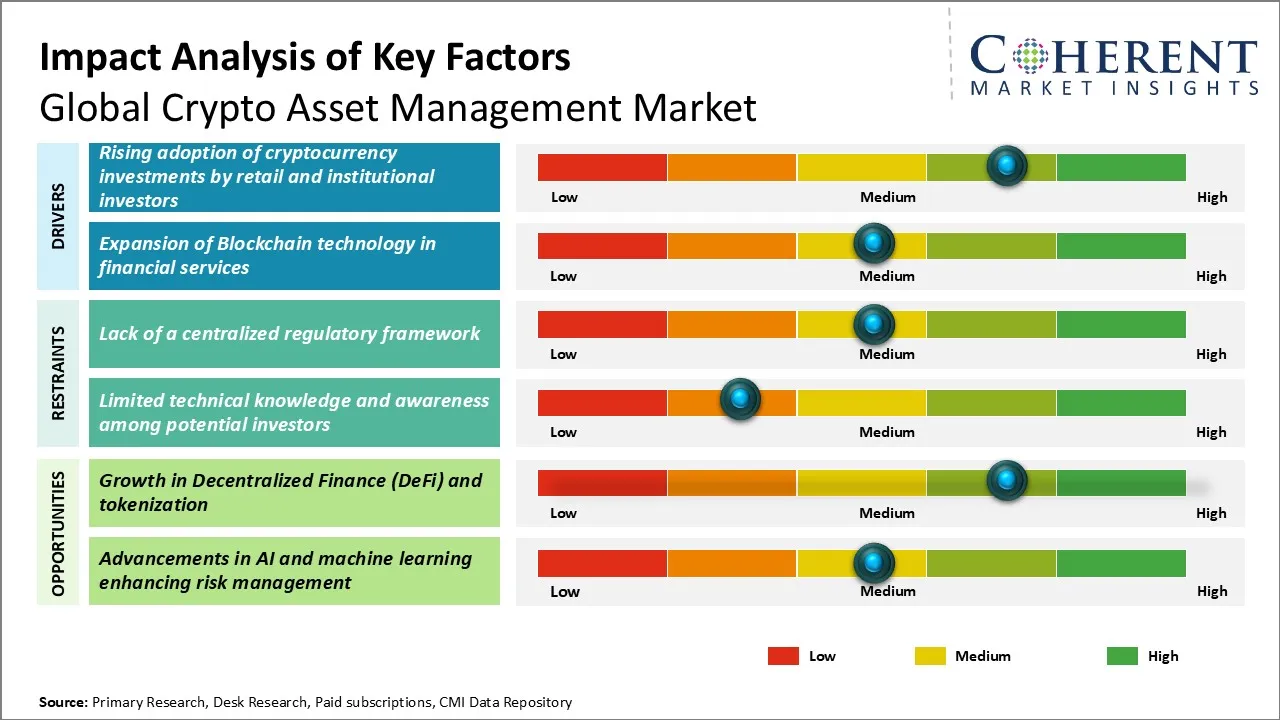
Institutions now weight the stability of the exchange or custodian you use. Ratings from providers like Gio Ratings assess daily on-chain data to score these entities. If your primary lending platform receives a downgrade due to regulatory scrutiny, your associated credit exposure may be flagged. Choose platforms with transparent, audited reserves and clear compliance structures.
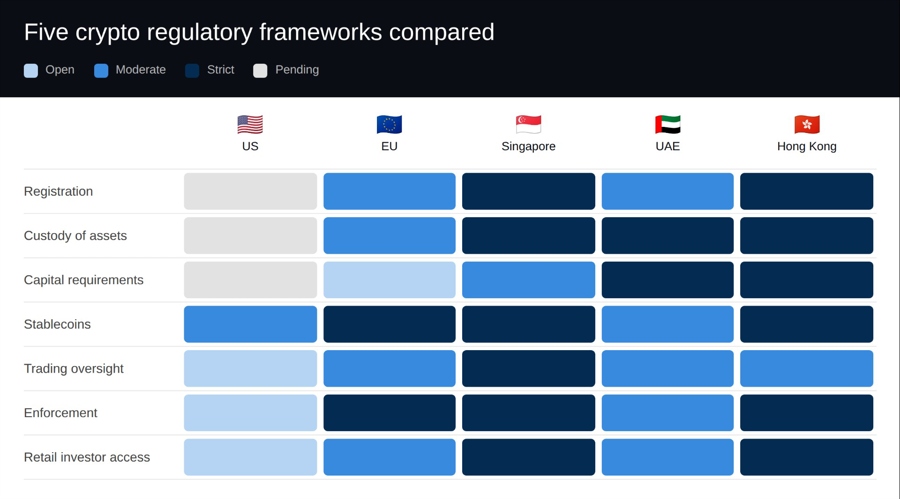
The new framework requires clear identification of where your assets are held. Anonymous or offshore-heavy activity is increasingly penalized in credit models. Ensure your wallet addresses and transaction histories are linked to verifiable identities where required. This "know-your-transaction" approach reduces the risk premium lenders apply to your profile.
Your credit score reflects consistency. Frequent, small transactions to unverified mixers or high-risk protocols can trigger risk flags. Maintain a history of stable, long-term holdings and repayments. Avoid sudden, large withdrawals that suggest liquidity stress. Consistent, predictable behavior is the most effective way to signal reliability to algorithmic credit models.
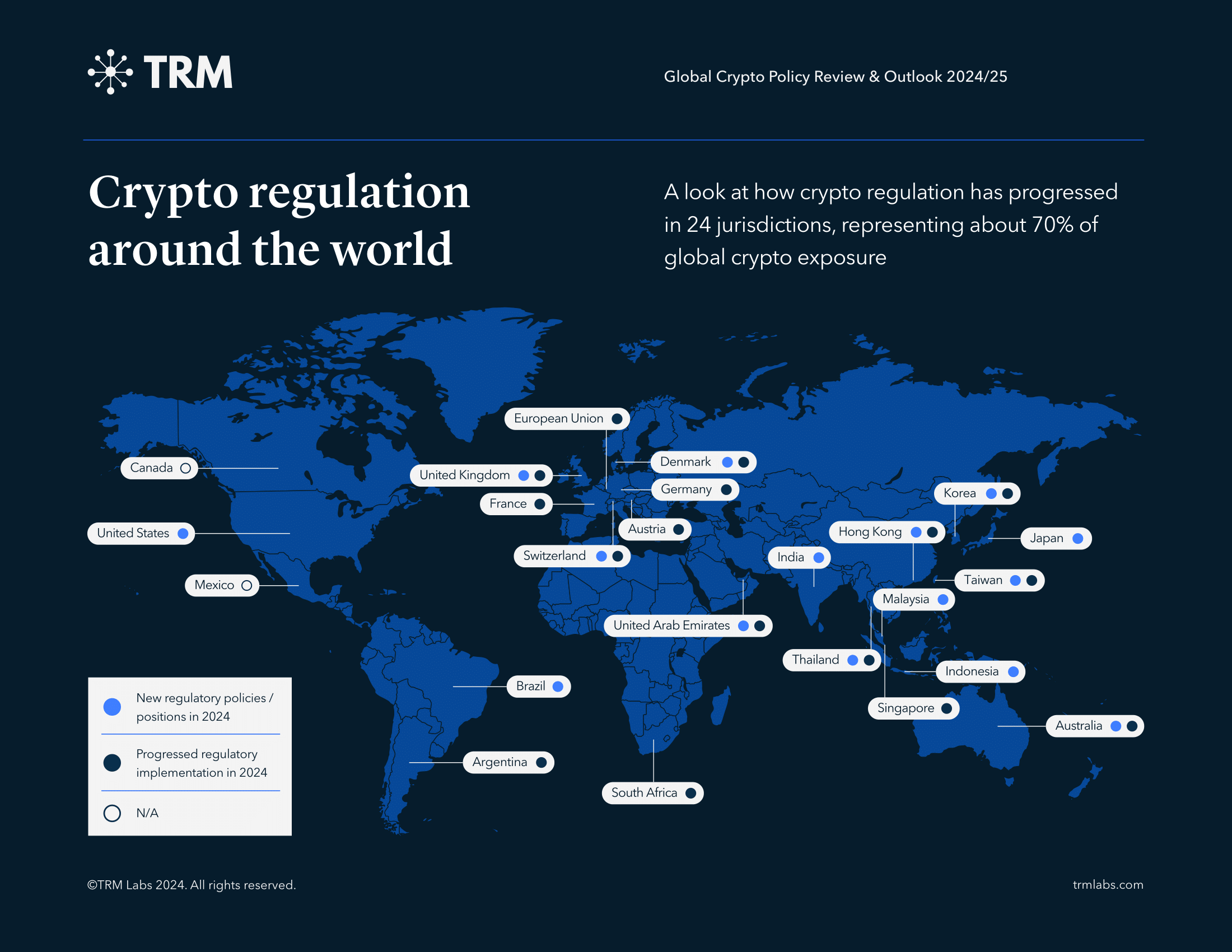
Relying on a single non-compliant protocol creates a single point of failure. Spread your exposure across multiple platforms that have proactively adapted to 2026 regulations. This diversification protects your score if one platform faces regulatory shutdowns or liquidity freezes. A balanced portfolio of compliant assets demonstrates financial resilience.
| Metric | Impact on Score | Recommended Action |
|---|---|---|
| Counterparty Stability | High | Use audited, regulated exchanges |
| Jurisdictional Clarity | Medium | Verify wallet origins and reporting |
| Transaction Consistency | High | Avoid high-risk protocols and mixers |
| Portfolio Diversification | Medium | Spread exposure across compliant platforms |
Spotting Misleading Claims and Weak Options
The 2026 global crypto regulation framework introduces stricter counterparty risk disclosures, but not all platforms are ready. Many DeFi protocols still rely on opaque oracles that fail to capture real-time liquidation risks. GIO Ratings highlights that daily on-chain data is essential for accurate credit scoring, yet many users ignore these updates until it is too late.
Avoid platforms that promise instant credit score boosts without transparent data sources. Weak options often lack regulatory compliance, exposing you to sudden protocol failures. The biggest killer of credit scores remains unexpected debt accumulation, which is amplified in DeFi when leverage is auto-liquidated without warning.
Use official sources to verify protocol health. A comparison table of regulated vs. unregulated lenders shows that compliance adds a layer of safety, though it may reduce yield. Prioritize protocols that publish audited risk reports and maintain sufficient collateralization ratios to survive market volatility.
Crypto credit score 2026: what to check next
The 2026 Global Crypto Regulation Framework introduces new transparency requirements for DeFi lenders, but it does not replace your traditional FICO score. Understanding how these systems interact is critical for managing your borrowing capacity.
No comments yet. Be the first to share your thoughts!