
Crypto credit score 2026 limits to account for
The 2026 SEC regulations have tightened the bridge between traditional finance and decentralized lending, creating a new constraint on how crypto activity influences your credit profile. Previously, holding Bitcoin or Ethereum was invisible to credit bureaus. Now, the regulatory push for transparency means that on-chain behavior is increasingly factored into risk assessments for high-stakes lending.
This shift does not mean every crypto transaction will appear on your report. Instead, the constraint lies in counterparty risk. Lenders now scrutinize the stability of the platforms where you hold assets. If you lend through a protocol or exchange flagged for compliance gaps, that instability can indirectly suppress your borrowing power, even if your payment history is pristine.
Institutions like Fitch Ratings and gio Ratings are already mapping these risks using on-chain data. Their daily updates provide a real-time view of counterparty health. For borrowers, this means your "crypto credit score" is less about your wallet balance and more about the regulatory standing of the venues you use. Choosing compliant, audited platforms is no longer just a safety measure—it is a credit strategy.
Crypto credit score 2026 choices that change the plan
The 2026 SEC regulations have forced a split in how creditworthiness is calculated for digital asset users. Traditional bureaus still ignore on-chain activity, while new "crypto-native" models use blockchain data to assess counterparty risk. Understanding this divide is essential for anyone navigating DeFi lending or seeking regulated credit.
Traditional vs. Crypto-Native Scoring
Traditional credit scoring relies on historical loan repayment data from banks. It does not see your crypto holdings or DeFi activity. This means you can hold significant digital assets but still appear "thin-file" to a lender.
Crypto-native scoring, led by firms like gio Ratings and Fitch Ratings, analyzes on-chain behavior. It looks at wallet stability, transaction frequency, and counterparty risk on exchanges. This data bridges the gap for crypto-heavy users who lack traditional credit history.
Key Tradeoffs to Evaluate
When choosing a credit path in 2026, weigh these factors carefully:
- Data Visibility: Traditional scores hide your crypto assets. New models make them visible to lenders, potentially lowering borrowing costs but increasing privacy exposure.
- Regulatory Alignment: SEC-compliant lenders may only accept scores from verified, on-chain audited sources. Unverified DeFi scores might not be recognized for fiat loans.
- Risk Assessment: Traditional scores penalize late payments heavily. Crypto models may penalize high-leverage positions or unstable collateral ratios more severely.
Comparison of Scoring Models
| Feature | Traditional Credit Score | Crypto-Native Score |
|---|---|---|
| Data Source | Bank loans, credit cards | On-chain transactions, wallet history |
| Regulatory Status | Fully recognized by SEC | Emerging, varies by institution |
| Privacy Level | High (no crypto data) | Lower (public blockchain data) |
| Best For | Traditional fiat loans | DeFi lending, crypto-backed loans |
Market Context
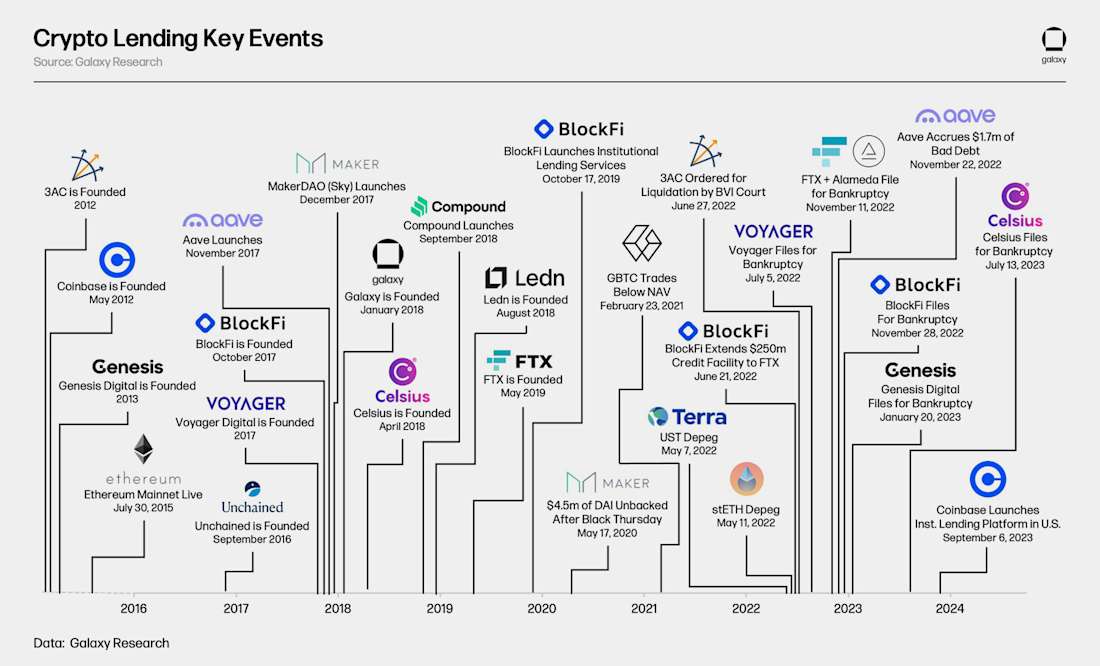
The value of collateral and the stability of lending protocols are directly tied to market conditions. A drop in asset prices can trigger liquidations, affecting your on-chain credit standing in real-time.
How to plan around the 2026 credit and DeFi landscape
The 2026 SEC crypto regulations have shifted the baseline for how digital assets interact with traditional credit systems. For borrowers, this means the old assumption that "crypto doesn't affect your credit score" is no longer a safe strategy. Regulatory clarity has brought institutional-grade risk assessment tools into the mainstream, making counterparty and asset risk visible to credit bureaus and lenders alike.
To protect your financial standing while participating in decentralized finance, you need a structured approach. This framework breaks down the decision process into actionable steps, focusing on compliance, risk mitigation, and credit preservation.
Before making any moves, map out every position. Identify which assets are held in self-custody wallets versus regulated exchanges. Under the new SEC guidelines, assets on non-compliant platforms may be flagged as high-risk by institutional lenders, potentially impacting your debt-to-income ratio calculations if disclosed.
Lenders are increasingly using alternative data sources to assess risk. Review your credit report for any hard inquiries related to crypto lending platforms or digital asset-backed loans. Even if these don't appear on your traditional FICO score, they may be tracked by specialized crypto credit bureaus like Gio Ratings, which assess counterparty risk based on on-chain data.
Not all DeFi protocols are created equal under the 2026 rules. Prioritize platforms that have implemented KYC (Know Your Customer) and AML (Anti-Money Laundering) checks. Using non-compliant protocols can lead to frozen assets or reported defaults, which directly harm your credit score. Look for protocols that publish regular audit reports and comply with SEC reporting standards.

Stablecoins are the bridge between crypto and credit. In 2026, only stablecoins issued by regulated financial institutions are considered "safe" collateral by most lenders. Holding assets like USDC or PYUSD, which are backed by audited reserves and comply with state money transmitter laws, reduces the risk of de-pegging and protects your credit profile from sudden market volatility.
Set up alerts for any changes to your credit score. The integration of crypto data into credit reporting is gradual but accelerating. If you notice a drop in your score without a clear traditional reason, investigate whether a crypto lending platform reported a late payment or a high utilization ratio. Early detection allows you to dispute inaccuracies before they compound.
Watch for misleading claims
The 2026 SEC regulations tighten DeFi lending, but not all warnings are equal. Some platforms still promise "credit-score-friendly" on-chain lending while hiding high liquidation risks. These weak options often lack clear fee structures or transparent collateral ratios.
Beware of platforms that claim no credit check means no risk. In reality, smart contract exploits or oracle failures can wipe out your position faster than a traditional default. Always verify the platform’s audit history and insurance fund size.
Another common mistake is assuming stablecoins are risk-free. While pegged to the dollar, they can depeg during market stress. This affects your loan-to-value ratio instantly. Stick to platforms with proven resilience during past volatility spikes.
How to spot weak options
Look for platforms with vague documentation or no clear governance model. These are red flags. Strong platforms publish regular reports on reserve backing and liquidation thresholds.
Also, avoid platforms that don’t clearly state their interest rate calculation method. Some use variable rates that spike unexpectedly. Fixed-rate options, though less common, offer more predictability.
Finally, check if the platform supports over-collateralization. Under-collateralized loans are rare in DeFi and often signal higher risk. If a platform offers them, proceed with extreme caution.
No comments yet. Be the first to share your thoughts!