
The crypto credit score 2026 limits to account for
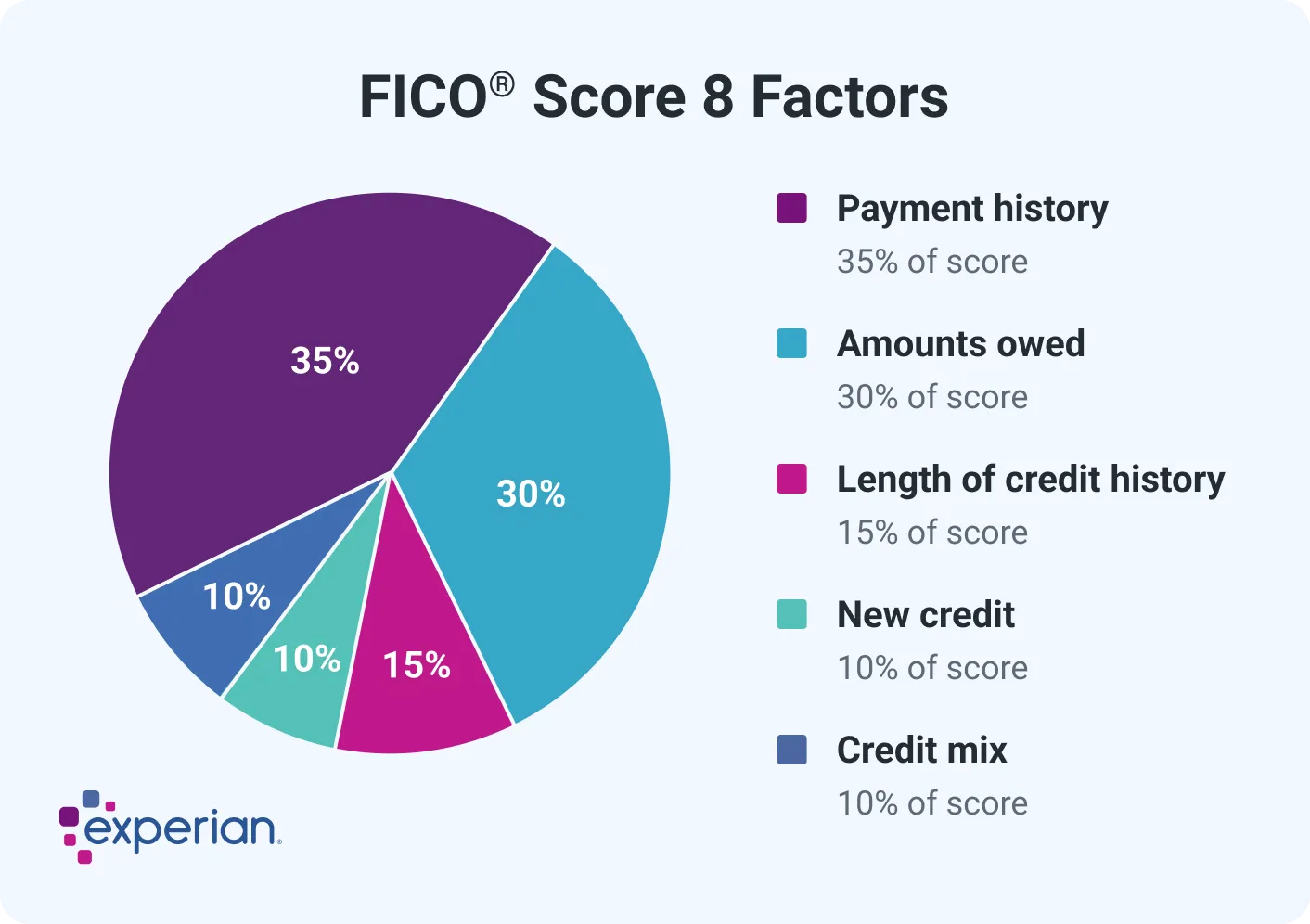
The traditional credit score—built on FICO’s closed-loop model—faces a hard ceiling in 2026. It measures repayment history, debt utilization, and credit age, but it remains blind to the $2 trillion+ in digital assets held outside the banking system. For millions of crypto holders, this creates a "thin file" problem: you can be a high-net-worth individual with significant collateral, yet appear as a credit risk to traditional lenders because you lack a paper trail of utility bills or mortgage payments.
The "crypto credit score 2026" refers to the emerging attempt to bridge this gap. By tapping into blockchain data, new scoring models aim to assess counterparty and asset risk in real-time. Unlike FICO, which looks backward, these on-chain metrics look at current liquidity, wallet diversity, and transaction consistency. The goal is to render DeFi lending and traditional crypto-backed loans more robust and inclusive for those who have been excluded from the legacy system.
However, this shift is constrained by regulatory fragmentation and data privacy laws. Traditional credit bureaus are slow to integrate on-chain data, and most crypto-native scores are not yet reportable to Equifax or TransUnion. As a result, the primary utility of a crypto credit score in 2026 is often internal to specific platforms—allowing you to borrow against your assets at better rates within the ecosystem, rather than improving your ability to get a conventional home loan. The constraint is clear: until on-chain identity is standardized and legally recognized, your crypto wealth remains largely invisible to the broader credit economy.
Crypto credit score 2026 choices that change the plan
Using crypto collateral to build credit in 2026 is not a simple deposit-and-earn process. The mechanism relies on a fundamental tension: your on-chain activity is transparent to the protocol, but traditional credit bureaus often remain blind to it unless a specific reporting partnership exists. Evaluating these loans requires looking past the headline interest rates to understand how your collateral behavior translates into a traditional FICO or VantageScore.
The primary tradeoff involves liquidity versus credit building. When you lock Bitcoin or Ethereum as collateral, that capital is idle. You are effectively paying opportunity cost for the credit line. If the asset appreciates significantly, you miss out on those gains while paying interest on a loan that could have been avoided. Conversely, if the asset crashes, you face liquidation risks that can wipe out your principal before any credit score benefit materializes.
Another critical factor is the data reporting layer. Not all crypto-lending platforms report payment history to the major credit bureaus. Some "crypto-native" scoring models, which analyze blockchain transaction history, offer a more holistic view of your financial health but are not yet widely accepted by traditional mortgage lenders. You must verify if the platform reports to Equifax, Experian, and TransUnion. Without this reporting, your responsible repayment of a crypto loan will have zero impact on your traditional credit score, rendering the exercise purely for yield generation rather than credit repair.
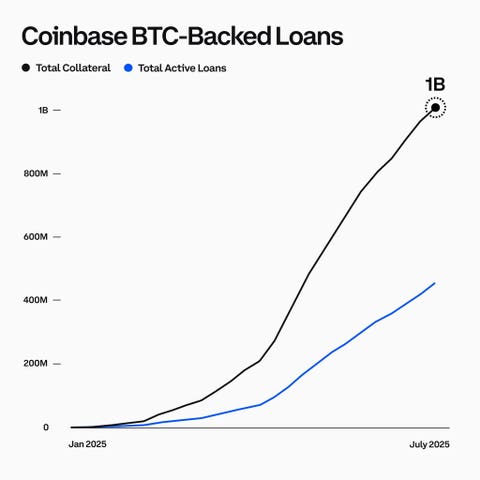
To help you compare these tradeoffs, the table below outlines the key variables across common lending structures. We also include live market data to contextualize the volatility risk inherent in these products.
| Feature | Traditional Secured Loan | Crypto Collateral Loan | Primary Risk |
|---|---|---|---|
| Credit Reporting | Yes (Standard) | Varies (Check Platform) | No score impact if unreported |
| Capital Efficiency | Low (Tied to Cash) | High (Held in Wallet) | Liquidation on price drop |
| Interest Rates | Low (Prime-based) | Variable (Market-based) | Rate spikes during volatility |
| Approval Speed | Days to Weeks | Minutes to Hours | Over-leverage potential |
When selecting a platform, prioritize those with clear reporting policies and robust liquidation safeguards. The convenience of instant approval is tempting, but the long-term value depends entirely on whether that activity actually improves your creditworthiness in the eyes of traditional lenders.
Choose the next step
How Crypto Collateral Loans Are Reshaping Personal Credit Scores works best as a clear sequence: define the constraint, compare the realistic options, test the tradeoff, and choose the path with the fewest hidden costs. That order keeps the advice usable instead of decorative. After each step, pause long enough to check whether the recommendation still fits the reader's actual situation. If it depends on perfect timing, unusual access, or a best-case budget, include a simpler fallback.

The hidden risks of crypto collateral loans
Using crypto as collateral to build personal credit is a high-stakes experiment in 2026. While the promise of bridging on-chain activity with traditional credit scores is appealing, the current landscape is littered with misleading claims and weak options. Most platforms do not report to major bureaus like Experian or TransUnion, meaning your on-chain diligence may vanish the moment you default.
The primary risk lies in the opacity of the reporting mechanism. Even if a protocol claims to "boost" your score, it often relies on alternative data models that lenders rarely trust. Without hard evidence of bureau integration, you are essentially building credit on sand. A single liquidation event can wipe out your on-chain reputation, leaving you with no recourse in the traditional financial system.
Before committing capital, verify the lender's reporting partnerships. Do not rely on marketing promises about "crypto-native credit scores." Check if the data is actually transmitted to recognized credit agencies. If the answer is vague, treat the loan as a financial tool, not a credit-building strategy. The trade-off between liquidity and reputation is rarely worth the gamble.
Crypto credit score 2026: what to check next
Crypto-backed loans operate on collateral rather than credit history, meaning your traditional credit score does not determine approval. However, the relationship between digital assets and personal credit reports is nuanced and depends on how the loan is structured and reported.
Do crypto loans affect my credit score?
Most crypto collateral loans are not reported to the three major credit bureaus because they are secured by your assets, not your creditworthiness. This means borrowing against Bitcoin or Ethereum typically does not appear on your credit report. However, if you fail to repay the loan and the collateral is liquidated, the resulting debt may be sent to collections, which would negatively impact your credit score.
Can crypto lending help build credit?
Some specialized platforms and fintech lenders now report on-time repayments for crypto-backed loans to credit bureaus. This allows users to build a "crypto-native" credit history without a traditional SSN-based record. If your lender reports to Equifax, Experian, or TransUnion, consistent repayment can help establish or improve your credit profile over time.
What happens if the collateral value drops?
If the value of your crypto collateral drops below the loan-to-value (LTV) threshold, you will receive a margin call requiring additional funds or asset top-ups. Failure to respond triggers an automatic liquidation of your assets. While this action itself does not immediately hit your credit score, the remaining debt balance after liquidation becomes a liability that could be reported as delinquent if unpaid.
Should I use crypto loans to fix bad credit?
Using crypto loans to pay off high-interest debt can be effective if you have sufficient collateral and discipline. Since these loans do not require a hard credit pull, they avoid the initial score dip associated with traditional loan applications. However, this strategy only works if you have existing crypto assets; it is not a solution for those lacking collateral.
No comments yet. Be the first to share your thoughts!