
The 2026 Shift in Crypto Lending Rules
The landscape of digital asset finance is undergoing a fundamental structural change. What was once defined by speculative lending protocols and opaque risk models is now converging with traditional regulatory frameworks. By 2026, the concept of a crypto credit score 2026 is no longer just a theoretical metric for on-chain reputation; it is becoming a compliance necessity driven by new mandates designed to protect institutional capital and retail investors alike.
Historically, crypto-backed loans operated on a simple collateral basis: you lock up Bitcoin, you get a loan. Traditional credit history was irrelevant because the asset itself served as the guarantee. However, as the market matures, regulators are demanding greater transparency. Lenders are moving away from pure collateralization toward hybrid models that incorporate creditworthiness metrics. This shift means that your on-chain behavior—repayment history, wallet diversity, and transaction consistency—is being weighed alongside your collateral ratio.
Fitch Ratings and other major credit agencies have begun integrating digital asset data into their broader financial assessments. The goal is to create a unified view of risk that spans both traditional finance and decentralized ecosystems. For borrowers, this means that building a strong crypto credit score 2026 profile can lead to better loan-to-value ratios and lower interest rates. Conversely, poor on-chain conduct could result in stricter terms or exclusion from regulated lending platforms.
This evolution is not without its challenges. The integration of on-chain data with off-chain credit reporting requires robust privacy safeguards and standardized data formats. Yet, the direction is clear: the future of crypto lending is regulated, transparent, and deeply intertwined with traditional credit scoring mechanisms.
Why traditional credit scores miss crypto data
The standard FICO model and major credit bureaus operate on a closed loop of traditional financial activity: mortgages, auto loans, credit cards, and utility payments. This system was designed for the fiat era, long before decentralized finance existed. As a result, on-chain activity—wallet addresses, transaction history, and DeFi positions—remains invisible to these legacy algorithms. A user who consistently repays stablecoin loans or manages a healthy crypto portfolio generates no positive signal for a traditional credit score.
This data gap creates a blind spot in risk assessment. According to legal analysis from Cardozo Law School, relying solely on bureau data excludes a significant portion of the modern economy from creditworthiness evaluation. The absence of blockchain data means that a borrower’s actual financial discipline in digital assets cannot offset poor performance in traditional lending, nor can it be used to qualify for new forms of credit. The system does not recognize what it cannot see.
The consequence is a binary exclusion. Unless a borrower converts crypto to fiat and routes it through a traditional banking channel, that wealth remains opaque to lenders. This disconnect is the primary driver for the development of the crypto credit score 2026, which aims to integrate on-chain data into the lending decision. Without this integration, the current model fails to capture the true financial health of a growing segment of the market.
How on-chain history replaces credit checks
The crypto credit score 2026 landscape operates on a fundamentally different logic than traditional banking. Instead of relying on a FICO score or a lengthy employment history, DeFi protocols and regulated CeFi platforms evaluate borrower risk through on-chain data. This shift removes the traditional barriers of credit checks and lengthy approval processes, replacing them with transparent, algorithmic verification.
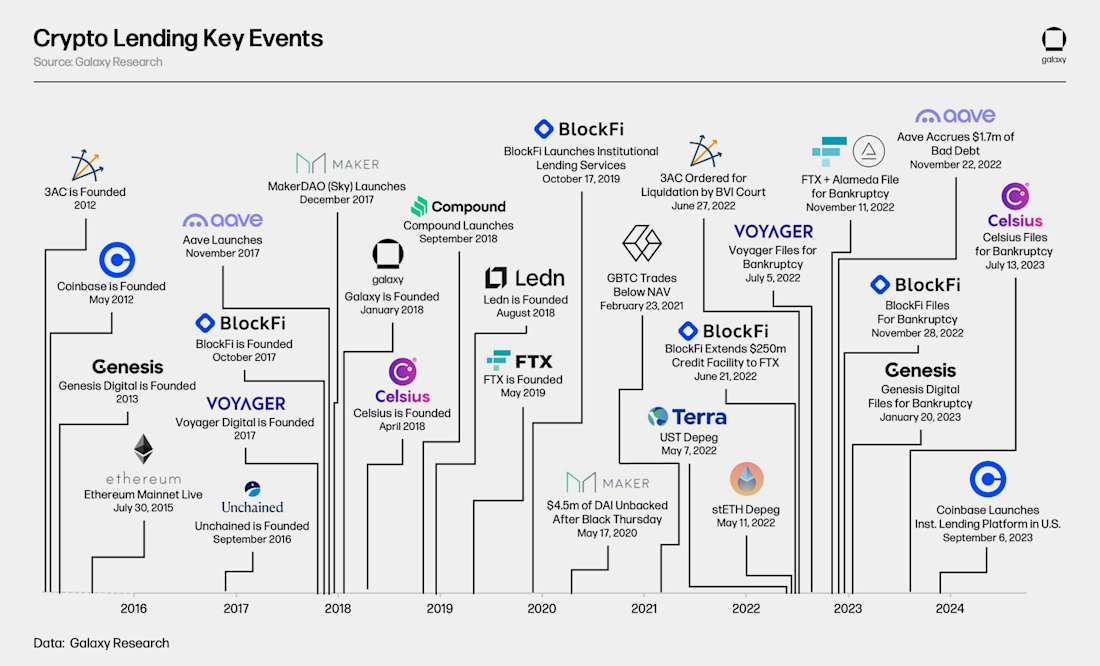
Wallet Age and Transaction History
Lenders now analyze the age of a wallet and the consistency of its transaction history. A wallet that has been active for several years with a steady flow of deposits and repayments signals reliability. This on-chain history serves as a digital resume, providing proof of financial discipline without the need for external verification agencies.
Collateralization Ratios
The core mechanism of crypto lending is overcollateralization. Borrowers must deposit assets worth more than the loan amount to secure the position. This ratio acts as a safety buffer against market volatility. If the value of the collateral drops below a certain threshold, the protocol automatically liquidates the assets to protect the lender. This mechanism eliminates the need for a credit check, as the loan is secured by tangible value rather than personal promise.
On-Chain Risk Metrics
Institutions and rating agencies now use on-chain data to measure counterparty and asset risk. Tools like Gio Ratings provide crypto credit ratings and counterparty risk scores for exchanges and custodians, powered by daily on-chain updates. This data allows lenders to assess the health of the underlying platforms and the behavior of borrowers in real-time.
| Metric | Traditional Credit Check | On-Chain Crypto Credit History |
|---|---|---|
| Primary Indicator | FICO Score / Credit History | Wallet Age & Transaction Volume |
| Security | Personal Guarantee / Income | Overcollateralization (Asset Backed) |
| Verification | Manual / Bureau Report | Automated Smart Contract |
| Privacy | Full Identity Disclosure | Pseudonymous Wallet Address |
| Impact on Score | Directly Affects Credit Report | No Impact on Traditional Credit |
This transition to on-chain verification creates a more inclusive lending environment. Borrowers who are unbanked or have poor credit histories can access capital based solely on their asset holdings and transactional behavior. The crypto credit score 2026 model prioritizes verifiable data over subjective creditworthiness, fundamentally reshaping how lending operates in the digital age.
Impact on crypto-backed loan approvals
The 2026 regulatory landscape has fundamentally altered how institutions underwrite crypto-backed loans. While these products remain collateral-based rather than credit-based, the shift toward stricter compliance frameworks has tightened approval criteria. Borrowers can no longer rely on the anonymity that once defined the sector; instead, lenders now demand rigorous verification of asset origin and identity.
This transition has directly influenced Loan-to-Value (LTV) ratios. Regulatory bodies, including the OCC and FinCEN, have pushed for higher overcollateralization to mitigate systemic risk. Consequently, the maximum LTV for major assets like Bitcoin has compressed. Where borrowers previously accessed 70-80% of their collateral value, current standards often cap these figures closer to 50-60% for volatile assets. This reduction forces borrowers to post more capital to secure the same loan amount, effectively increasing the cost of borrowing through opportunity cost.
Interest rates have also adjusted in response to these regulatory costs. Lenders are factoring in the expense of enhanced KYC/AML procedures and the potential for regulatory fines into their pricing models. As a result, base rates for crypto-backed lending have risen slightly compared to pre-2024 levels. However, these rates remain competitive with traditional secured lending because the collateral eliminates the risk of borrower default on the principal.
It is important to clarify a common misconception: taking out a digital asset loan does not typically affect your personal credit score. Since the loan is secured by your crypto holdings, non-payment results in the liquidation of the collateral, not a negative mark on your credit report. This feature remains a primary advantage for high-net-worth individuals who wish to access liquidity without liquidating their long-term holdings or triggering taxable events.
What borrowers need to know now
As regulatory frameworks harden, the definition of creditworthiness is shifting from traditional bureau data to on-chain activity. For the crypto credit score 2026, your transaction history, wallet age, and DeFi interaction patterns are becoming the primary signals lenders use to assess risk.
To prepare, borrowers should focus on building a clean, consistent on-chain history. This means avoiding frequent, small, high-risk interactions that may flag algorithms for instability. Instead, maintain steady engagement with established protocols and ensure your wallet addresses are not associated with sanctioned entities or high-risk mixers.
Regulated lending platforms will likely require more rigorous identity verification (KYC) alongside these on-chain metrics. Understanding that your digital footprint is now a permanent part of your financial identity is essential for accessing credit in this new environment.
Common questions about crypto credit
Does crypto affect credit score?
Buying or trading cryptocurrency generally does not show on your credit history. Even digital asset loans, which often bypass traditional underwriting, do not appear on your credit report. You can trade without impacting your credit score, provided you do not use borrowed funds or miss payments on traditional debt obligations tied to your financial identity.
Will crypto do better in 2026?
Market outlooks for 2026 depend on regulatory clarity and institutional adoption. While price volatility remains inherent, the integration of crypto assets into regulated financial products suggests a maturing market. Investors should monitor federal guidelines and major exchange compliance rather than relying on short-term speculation.
What is the biggest killer of credit scores?
The primary factor damaging credit scores is missed or late payments. High credit utilization—maxing out available credit limits—also significantly lowers scores. While crypto trading itself is neutral, using crypto-backed loans to cover traditional debt payments without maintaining a repayment schedule can indirectly harm your financial standing.
How rare is an 830 credit score?
An 830 credit score is exceptionally rare, representing the top tier of creditworthiness. Only a small fraction of consumers achieve this maximum rating, reflecting a long history of flawless debt management. In the context of 2026 lending, this score provides access to the most favorable terms, including lower interest rates on traditional loans.
No comments yet. Be the first to share your thoughts!