
DeFi credit score 2026
The 2026 DeFi credit score is not a single number but a dynamic reputation layer built on your on-chain history. Unlike traditional FICO scores, it evaluates your behavior across decentralized protocols, tracking how you manage loans, repayments, and collateral without relying on centralized bureaus. This shift moves credit evaluation from identity-based verification to activity-based proof.
Traditionally, lenders used static reports from agencies like Experian or Equifax. In 2026, DeFi protocols use smart contracts to record every interaction. Your score updates in real time as you interact with lending platforms like Aave or Compound. This transparency allows for instant access to capital, but it also means that a single missed payment or liquidation event can drop your score immediately.
The primary advantage is accessibility. Borrowers with no traditional credit history can build a score purely through DeFi activity. However, this comes with higher volatility. Traditional scores smooth out anomalies over time, while DeFi scores reflect current risk with precision. Understanding this difference is essential for anyone entering the decentralized credit market.
| Feature | Traditional Credit | DeFi Credit Score |
|---|---|---|
| Update Frequency | Monthly or quarterly | Real-time |
| Data Source | Bureaus (Experian, etc.) | On-chain transactions |
| Accessibility | Requires ID and history | Wallet address only |
| Impact of Missed Payment | Gradual decline | Immediate drop or liquidation |
Defi credit score 2026 choices that change the plan
Choosing a DeFi credit score in 2026 means balancing on-chain privacy against traditional lending accessibility. While the models are maturing, the infrastructure remains fragmented. You must evaluate how each protocol converts your transaction history into a usable metric for off-chain capital.
The primary tradeoff centers on data granularity versus privacy. Newer models like VantageScore 4.0 and the upcoming FICO 10T incorporate trended data, including rent and utilities, to fill thin-file gaps. DeFi protocols attempt a similar feat by analyzing wallet activity, but the interpretation of that data varies wildly between platforms. One protocol might view high-frequency trading as volatility risk, while another sees it as liquidity provision.
| Feature | ChainAware | Traditional Fintech | Privacy-First DeFi |
|---|---|---|---|
| Data Source | On-chain wallet history | Bank statements & utilities | Zero-knowledge proofs |
| Update Frequency | Real-time | Monthly | Event-driven |
| Lender Access | Direct API | FICO Score 10T | Manual review required |
| Privacy Level | Shared with partners | Shared with bureaus | Anonymous |
| Recovery Time | Immediate | 30-60 days | Instant |
ChainAware and similar platforms are building direct API integrations to allow instant loan approvals, mirroring the speed of traditional fintech but with on-chain data. In contrast, privacy-first protocols require manual underwriting, which slows down capital access but protects your identity. The FHFA expects to publish historical FICO 10T scores in summer 2026, which may further compress the advantage of traditional models by incorporating more alternative data points.
The decision ultimately depends on where you need capital. If you require liquidity within the crypto ecosystem, a DeFi credit score offers immediate utility and portability across protocols. If you are targeting traditional mortgage or auto financing, you will likely still need the FICO 10T or VantageScore 4.0, as most off-lender institutions have not integrated on-chain data into their underwriting models yet.
Choose the next step: Turn the research into a practical decision framework
The 2026 DeFi credit protocol doesn’t just update your score; it redefines what lenders see. Traditional models now pull in rent and utility payments, while on-chain activity provides a real-time ledger of your repayment habits. To navigate this shift, you need a concrete plan that balances your crypto assets with your growing on-chain reputation.
Follow these steps to align your strategy with the new scoring landscape.

Before you apply for any new credit, review your transaction history. Lenders now look at trended data, meaning consistent on-time repayments over six months weigh more heavily than a single large transaction. Identify any late payments or missed obligations in your DeFi interactions and address them immediately to prevent score drag.
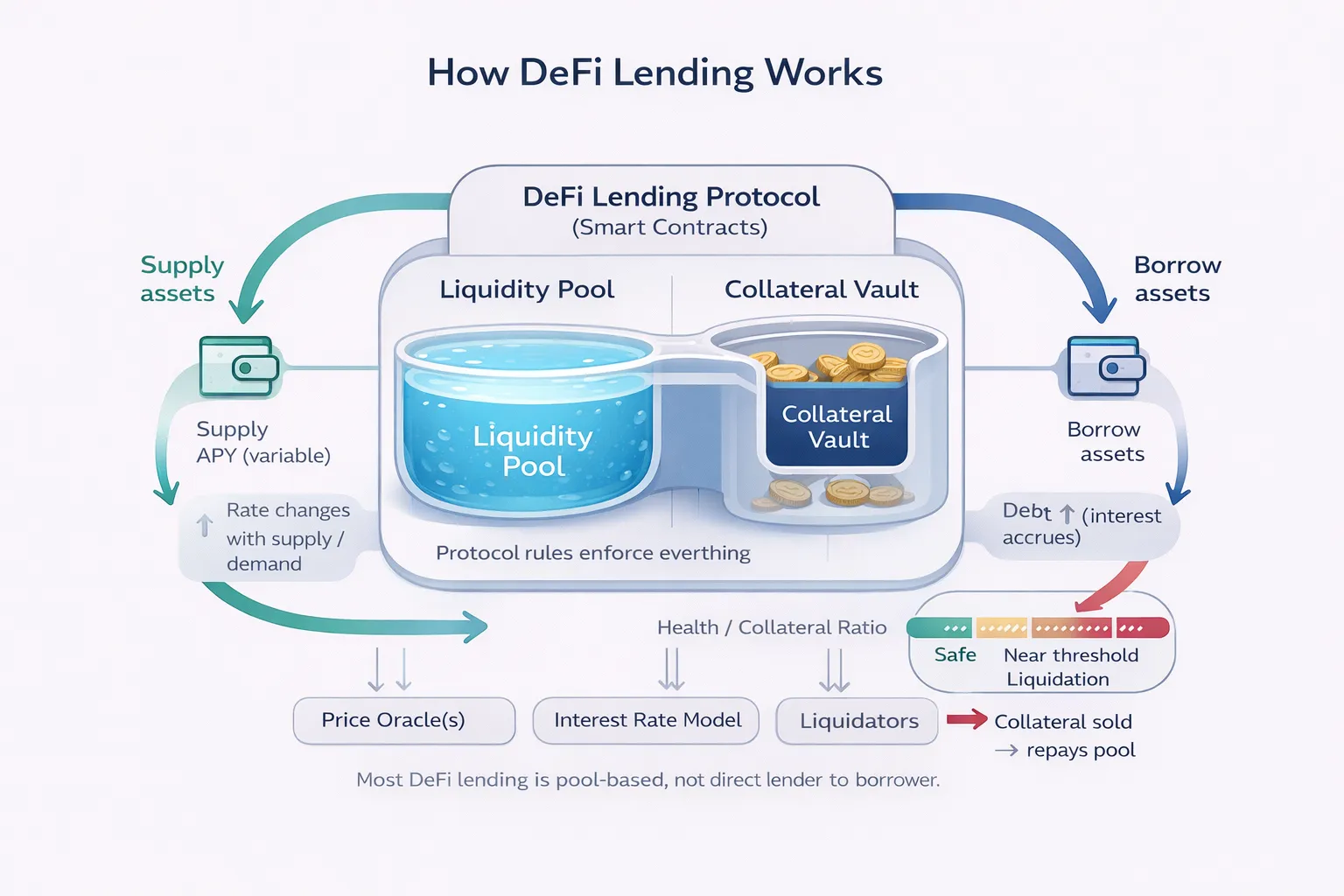
Newer models like VantageScore 4.0 allow lenders to consider rent, utilities, and telecom payments. Connect these traditional accounts to your credit profile where possible. This diversification helps offset gaps in your credit history and provides a more stable foundation for your overall score, bridging the gap between off-chain stability and on-chain agility.
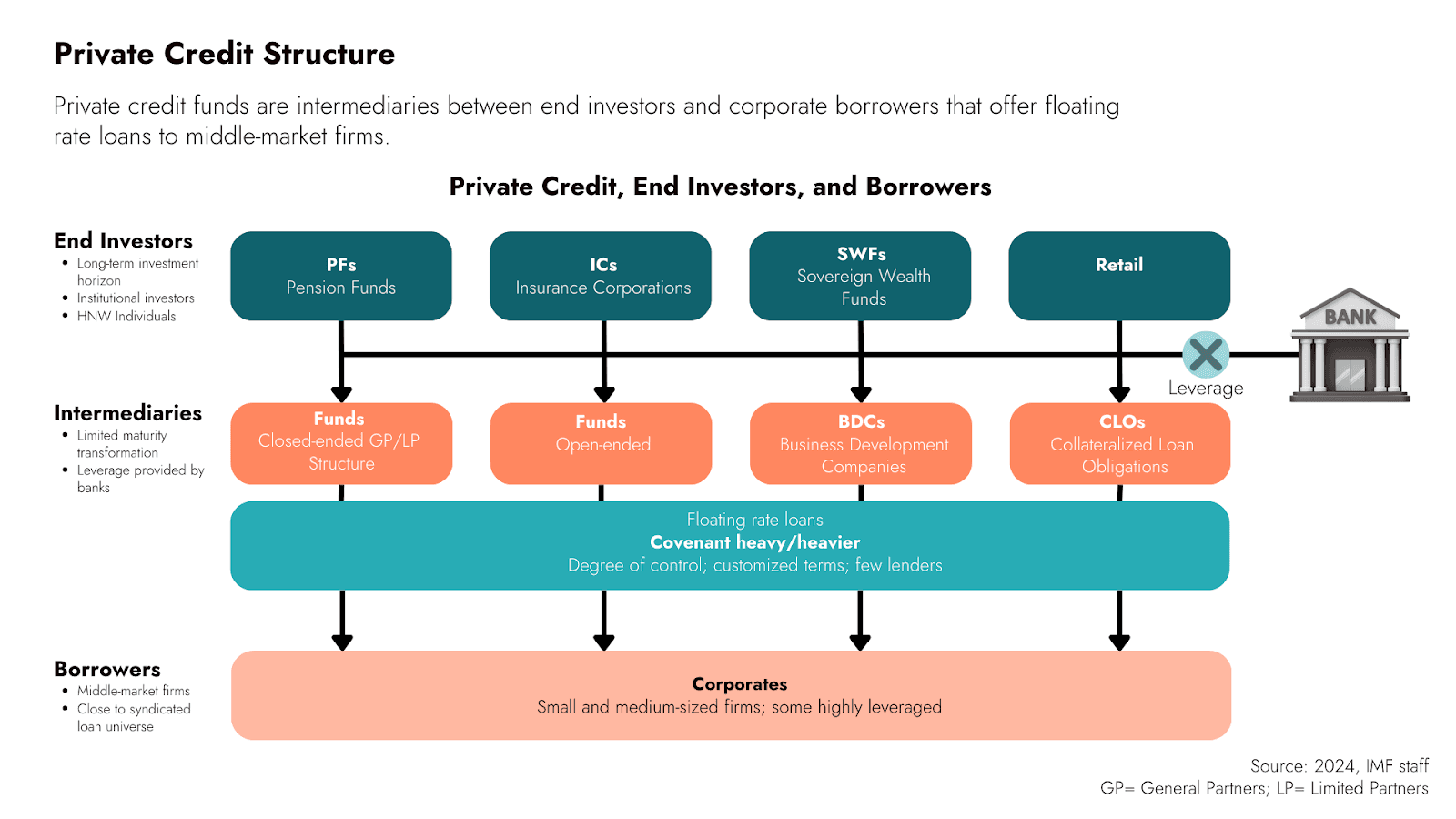
Not all DeFi protocols calculate scores the same way. Use a comparison table to evaluate platforms based on their specific scoring criteria. Look for lenders who explicitly state how they weight on-chain collateral versus traditional credit factors. This transparency ensures you understand exactly which actions will improve your standing.

Your crypto holdings are now part of the equation. Calculate your total debt-to-income ratio by including stablecoin loans and DeFi positions. High leverage on volatile assets can negatively impact your score, even if you are technically solvent. Aim for a conservative ratio to demonstrate financial stability to both traditional and decentralized lenders.
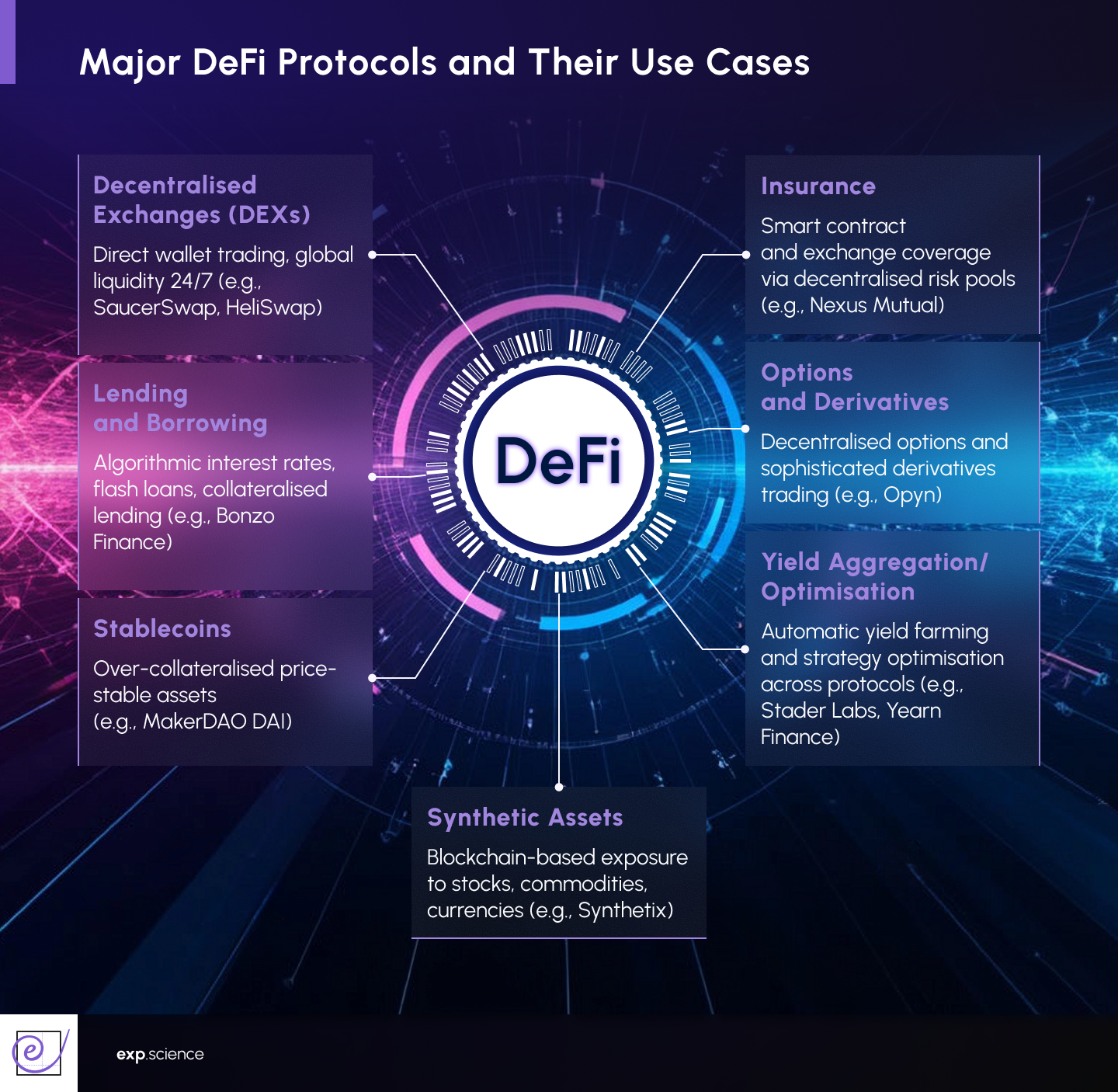
Since 2026 introduces multiple scoring models, your score may vary depending on who is looking. Monitor your score across different platforms to get a holistic view. If one model penalizes you for high DeFi usage while another rewards it, you can tailor your borrowing strategy to the specific lender you are targeting.
By following this framework, you move from passive observer to active manager of your credit health. The goal is not just a higher number, but a more resilient financial identity that works across both traditional and decentralized systems.
Spotting misleading credit score claims
The 2026 DeFi credit protocol narrative often conflates traditional FICO metrics with on-chain reputation. Be wary of protocols claiming "instant 750 scores" based solely on wallet history. This is a misleading claim. Traditional credit bureaus use trended data, rent, and utilities (VantageScore 4.0), while DeFi protocols primarily track on-chain liquidity and loan repayment behavior. These are not interchangeable.
Many platforms highlight "weak options" by ignoring off-chain liabilities. A high on-chain score does not forgive a 550 FICO score, which remains in the "Very Poor" range (300–579) and blocks traditional lending. Do not assume DeFi creditworthiness translates to better mortgage rates. Lenders still prioritize traditional models for major debt.
Focus on concrete tradeoffs. DeFi credit offers speed and privacy but lacks the broad utility of traditional scores for housing or auto loans. Compare protocols by their data sources: those using only on-chain data offer limited real-world applicability. Those integrating alternative data (rent, utilities) provide more holistic views but may compromise privacy. Choose based on your immediate need: liquidity access vs. traditional financial integration.
Defi credit score 2026: what to check next
The landscape is shifting. Traditional models like FICO 10T are rolling out, while DeFi protocols introduce on-chain alternatives. Here are the practical answers to common questions.
No comments yet. Be the first to share your thoughts!