
The crypto credit score landscape in 2026
Lending your Bitcoin to access cash doesn’t automatically build your credit profile. Traditional FICO scores still rely on bank-grade data that most DeFi protocols don’t report. If you are borrowing against crypto in 2026, you need to understand how these loans actually impact your financial standing and what tools are available to bridge the gap.
Institutional credit agencies like Fitch and Gio Ratings are now measuring counterparty risk and asset volatility in real-time. They use on-chain data to assess the stability of exchanges and custodians. This data helps lenders decide whether to report your repayment activity to major credit bureaus. Without this reporting, your loan activity remains invisible to traditional credit scoring models.
The key to improving your credit score with crypto is choosing lenders that report to Equifax, Experian, or TransUnion. Some platforms now offer this service, but only if you meet specific lending criteria. You must verify that your repayment history is being transmitted. Otherwise, you are just securing a loan without building any credit history.
When evaluating crypto-backed loans, look for platforms that explicitly state their reporting policies. Avoid lenders that keep their data siloed. The difference between a loan that builds your score and one that doesn’t comes down to data transparency. Check the lender’s terms before you lock in your collateral.
Crypto credit score 2026 choices that change the plan
When you borrow against crypto, the "credit score" you build is not a FICO number. It is a reputation ledger on-chain. This distinction matters because the tradeoffs between on-chain reputation and traditional credit access are fundamentally different. You are trading privacy for proof of solvency, and you are trading regulatory protection for speed.
The Privacy Cost of On-Chain History
To build a crypto-native credit score, you must expose your transaction history to rating agencies like GIO Ratings or DeFi protocols. This data is public and immutable. While this transparency allows lenders to assess your risk without a credit check, it also means your entire financial history is visible to anyone who knows your wallet address. If you value financial privacy, this is a significant tradeoff. Traditional loans keep your borrowing history siloed within banking institutions; crypto loans broadcast it to the world.
Volatility as a Hidden Interest Rate
In 2026, the biggest risk to your crypto-backed loan is not the interest rate, but the collateral value. If Bitcoin drops 20% in a week, your loan-to-value ratio spikes. Most protocols will liquidate your collateral automatically to cover the shortfall. This is a hard tradeoff: you gain access to liquidity without selling your assets (and triggering capital gains taxes), but you risk losing the assets entirely if the market turns. Traditional home equity loans do not liquidate your home if interest rates rise; they simply adjust your payment. Crypto loans adjust your solvency.
Regulatory Gaps and Dispute Resolution
Traditional credit scores are protected by the Fair Credit Reporting Act. If an error appears, you have legal recourse. In the crypto space, "crypto-native credit scores" are largely unregulated. If a protocol miscalculates your reputation or a smart contract exploits a loophole, you have no consumer protection agency to call. You are relying on code and community governance. This makes the tradeoff clear: you get faster, more inclusive access to capital, but you accept the risk of irreversible errors and lack of legal safety nets.
| Factor | Traditional Credit | Crypto Collateral | Tradeoff |
|---|---|---|---|
| Privacy | High (silenced data) | Low (public ledger) | Exposure vs. Speed |
| Risk of Loss | Foreclosure (slow process) | Instant Liquidation | Control vs. Liquidity |
| Dispute Resolution | Legal recourse (FCRA) | Code-based (none) | Protection vs. Autonomy |
| Eligibility | Income/History required | Collateral required | Barrier vs. Asset-lock |
How to Choose a Crypto Collateral Loan Platform
Selecting a platform for crypto collateral loans requires balancing liquidity needs against counterparty risk. Unlike traditional secured loans, these products rely on the stability of the collateral and the solvency of the lender. Your choice determines whether your assets remain accessible during market volatility or trigger a liquidation event.
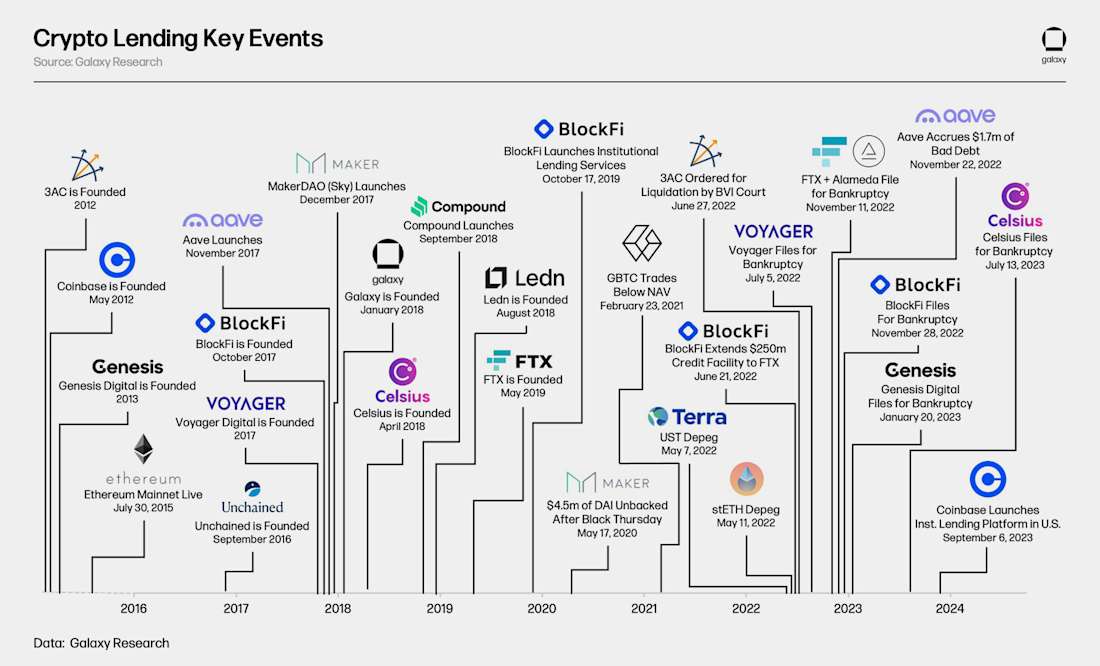
Prioritize platforms that provide proof of reserves and operate under clear regulatory frameworks. Institutions like Fitch Ratings and Gio Ratings offer independent assessments of counterparty risk, evaluating how exchanges and custodians manage assets. Avoid platforms that obscure their custody mechanisms or lack transparent audit trails.

LTV ratios define the maximum loan amount relative to your crypto collateral. A lower LTV (e.g., 50%) provides a larger buffer against price drops, while higher LTVs (e.g., 75%) offer more liquidity but increase liquidation risk. Check if the platform uses dynamic LTVs that adjust based on asset volatility.
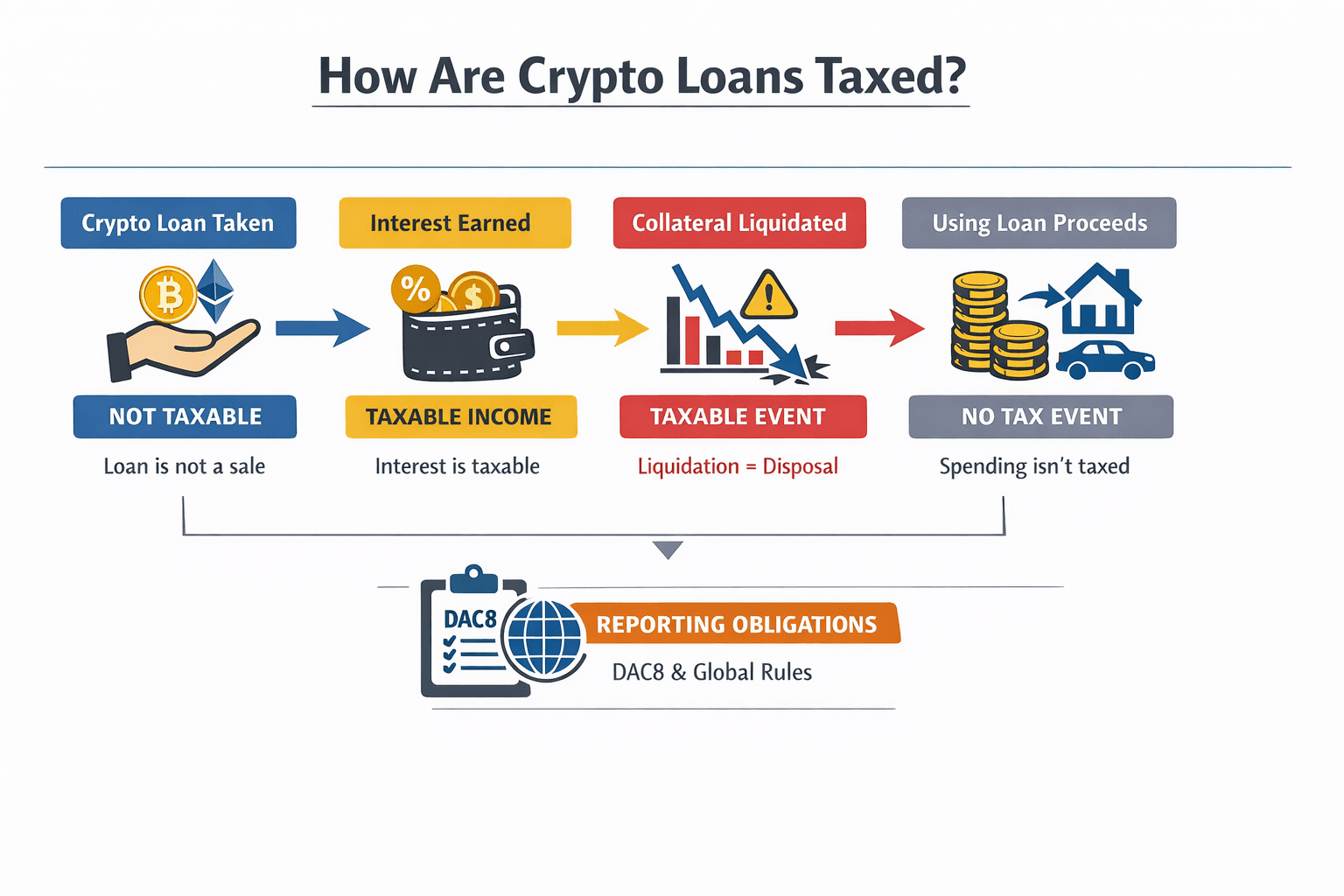
Interest rates on crypto loans are often variable and tied to market demand. Look for platforms that clearly distinguish between base rates, origination fees, and hidden withdrawal costs. Fixed-rate loans offer predictability but may come with higher initial premiums. Ensure the total cost of borrowing aligns with your financial goals.
Not all cryptocurrencies are accepted as collateral, and some platforms restrict withdrawals of your underlying assets during the loan term. Confirm that your specific assets are supported and check if you can withdraw collateral without penalty if market conditions change. Flexibility is critical if you need to rebalance your portfolio.
| Feature | Conservative Platform | Aggressive Platform |
|---|---|---|
| LTV Ratio | 50-60% | 70-80% |
| Regulatory Status | Fully Licensed | Unregulated/DeFi |
| Interest Type | Fixed | Variable |
| Custody Model | Audited Third-Party | Smart Contract |
Spotting the Weak Options
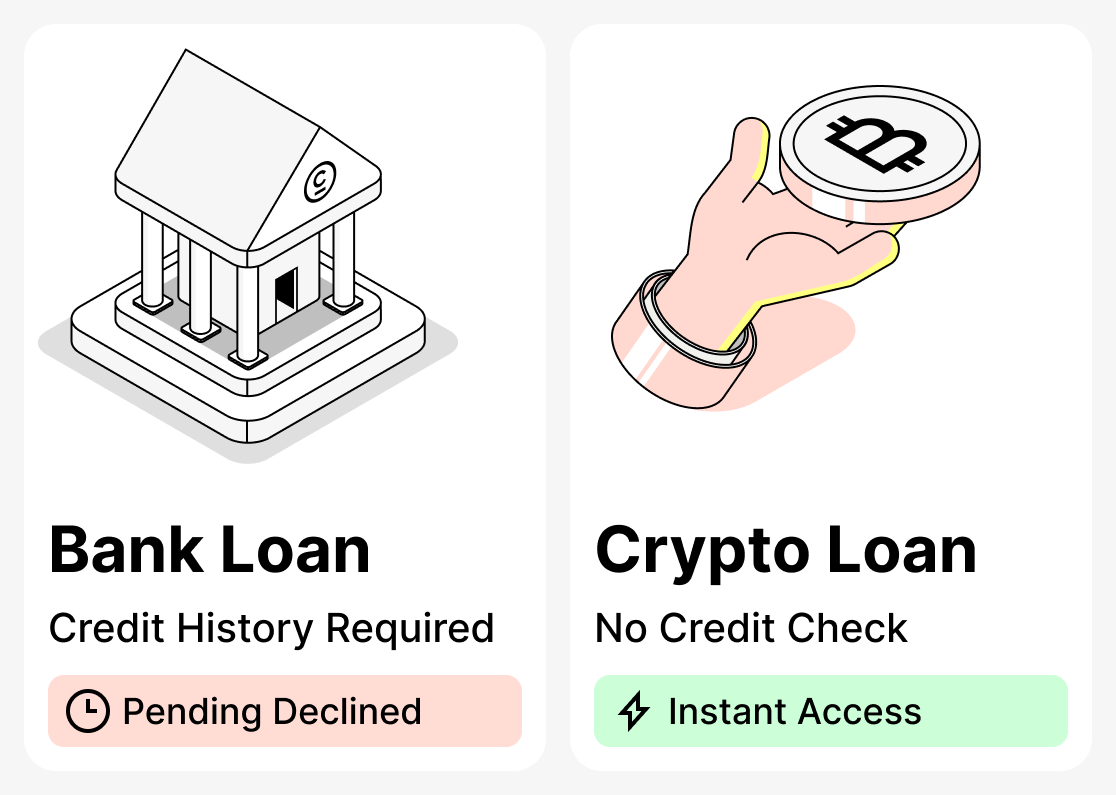
Not all crypto collateral loans are created equal, and several platforms rely on misleading claims to attract borrowers. The biggest trap is the "no credit check" promise. While it is true that these loans do not typically pull a hard inquiry from Equifax or TransUnion, they still require you to prove solvency through collateral. If you over-leverage your position, the loan terms can still reflect poorly on your broader financial profile, especially if you use the funds for traditional debt consolidation.
Another common mistake is ignoring the liquidation threshold. Many platforms advertise low interest rates but hide aggressive liquidation penalties. For example, a platform might offer 5% APR but liquidate your collateral if Bitcoin drops just 15% below your entry value. This is significantly tighter than traditional mortgage standards. Always check the maintenance margin requirements before locking up your assets.
We also see platforms claiming instant approval without disclosing the custody risks. When you lock crypto as collateral, you are often transferring control to a third-party custodian. If that custodian fails or faces regulatory action, your assets could be frozen. Look for platforms that offer non-custodial options or are backed by regulated entities, such as those rated by Fitch Ratings or AGI Ratings, to mitigate counterparty risk.
To navigate these pitfalls, focus on transparency. Compare the total cost of borrowing, including any hidden fees for over-collateralization. Avoid platforms that do not clearly state their liquidation mechanics or custody solutions. By prioritizing clarity over low headline rates, you can protect your credit score and your assets.
Crypto credit score 2026: what to check next
Do crypto-backed loans affect my credit score?
Generally, no. Because these loans are secured by your digital assets rather than your personal creditworthiness, lenders rarely report them to the three major credit bureaus. Buying or trading crypto itself does not appear on your credit history. The primary exception is if you default on the loan, leading to the liquidation of your collateral, which could trigger negative reporting or legal action that impacts your score.
Can borrowing against Bitcoin build my credit history?
Not directly. Traditional credit scoring models like FICO 10T and VantageScore 4.0 still rely heavily on reported installment and revolving credit activity. While crypto-backed loans provide liquidity without selling your assets, they do not generate the payment history data needed to raise your traditional score. However, they do help you avoid triggering a hard inquiry by applying for a personal loan, preserving your existing credit profile.
Will my credit score improve if I use crypto for payments?
Not automatically. Most cryptocurrency transactions are peer-to-peer and do not report to credit agencies. To leverage crypto for credit building, you would need a specialized service that reports your on-chain activity or payments to bureaus. Without such a reporting mechanism, your crypto activity remains invisible to traditional credit scoring algorithms, regardless of how consistently you pay your bills.
Are there crypto-native credit scoring systems?
Yes. Emerging frameworks aim to bridge the gap by analyzing on-chain data, such as transaction history and asset holdings, to generate a "crypto-native" credit score. These systems are designed for DeFi lending and are increasingly adopted by institutions assessing counterparty risk. However, they are not yet widely integrated into traditional banking systems or mainstream credit reports, limiting their utility for conventional loans.
No comments yet. Be the first to share your thoughts!