
What defines a crypto credit score in 2026
A crypto credit score is an algorithmic assessment of a user’s creditworthiness derived exclusively from on-chain data. Unlike traditional FICO scores, which rely on bank statements and credit card history, this metric evaluates transaction history, collateralization ratios, and protocol interaction patterns. The primary data source is the public ledger, offering a transparent, immutable record of financial behavior that does not require identity verification for initial data collection.
This shift moves risk assessment from institutional reliance to blockchain-native verification. By tapping into blockchain data, crypto-native credit scoring aims to bridge the gap in risk assessment, rendering decentralized finance (DeFi) lending more robust and inclusive. It allows lenders to evaluate financial performance based on actual asset movement and repayment consistency rather than static demographic profiles.
The mechanics differ significantly from conventional credit models. Traditional scores penalize inactivity or lack of credit history. In contrast, a crypto credit score is built on active participation. It analyzes how frequently a wallet interacts with lending protocols, the stability of its collateral positions, and its adherence to smart contract obligations. This creates a dynamic reputation system that updates in real time.
The volatility inherent in crypto markets adds complexity to this scoring. A user’s score must account for the fluctuating value of collateral. A high score in a stable market may drop instantly if asset prices crash. Therefore, these scores often incorporate dynamic adjustment factors to reflect current market conditions, ensuring that the credit assessment remains accurate despite the 24/7 nature of digital asset trading.
For high-stakes financial decisions, this system offers a new layer of due diligence. It provides a standardized method for evaluating credit risk in DeFi, benefiting both lenders and borrowers by creating a trustworthy baseline for interaction. However, the reliance on on-chain behavior means that users with no prior digital footprint start with no score, requiring a different approach to establishing financial identity.
How on-chain data builds credit history
Traditional credit scoring relies on a narrow set of financial behaviors, but on-chain reputation systems expand this scope by analyzing the full history of wallet interactions. This approach creates a verifiable identity that persists across protocols, allowing lenders to assess risk based on actual transactional behavior rather than static demographic data. By tapping into blockchain data, crypto-native credit scoring aims to bridge the gap in risk assessment, rendering decentralized finance more robust and inclusive.
Core Mechanics of On-Chain Reputation
The foundation of an on-chain credit score lies in three primary data vectors: repayment consistency, collateral health, and wallet longevity. Unlike traditional credit reports, which may only reflect recent activity, blockchain ledgers provide an immutable record of all past transactions. This allows protocols to identify patterns of responsible borrowing, such as consistently repaying loans before their due dates or maintaining low loan-to-value (LTV) ratios during market volatility.
Repayment history is the most significant factor. When a user repays a stablecoin loan or settles a DeFi position, this action is permanently recorded on the public ledger. Aggregators and credit bureaus analyze this data to assign a reputation score. A user who maintains a history of timely repayments across multiple protocols demonstrates reliability, which can lower borrowing costs or increase credit limits in future lending scenarios. This mirrors traditional credit models but operates with greater transparency and real-time verification.
Portability Across Protocols
A critical advantage of on-chain credit history is its portability. In traditional finance, credit scores are often siloed within specific institutions or credit bureaus, making it difficult for consumers to leverage their positive history when switching banks or lenders. In contrast, on-chain reputation is tied to the wallet address, not the protocol. This means a user’s good standing in one lending platform can be recognized by another, creating a unified financial identity across the decentralized ecosystem.
This portability is facilitated by standardized credit score models, such as the FICO Crypto Credit Score, which provides a consistent method for evaluating credit risk. By using a standardized metric, different protocols can interpret on-chain data in the same way, ensuring that a user’s reputation is accurately reflected regardless of where they choose to lend or borrow. This interoperability reduces friction and encourages broader adoption of decentralized credit products.
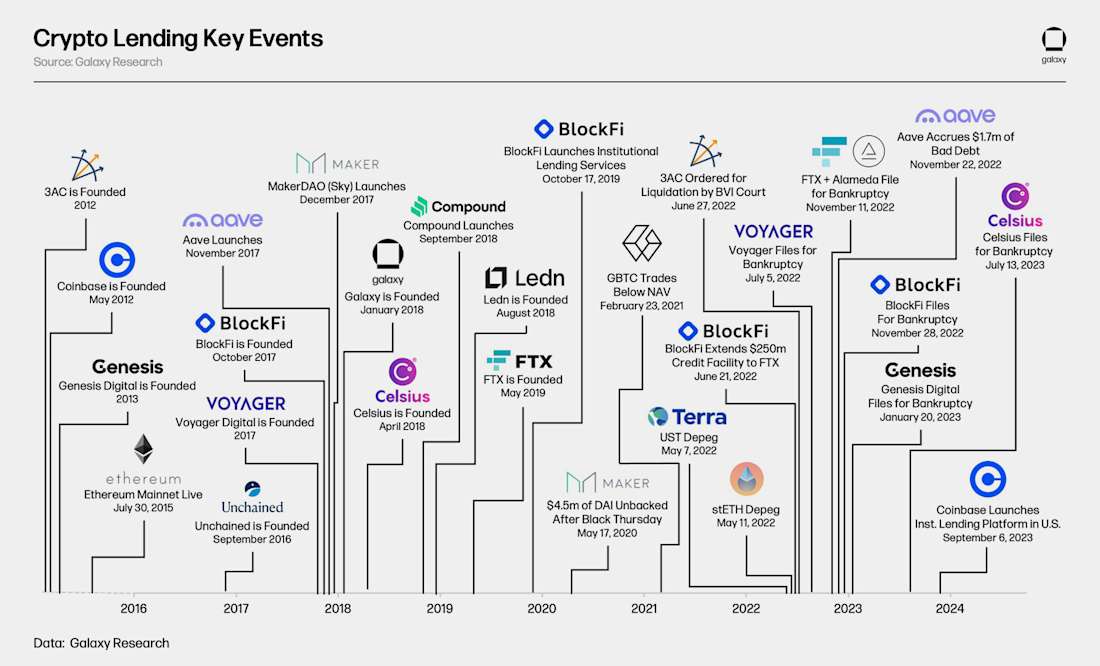
Comparison: Traditional vs. On-Chain Credit
The shift from traditional to on-chain credit scoring represents a fundamental change in how financial trust is established. While traditional models rely on centralized data aggregation and subjective judgment, on-chain models use objective, algorithmic analysis of public ledger data. This distinction affects privacy, accuracy, and accessibility.
| Dimension | Traditional Credit | On-Chain Credit |
|---|---|---|
| Data Source | Bank reports, loans, and utilities | Public blockchain transactions and DeFi activity |
| Privacy | Centralized, often opaque reporting | Transparent ledger, but user-controlled data sharing |
| Portability | Limited to specific bureaus and institutions | Wallet-based, portable across all protocols |
| Assessment Speed | Days to weeks for new accounts | Real-time verification of historical data |
This comparison highlights how on-chain credit scoring leverages the inherent properties of blockchain technology to create a more dynamic and accessible credit system. By focusing on verifiable actions rather than static profiles, it offers a more accurate reflection of a user’s financial responsibility.
How credit scores reduce DeFi borrowing costs
A rising crypto credit score shifts lending dynamics from pure collateral dependency toward risk-weighted pricing. In traditional finance, creditworthiness determines the cost of capital; in decentralized finance, on-chain reputation is beginning to serve the same function. Higher scores signal lower default risk, allowing protocols to offer more favorable terms without exposing themselves to excessive exposure.
The primary tangible benefit is reduced interest rates. Lenders price risk against the probability of loss. When an on-chain credit score demonstrates consistent repayment history and stable liquidity, the risk premium decreases. This translates directly into lower annual percentage rates (APRs) for borrowers. For high-volume traders or institutions, even a small reduction in basis points can represent significant savings over the life of a loan.
Beyond interest rates, credit scores unlock higher borrowing limits and access to undercollateralized loans. Traditionally, DeFi lending required over-collateralization—often 150% to 200% of the loan value—to mitigate smart contract and market volatility risks. With a verified high credit score, protocols can reduce this collateral ratio. Agio Ratings and other on-chain rating agencies note that counterparty risk assessment allows for more efficient capital allocation, enabling borrowers to leverage assets more effectively than in purely collateralized models [src-serp-1].
This shift supports the emergence of uncollateralized or lightly collateralized lending markets. While still niche, these products rely heavily on the integrity of the credit score mechanism. They require robust data feeds and legal enforceability frameworks to function at scale. As regulatory clarity improves, these products may become mainstream alternatives to traditional credit lines, bridging the gap between DeFi efficiency and centralized finance convenience.
Bridging on-chain reputation to traditional finance
The integration of on-chain reputation into traditional financial systems represents a structural shift in how creditworthiness is assessed. For crypto-native borrowers, blockchain history offers a transparent ledger of solvency and repayment behavior that off-chain lenders typically cannot access. This data richness allows for the creation of "crypto-native credit scores," which aim to bridge the gap in risk assessment for unbanked or thin-file demographics [src-serp-3]. However, translating this digital reputation into access for traditional products—such as mortgages, business loans, or hybrid financial instruments—remains fraught with regulatory and privacy complexities.
Traditional credit bureaus like Equifax and Experian operate on closed-loop systems that rely heavily on fiat currency reporting. Integrating on-chain data requires new legal frameworks to verify identity and ensure data accuracy. The lack of standardized protocols for sharing blockchain data with these legacy systems creates a significant barrier. Without clear regulatory guidelines, lenders face uncertainty in how to audit and validate on-chain reputation metrics.
The primary hurdle is the tension between transparency and privacy. Blockchain data is immutable and public, yet financial regulations often require the right to be forgotten or data minimization. This conflict makes it difficult for traditional institutions to incorporate raw on-chain data into their risk models without violating privacy standards. Additionally, the volatility of crypto assets complicates the valuation of collateral, requiring dynamic risk adjustments that traditional credit scoring models are not designed to handle.
As regulatory clarity improves, hybrid financial products may emerge, allowing borrowers to leverage their on-chain history for traditional credit. Until then, the bridge between these two financial worlds remains narrow, limited to early adopters and specialized lenders willing to plan around the regulatory landscape. The success of this integration will depend on the development of standardized, privacy-preserving methods for verifying on-chain reputation.
Algorithmic Bias and Data Privacy Risks
On-chain credit scoring introduces structural vulnerabilities that traditional credit models do not face. Unlike FICO scores, which rely on verified identity and historical repayment data, crypto credit scores are derived from public ledger activity. This transparency creates a paradox: the data required to build a robust reputation is inherently exposed, allowing third parties to correlate wallet addresses with real-world identities through blockchain analytics. Once a wallet’s creditworthiness is linked to a personal identity, that reputation becomes a permanent, searchable record, raising significant privacy concerns for users seeking financial anonymity.
Algorithmic bias presents another critical limitation. Scoring models prioritize behaviors visible on-chain, such as holding stablecoins or interacting with major lending protocols. This creates a feedback loop where users who already have access to traditional capital can improve their scores, while those relying on informal or peer-to-peer lending remain invisible to the algorithm. As noted by Agio Ratings, these models measure counterparty risk based on on-chain data, but they cannot account for off-chain financial stability or intent. Consequently, the scoring system may systematically exclude users who are creditworthy but lack a digital footprint on compliant platforms.
Collateral Volatility and Liquidation Triggers
A high on-chain credit score does not insulate borrowers from market volatility. In decentralized finance (DeFi), loans are typically over-collateralized, meaning borrowers must lock up assets worth more than the loan amount. If the value of the collateral drops rapidly, the loan is liquidated regardless of the borrower’s historical credit score. This mechanism decouples creditworthiness from actual repayment ability, turning credit scoring into a secondary metric rather than a primary risk assessment tool.
The disconnect between reputation and risk is evident in the current market. Even with a perfect on-chain history, a sudden market downturn can trigger mass liquidations. The following chart illustrates the volatility of major crypto assets, which directly impacts the stability of collateralized loans.
This volatility means that on-chain credit scores are currently more indicative of asset management skills than of long-term credit reliability. Until stablecoin integration or off-chain income verification becomes standard, these scores will remain susceptible to market swings rather than reflecting true financial health.
Steps to build your crypto credit score
Building a verifiable on-chain reputation requires deliberate activity. Lenders and scoring models like FICO Crypto Credit Score rely on historical data to assess risk. The following steps establish the financial footprint necessary for favorable lending terms.
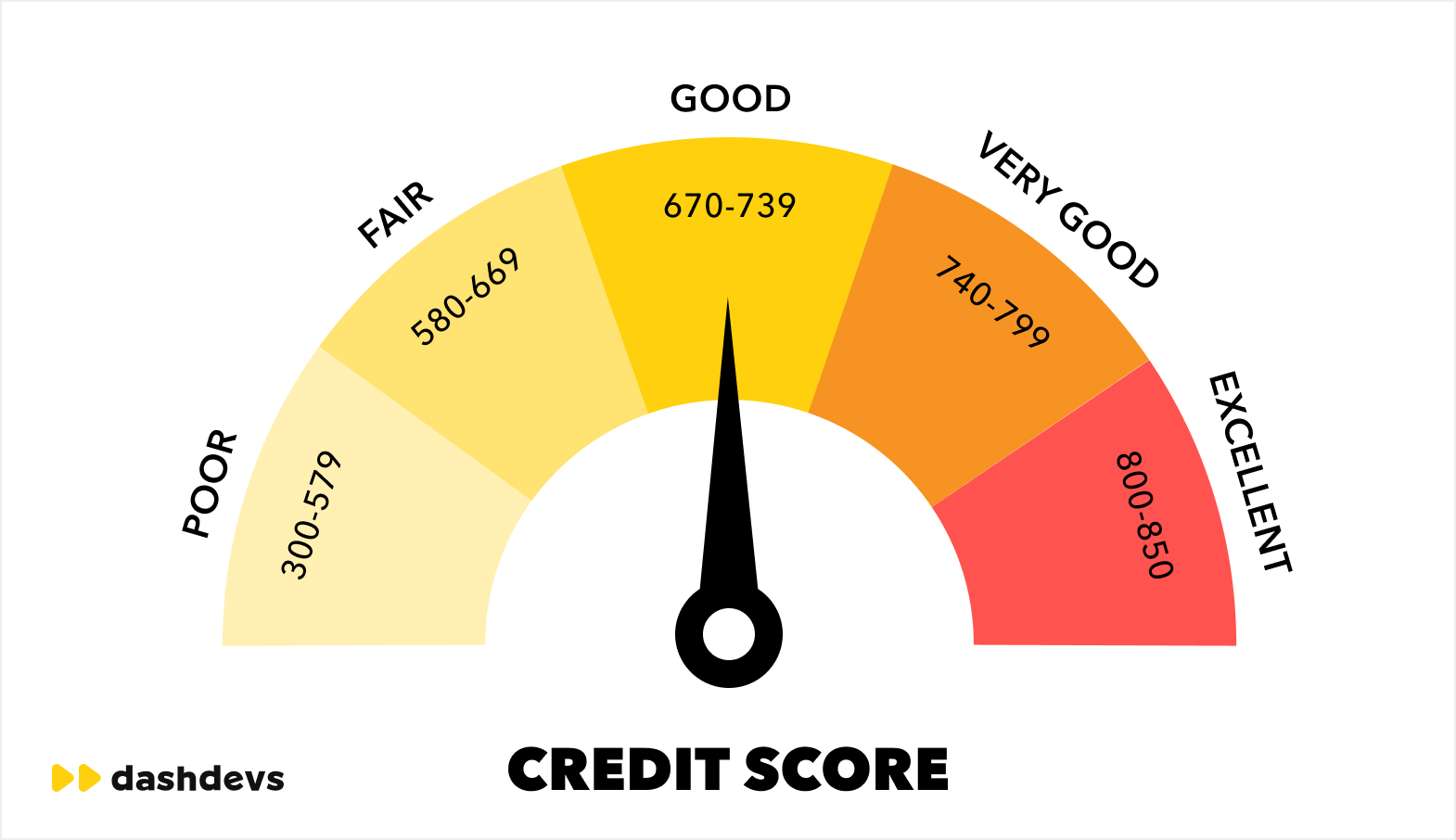
Begin with a dedicated wallet used exclusively for financial transactions. Avoid mixing funds with high-risk DeFi protocols or unknown airdrops. A clean transaction history reduces noise in scoring algorithms, allowing lenders to accurately assess your financial behavior.

Regular activity signals stability. Use your wallet for routine payments or small, verifiable trades. Consistency is more valuable than volume; sporadic large transactions can trigger fraud flags. Aim for predictable, recurring patterns that demonstrate active, responsible usage.
If you engage in lending, keep your collateralization ratio well above the minimum threshold. Over-leveraged positions are a primary indicator of risk. Maintaining a buffer protects your position during market volatility and positively influences your creditworthiness metrics.
Timely repayment is the strongest signal of creditworthiness. Set up automated reminders or use smart contracts that execute automatically. Late payments or defaults are permanently recorded on-chain and significantly degrade your score, often irreversibly.
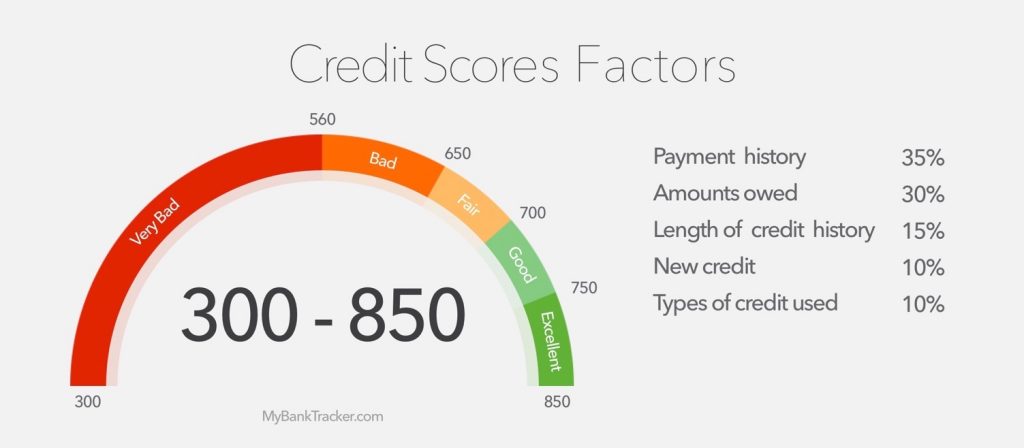
Use reputable aggregators to track your score. Verify that your transactions are correctly attributed to your primary identity. Correcting errors early ensures that lenders see an accurate picture of your financial discipline.
Frequently asked questions about crypto credit scores
For those navigating high-stakes financial decisions, understanding the separation between on-chain reputation and traditional credit is essential. While crypto lending platforms may use on-chain data for risk assessment, this does not translate to your FICO score. Always consult official regulatory guidance when evaluating how digital assets intersect with your broader financial profile.
No comments yet. Be the first to share your thoughts!