
The crypto credit score landscape in 2026
By 2026, the traditional credit score remains the primary gatekeeper for conventional lending, but a parallel metric for blockchain-based assets is emerging. This new evaluation assesses on-chain behavior—transaction history, wallet age, and DeFi interaction patterns—to gauge counterparty risk where traditional FICO scores fall short. It is not yet a substitute for a standard credit check, but it is becoming a necessary layer for accessing crypto-backed loans and institutional liquidity.
Institutional players like Gio Ratings now offer daily credit ratings for exchanges and custodians, powered by real-time on-chain data. This shift allows lenders to verify asset solvency instantly, reducing the friction of collateral verification. For borrowers, this means that your on-chain reputation can directly influence your borrowing capacity in decentralized finance protocols, independent of your bank statement.
However, the integration of these scores into mainstream credit bureaus remains fragmented. Lenders are still primarily focused on traditional debt-to-income ratios. The crypto credit score acts more as a supplementary risk indicator than a standalone approval tool. Understanding this distinction is critical: your on-chain activity builds a secondary financial identity that complements, rather than replaces, your traditional credit profile.
Crypto credit score 2026 choices that change the plan
The 2026 regulatory landscape introduces a dual-track system for crypto creditworthiness. Traditional lenders are beginning to weigh on-chain activity alongside standard FICO scores, creating a complex evaluation matrix. Understanding how your digital footprint influences lending access requires separating signal from noise.
On-chain history vs. traditional debt
Your transaction volume and wallet age now carry weight in alternative credit models. However, high-frequency trading can signal instability rather than reliability to conservative underwriters. Institutions like Fitch Ratings emphasize that volatile asset collateral poses distinct risks compared to steady income streams [src-serp-3].
Counterparty risk and custodial choices
Where you store assets matters. Ratings from firms like GIO focus heavily on the security posture of the exchange or custodian holding your funds [src-serp-1]. Lending platforms increasingly penalize exposure to unregulated or poorly audited entities, which can lower your perceived credit standing even if your personal debt is low.
DeFi integration and identity
Crypto-native scoring attempts to bridge the gap by using blockchain data to assess DeFi lending behavior [src-serp-2]. While this offers inclusion for the unbanked, it also exposes your entire financial history to public scrutiny. The tradeoff is transparency against privacy; lenders gain more data, but you lose the anonymity that defined early crypto adoption.
Standardized scoring models
The introduction of standardized models like the FICO Crypto Credit Score aims to simplify this complexity [src-serp-4]. These tools provide a unified metric for DeFi performance, making it easier for traditional institutions to interpret your on-chain reputation. However, adoption is not yet universal, meaning your score may vary significantly depending on which lender you approach.
Choose the next step: Turn the research into a practical decision framework
The shift toward regulated crypto lending and credit reporting means your traditional FICO score may no longer tell the whole story. Lenders are increasingly looking at on-chain behavior and counterparty risk to assess your true borrowing power. To navigate this, you need a system that monitors both your legacy credit health and your new digital footprint.
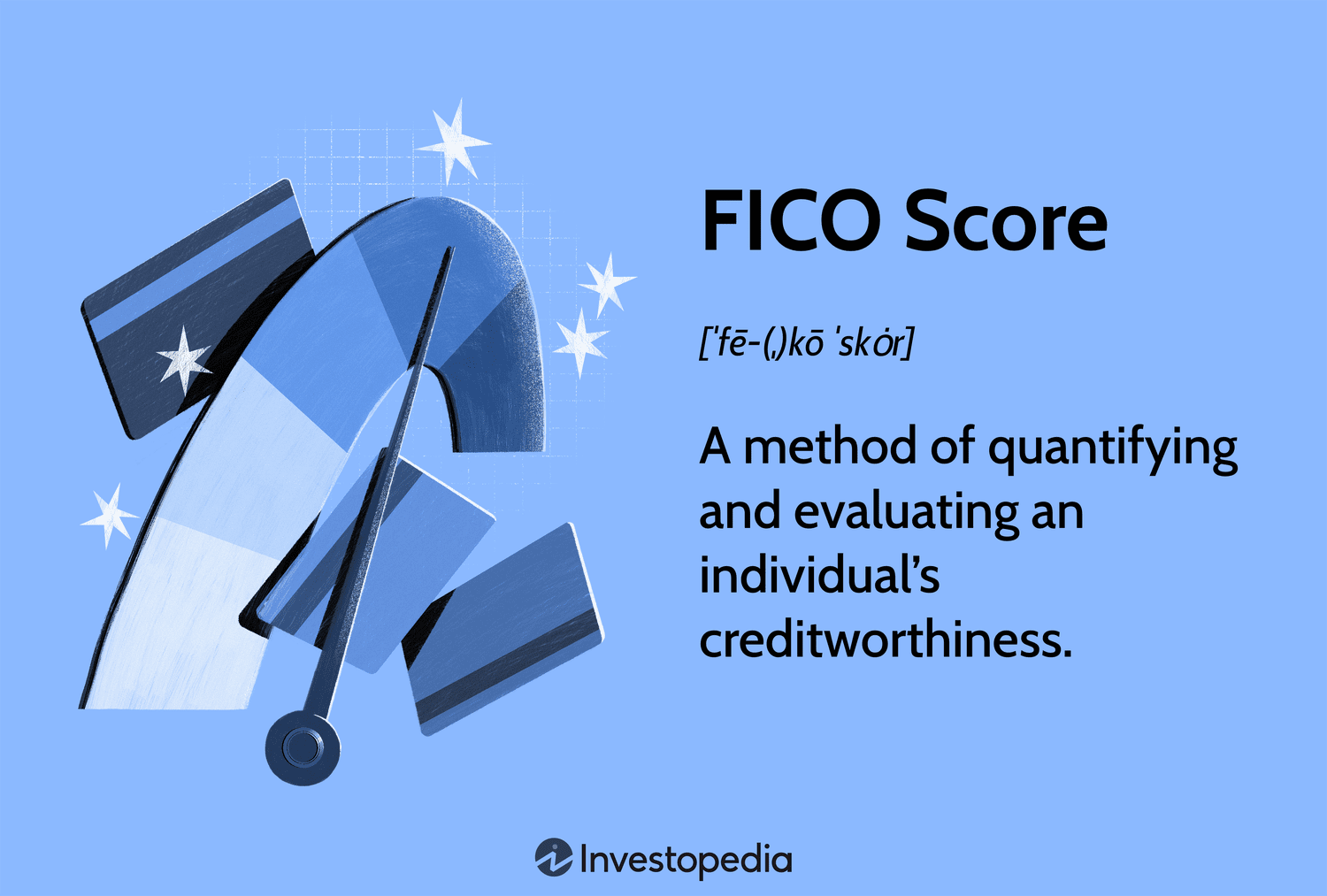
Start by pulling your free credit reports from the major bureaus. Look for any recent inquiries or hard pulls that might indicate unauthorized lending attempts. With 2026 regulations tightening, lenders are more likely to cross-reference traditional data with crypto activity, so ensuring your base file is clean is the first line of defense against lending denials.

Your transaction history on regulated platforms is becoming a de facto credit score. Use tools like Gio Ratings or similar counterparty risk monitors to see how institutions view the exchanges you use. If you are borrowing against crypto assets, ensure your platform is compliant with new KYC/AML rules; non-compliant platforms can flag your wallet as high-risk, impacting future loan approvals.
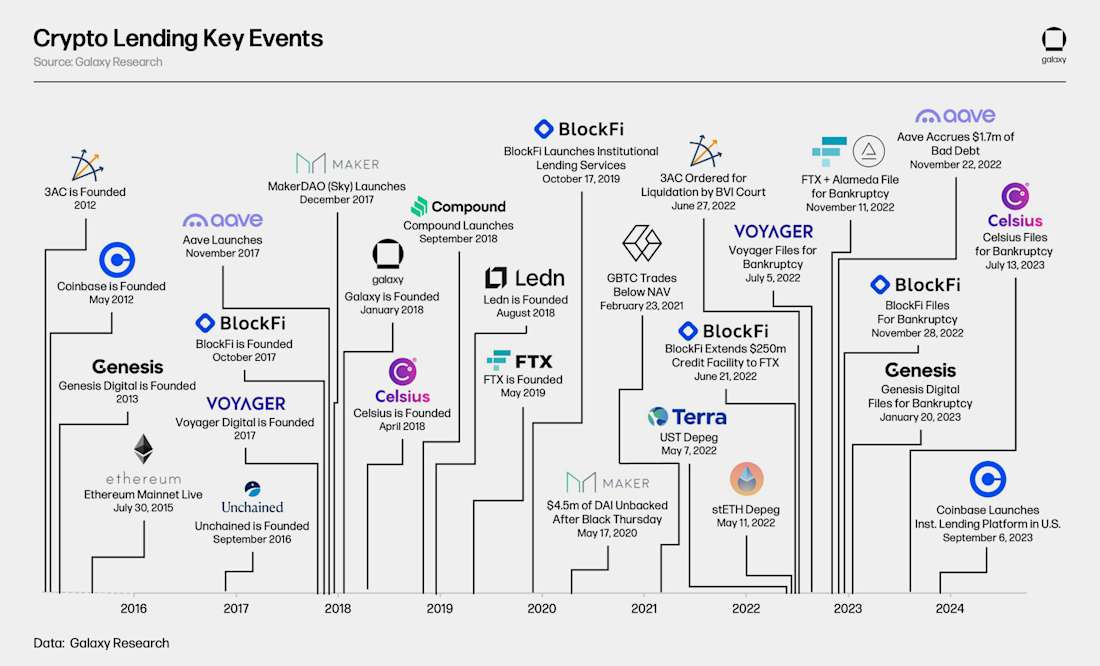
Before taking out a crypto-backed loan, check if the lender holds the necessary licenses for your jurisdiction. Unregulated lenders may not report positive payment history to credit bureaus, meaning you build no credit capital. Prioritize lenders who explicitly state they report to Equifax, Experian, or TransUnion to ensure your responsible borrowing boosts your score.
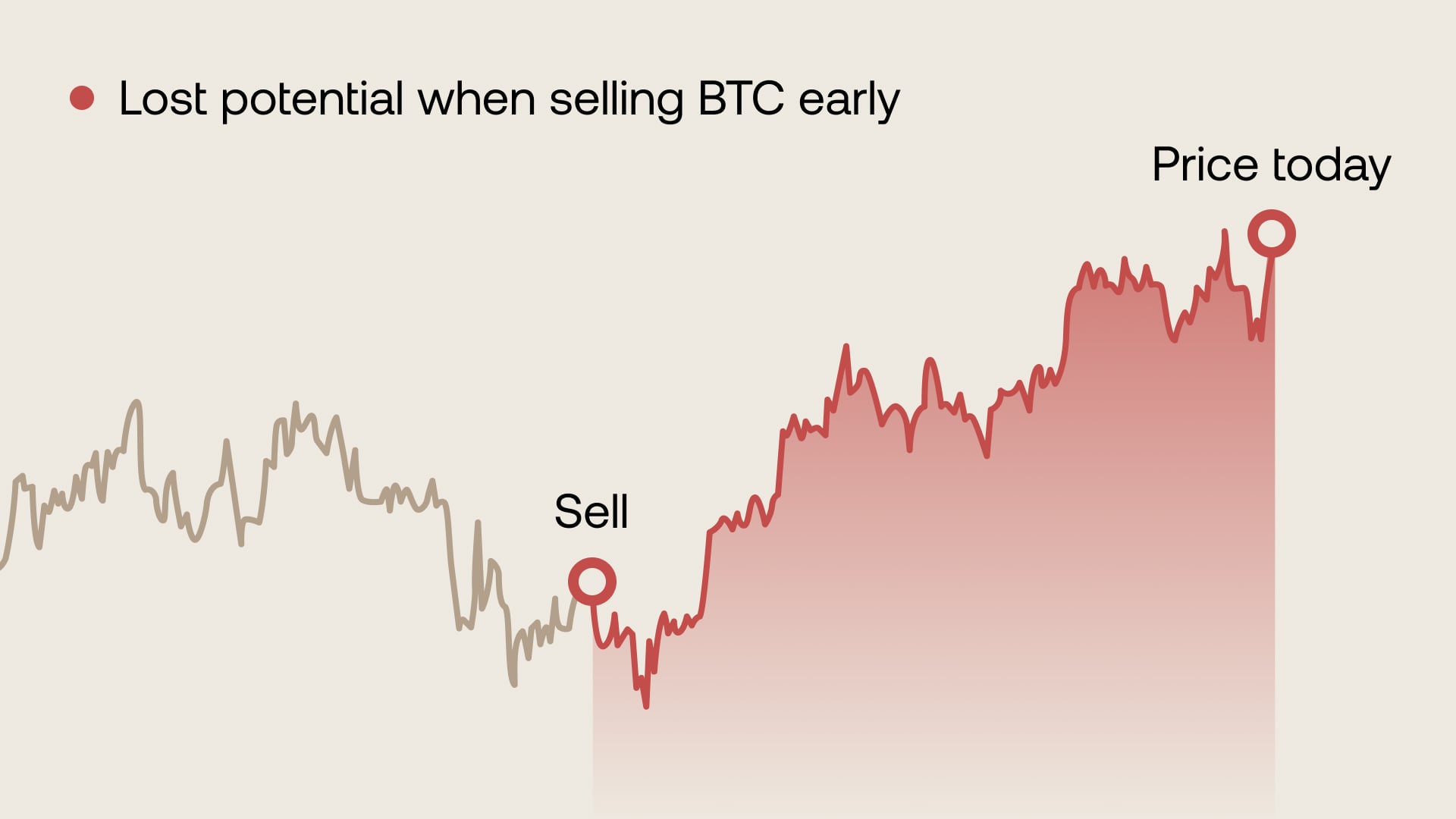
Emerging "crypto-native" credit scores are bridging the gap between DeFi and traditional finance. These scores analyze your blockchain data to assess risk. Regularly check these scores through specialized providers. If your score is low, it may be due to high leverage or irregular repayment patterns on-chain; adjusting your borrowing habits can quickly improve your access to better lending rates.
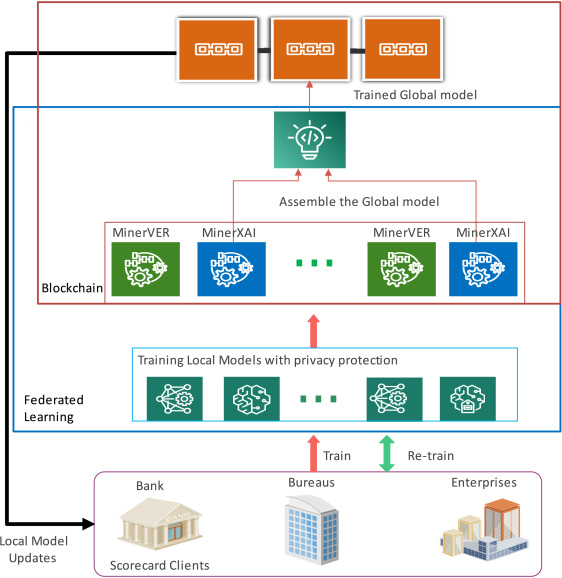
Don't rely on a single platform. Spread your crypto assets across multiple regulated lenders to reduce counterparty risk. If one platform faces regulatory scrutiny or liquidity issues, your other loans remain unaffected. This diversification signals stability to lenders, showing you are a low-risk borrower who manages assets prudently across different regulatory environments.
| Factor | Traditional Credit | Crypto Credit |
|---|---|---|
| Data Source | Bank statements, loans | On-chain transaction history |
| Reporting | Auto-reported to bureaus | Often manual or platform-specific |
| Risk Focus | Payment history, debt utilization | Counterparty risk, leverage, compliance |
Avoid the "Crypto-Native" Credit Score Trap
The 2026 regulatory shift is pushing lenders toward "crypto-native" credit scores. These models use blockchain data to assess risk, promising broader access for DeFi users. While the concept sounds inclusive, it often masks a critical flaw: it measures on-chain behavior, not your ability to repay debt.
A high on-chain score does not translate to a higher FICO score. Lenders still rely on traditional bureau data for final lending decisions. Relying solely on crypto-native metrics can lead to over-leveraging, leaving you vulnerable to market volatility without the safety net of traditional credit history.
Instead of chasing these new scores, focus on verified income and debt-to-income ratios. If you must use crypto assets as collateral, ensure the platform offers transparent, real-time liquidation thresholds. Do not assume that on-chain activity automatically improves your standing with conventional banks.
Crypto credit score 2026: what to check next
Navigating the intersection of digital assets and traditional lending requires clarity on how your on-chain activity translates to off-chain access. As 2026 regulations tighten, understanding the mechanics of crypto-native scoring becomes essential for maintaining borrowing power.
No comments yet. Be the first to share your thoughts!