
Crypto credit score 2026: what actually counts
Lenders are no longer looking at your credit report alone. In 2026, the crypto credit score 2026 framework focuses on on-chain history as a primary signal of reliability. Institutions measure counterparty and asset risk by analyzing wallet balances, reserve composition, and transaction behavior to determine if you can handle traditional debt. This shift means your digital footprint now carries the same weight as your bank statements.
The primary challenge remains verification. Because blockchain addresses are pseudonymous, lenders cannot automatically link a wallet to your legal identity. You must actively provide proof of ownership through KYC-compliant platforms or authorized data aggregators. Without this bridge, your on-chain wealth remains invisible to traditional underwriting systems.
Raters like Fitch and Agio Ratings note that consistency matters more than volume. A history of regular, low-value transactions often signals better financial discipline than sporadic large transfers. Lenders use these patterns to predict repayment behavior, effectively treating your crypto activity as a new form of credit history.
The verification bottleneck
Even with advanced scoring models, the gap between on-chain data and traditional loans is wide. Most banks still require manual underwriting for crypto-backed assets. This means you should expect longer processing times and higher interest rates compared to conventional mortgages or auto loans.
To maximize your chances, maintain a clean transaction history. Avoid mixing funds with high-risk exchanges or darknet-associated wallets, as these can trigger automatic rejections. Keeping your primary lending wallet distinct and well-documented is the most practical step you can take today.
Crypto credit score 2026 choices that change the plan
Use this section to make the How Crypto Credit Scores Work decision easier to compare in real life, not just on paper. Start with the reader's actual constraint, then separate must-have requirements from details that are merely nice to have. A practical choice should survive normal use, maintenance, timing, and budget. If a recommendation only works in an ideal situation, call that out plainly and give the reader a fallback path.
| Factor | What to check | Why it matters |
|---|---|---|
| Fit | Match the option to the primary use case. | A good deal still fails if it does not fit the job. |
| Condition | Verify age, wear, and service history. | Hidden condition issues erase upfront savings. |
| Cost | Compare purchase price with likely upkeep. | The cheapest option is not always the lowest-cost option. |
Choose the next step
How Crypto Credit Scores Work works best as a clear sequence: define the constraint, compare the realistic options, test the tradeoff, and choose the path with the fewest hidden costs. That order keeps the advice usable instead of decorative. After each step, pause long enough to check whether the recommendation still fits the reader's actual situation. If it depends on perfect timing, unusual access, or a best-case budget, include a simpler fallback.

Spotting Weak Options in Crypto Credit Products
The market for crypto-backed lending is crowded with products that promise to leverage your on-chain history for traditional loans, but few deliver on that promise without significant trade-offs. As institutions like Fitch Ratings note, assessing these assets requires looking beyond surface-level metrics to actual reserve composition and transaction behavior [src-serp-2]. Many platforms obscure these details behind marketing language, making it essential to identify which options are genuinely viable and which are misleading.
A common mistake is assuming that any platform claiming to use "on-chain data" is offering a robust credit solution. In reality, many services only look at simple wallet balances, ignoring the volatile nature of crypto assets. This superficial approach often leads to poor loan-to-value ratios or hidden fees that erode the benefit of using your crypto as collateral. Always check if the platform provides transparent, real-time risk assessments rather than static, outdated metrics.
When evaluating providers, look for those that offer clear, itemized fee structures and explicit risk warnings. Avoid platforms that do not disclose their underwriting criteria or rely on vague terms like "advanced analytics" without explaining how they process on-chain data. A trustworthy provider will clearly explain how your wallet history translates into creditworthiness, including any penalties for collateral volatility. This transparency is the primary differentiator between a useful financial tool and a risky gamble.
Crypto credit score 2026: what to check next
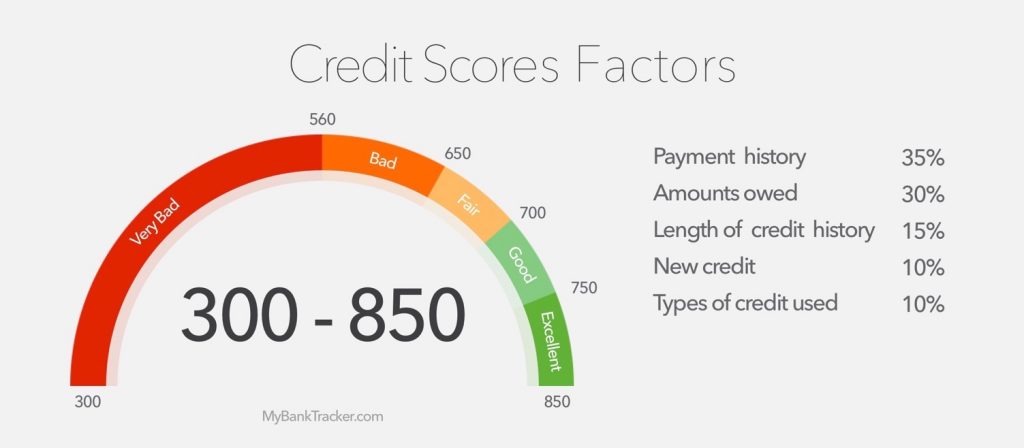
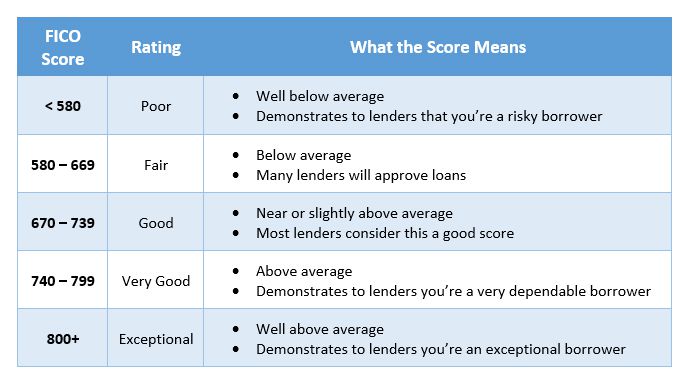
Crypto credit scores operate differently from traditional FICO models. Instead of relying on a single bureau, they aggregate on-chain data such as wallet balances, transaction history, and reserve composition to assess counterparty risk. This approach aims to bridge the gap for crypto-natives who lack conventional credit history, though these scores are not yet standard inputs for traditional bank loans.
Borrowing against Bitcoin or other major crypto assets is primarily collateral-based rather than credit-based. Lenders focus on the loan-to-value ratio and the stability of the collateral rather than your personal credit score. This removes traditional barriers like lengthy approval processes, allowing borrowers to access liquidity without impacting their credit profile, provided they maintain sufficient collateral to avoid liquidation.
Buying or trading cryptocurrency does not directly impact your traditional credit score because crypto transactions are not reported to major credit bureaus. However, if you use crypto-backed loans for spending or fail to repay fiat-backed loans used to purchase crypto, those missed payments can negatively affect your credit history. The act of trading itself remains invisible to credit agencies.
While crypto-native credit scoring is gaining traction in decentralized finance, it has not yet replaced traditional credit checks for mainstream lending. Institutions like Fitch Ratings are developing frameworks to assess digital asset risk, but most traditional lenders still require conventional credit verification. Crypto credit cards, however, may report payment activity to bureaus, making responsible usage a potential pathway to building credit.
No comments yet. Be the first to share your thoughts!