
What defines a crypto credit score in 2026
The concept of a crypto credit score has shifted from a static, FICO-like number to a dynamic aggregation of on-chain behavior and off-chain data. In 2026, lenders no longer rely on a single numerical value to assess risk. Instead, they analyze a wallet’s entire history—transaction frequency, asset diversity, and repayment patterns—to build a reputation profile.
This transition reflects the broader maturation of decentralized finance. Early DeFi lending was purely collateralized; if you couldn't pay, the protocol liquidated your assets. Today, the rise of tokenized assets and identity-verified wallets allows for unsecured or under-collateralized lending. Platforms like FICO’s crypto initiatives demonstrate how traditional scoring models are being adapted to interpret blockchain data, bridging the gap between anonymous wallets and verifiable financial identity.
The result is a more nuanced view of creditworthiness. A wallet that consistently holds stablecoins, repays loans on time, and interacts with reputable protocols is viewed differently than one that only engages in speculative trading. This dynamic scoring enables better capital efficiency for borrowers and lower risk for lenders, creating a more robust financial layer within the crypto ecosystem.
DeFi lending as the primary credit history
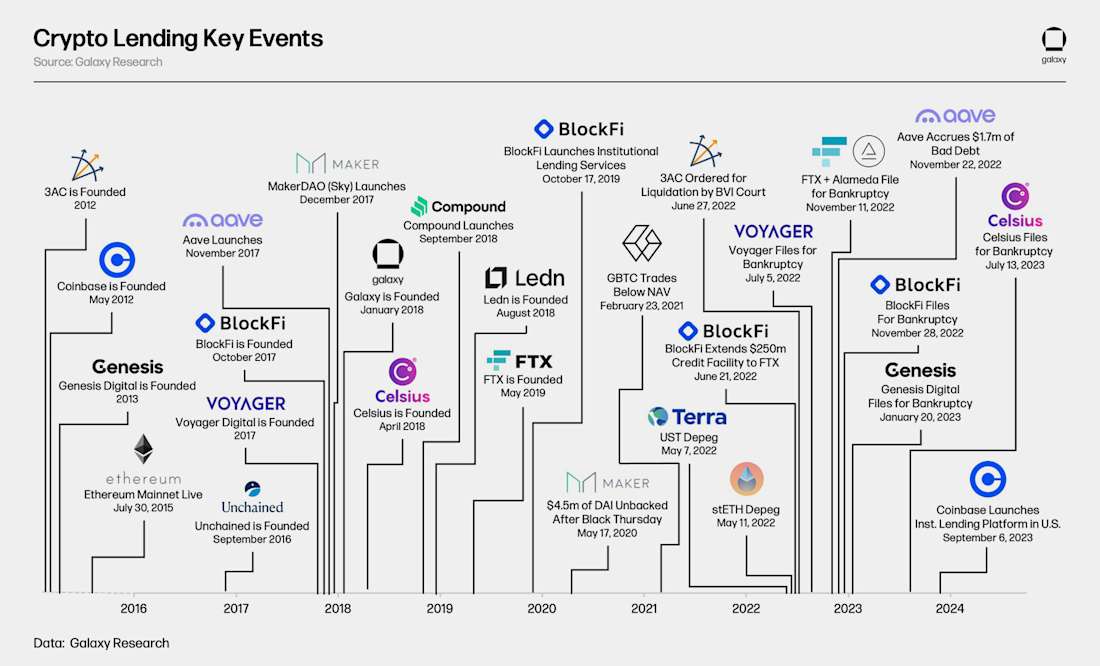
DeFi lending has shifted from a niche experiment to the backbone of on-chain credit history. In 2026, the FICO Crypto Credit Score evaluates borrowers based on their actual behavior within decentralized finance protocols rather than traditional bureau data. This system measures credit risk and repayment ability by analyzing transaction history, loan-to-value ratios, and default records across various lending platforms.
Borrowing and repaying on DeFi protocols builds a verifiable on-chain credit history. Unlike traditional finance, where credit checks can take days, DeFi offers instant access to capital. However, this speed comes with a trade-off: your lending activity is public and immutable. Every borrowed asset and every repayment is recorded on the blockchain, creating a permanent financial fingerprint that lenders now use to assess eligibility.
For institutions and sophisticated borrowers, this transparency is a feature, not a bug. It removes traditional barriers such as lengthy approval processes and allows for more nuanced risk assessment. As stablecoins and tokenized assets integrate deeper into these protocols, the volume of credit-building activity increases, making DeFi lending the primary source of credit data for the digital economy.
Tokenized assets reshape credit risk models
Tokenized real-world assets (RWA) are moving from experimental use cases to core components of DeFi lending protocols. By bringing off-chain collateral—such as treasury bills, private credit, and real estate—onto the blockchain, these assets provide a stability layer that pure crypto-native collateral often lacks. This shift is forcing credit risk models to adapt from purely on-chain behavioral analysis to hybrid frameworks that incorporate off-chain legal enforceability and asset performance.
The integration of RWA allows lenders to diversify their risk exposure beyond the high-volatility crypto market. When a borrower uses tokenized US Treasuries as collateral, the liquidation risk drops significantly compared to volatile assets like Bitcoin or Ethereum. This stability enables higher loan-to-value (LTV) ratios and lower interest rates, effectively bridging the gap between traditional finance (TradFi) credit metrics and decentralized finance (DeFi) liquidity. As noted in recent regulatory analyses, the clarity around stablecoin reserves and asset backing is becoming a primary driver for institutional adoption of these hybrid credit structures.
However, this transition introduces new complexities. Credit scoring algorithms must now account for legal jurisdiction, custody risk, and the liquidity of the underlying off-chain asset. If a tokenized bond is tied to a specific legal entity in a jurisdiction with evolving crypto laws, the "credit score" of that asset fluctuates with regulatory news, not just market price. This requires real-time data feeds that connect on-chain price action with off-chain legal and financial health indicators.
The result is a more robust, albeit complex, credit ecosystem. Lenders can now offer products that mimic traditional secured loans but with the speed and transparency of blockchain settlement. For borrowers, this means access to capital without sacrificing their crypto holdings, while for lenders, it means a portfolio less susceptible to the wild swings of the crypto market.
On-chain reputation versus TradFi scores
The crypto lending landscape is moving away from a binary choice between purely on-chain reputation and traditional credit scores. Instead, the industry is converging on hybrid models that leverage the transparency of blockchain data alongside the regulatory familiarity of off-chain systems. This shift addresses the primary limitation of early DeFi: the lack of context for off-chain liabilities.
On-chain reputation systems, often referred to as wallet reputation, rely on transaction history, collateralization ratios, and protocol-specific behavior. While transparent, these scores often ignore a user's real-world financial obligations, such as mortgages or student loans. Conversely, traditional credit scores like FICO provide a holistic view of financial health but lack the real-time, programmable nature required for decentralized finance.
The emerging hybrid approach, exemplified by partnerships between major credit bureaus and blockchain protocols, allows lenders to access off-chain credit data without compromising user privacy. This enables more accurate risk assessment and potentially lower interest rates for borrowers with strong traditional credit histories. By bridging the gap between these two worlds, the market is creating a more inclusive and efficient lending environment.
Key trends shaping crypto credit in 2026
The crypto credit landscape in 2026 is defined by the convergence of traditional finance rigor with decentralized infrastructure. Three dominant forces are driving this shift: institutional adoption of tokenized assets, clearer regulatory frameworks, and the integration of legacy credit data into on-chain protocols.
Institutional adoption of tokenized assets
Tokenized real-world assets (RWA) have moved from experimental pilots to core lending collateral. Institutions are increasingly tokenizing treasury bills, private credit, and real estate, bringing institutional-grade liquidity to DeFi lending markets. This trend reduces reliance on volatile crypto-native collateral and anchors crypto credit scores to tangible, auditable value. The PwC Global Crypto Regulation Report 2026 highlights that stablecoin issuance models and reserve requirements are central to this institutional trust, ensuring that tokenized assets maintain their peg and value integrity.
Regulatory clarity and compliance
Regulatory clarity has emerged as a primary driver for crypto credit adoption. With frameworks like MiCA in Europe and evolving guidance in the US, lenders can now operate with defined legal boundaries. This clarity allows for the integration of Know Your Customer (KYC) and Anti-Money Laundering (AML) checks directly into smart contracts, enabling "compliant DeFi." As noted in the 2026 Crypto Crime Report by Chainalysis, the focus has shifted from mere volume to the security and legitimacy of transactions, allowing credit protocols to serve institutional clients who require audit trails and regulatory compliance.
Integration of legacy credit data
The most significant innovation in crypto credit scoring is the fusion of on-chain behavior with off-chain credit history. New protocols allow users to link traditional credit data, such as FICO scores or payment history, to their decentralized identities. This hybrid approach creates a more holistic credit profile, enabling users with strong traditional credit but limited on-chain history to access better lending rates. Conversely, users with rich on-chain histories but no traditional credit can now build verifiable reputations. This integration bridges the gap between Web2 financial identity and Web3 asset ownership, making crypto credit a viable alternative for mainstream consumers.
Frequently asked questions about crypto credit
What is the 2026 crypto report?
The PwC Global Crypto Regulation Report 2026 provides a detailed analysis of the regulatory landscape for digital assets. It focuses heavily on stablecoin issuance models, reserve requirements, and supervisory frameworks across more than 50 jurisdictions. This report serves as a primary reference for understanding how institutional-grade compliance is shaping the creditworthiness of decentralized finance (DeFi) protocols.
How do I build a crypto credit score?
Building a crypto credit score requires consistent on-chain activity rather than traditional banking history. Lenders now analyze your DeFi lending behavior, such as timely interest payments and healthy loan-to-value ratios. By maintaining a clean repayment history on reputable platforms, you generate the verifiable data needed to establish a credit profile in the decentralized economy.
Does DeFi lending impact my traditional credit score?
Most DeFi lending activity does not automatically report to traditional credit bureaus like Equifax or Experian. However, as tokenized assets and hybrid financial products gain traction, some platforms are beginning to bridge on-chain reputation with off-chain credit reports. It is essential to check specific protocol policies to see if they offer credit-building features that report to major agencies.
No comments yet. Be the first to share your thoughts!