
Why 2026 changes crypto credit scoring
The crypto lending landscape is shifting from anonymous, collateral-only borrowing to a regulated, identity-linked credit model. In previous cycles, borrowing against Bitcoin or Ethereum required over-collateralization because lenders had no way to assess your repayment history. You were only as trustworthy as the assets you locked up.
This year, that dynamic is breaking. New reporting mandates and partnerships with traditional credit bureaus are beginning to bridge the gap between on-chain activity and off-chain reputation. Lenders can now verify identity and assess risk without forcing you to lock up 150% of your portfolio to borrow a fraction of its value.
TransUnion’s entry into the space signals a major pivot. By providing traditional credit scores for individuals applying for loans on blockchain protocols, they are enabling a hybrid approach. This doesn’t mean your on-chain history is erased, but it means it no longer exists in a vacuum. Your DeFi activity is becoming part of a broader financial identity.
This change is driven by regulatory pressure. As governments demand clearer reporting on digital asset transactions, lenders are required to perform more rigorous know-your-customer (KYC) checks. The result is a system where your crypto credit score is no longer just a black-box algorithm, but a verifiable metric tied to your real-world identity.
For borrowers, this means access to capital becomes less about how much you hold and more about how you manage it. The barrier to entry for unsecured loans is lowering, but the requirement for transparency is rising. You can no longer hide behind a pseudonym if you want competitive rates.
Step 1: Link your wallet to verified identity
To generate a tradable crypto credit score, you must first bridge the gap between your anonymous wallet address and a verified legal identity. This process, known as KYC (Know Your Customer), is the foundational requirement for on-chain reputation under emerging 2026 regulations. Without this link, your transaction history remains unattributed to a specific person, rendering it useless for credit scoring.
The goal is to create a "wallet reputation" that functions like a traditional FICO score but is derived from your blockchain activity rather than bank statements. As noted in industry discussions, on-chain credit will likely emerge from this wallet reputation model rather than a direct copy of legacy credit systems [src-serp-3].
Choose a KYC Provider
You cannot perform KYC directly on the blockchain itself. Instead, you must use a trusted third-party identity verification provider that integrates with DeFi protocols. These providers act as the bridge, confirming your identity and then issuing a "proof of personhood" token or credential to your wallet without exposing your private data on-chain.
Look for providers that offer "zero-knowledge" proofs or privacy-preserving verification. This ensures that while the protocol knows you are verified, your sensitive personal documents remain encrypted and secure. Major credit bureaus are also beginning to integrate with these systems to cross-reference traditional and crypto data [src-serp-6].
Complete the Verification Process
Once you select a provider, the process typically involves uploading a government-issued ID and completing a live facial scan. This step confirms that you are a real person and that the wallet you are linking belongs to you.
- Select a Protocol: Choose a DeFi lending or credit protocol that supports on-chain reputation.
- Initiate KYC: Click the "Verify Identity" button within the protocol’s interface.
- Upload Documents: Submit your ID and selfie to the verification provider.
- Link Wallet: Once approved, the provider mints a credential to your wallet address.
- Confirm Link: The protocol now associates your historical on-chain activity with your verified identity.
This initial setup is critical. It transforms your wallet from an anonymous address into a unique, credit-worthy identity that lenders can evaluate based on your repayment history and asset holdings.
Generate positive on-chain history
Your on-chain reputation is not a static number; it is a living ledger of your financial habits. Unlike traditional credit reports that update monthly, on-chain data is immutable and continuous. To build a strong crypto credit score, you must treat your wallet like a financial institution that is watching every move you make.
The goal is to demonstrate reliability through consistent, predictable behavior. Institutions and DeFi protocols analyze wallet balances, transaction flows, and reserve composition to assess counterparty risk. You need to prove that you can manage debt and hold assets without erratic spikes in activity or sudden liquidity drains.

Avoid dormant wallets followed by massive, irregular transfers. Regular, moderate transactions signal active financial management. Use your wallet for everyday payments or small, scheduled transfers to create a steady flow of data that shows you are an active participant in the ecosystem.

Keep a stable balance of liquid assets. A wallet that is constantly near zero or fully leveraged appears risky. Holding a buffer of stablecoins or blue-chip tokens demonstrates that you have the capacity to absorb market volatility and meet obligations even if asset prices dip.
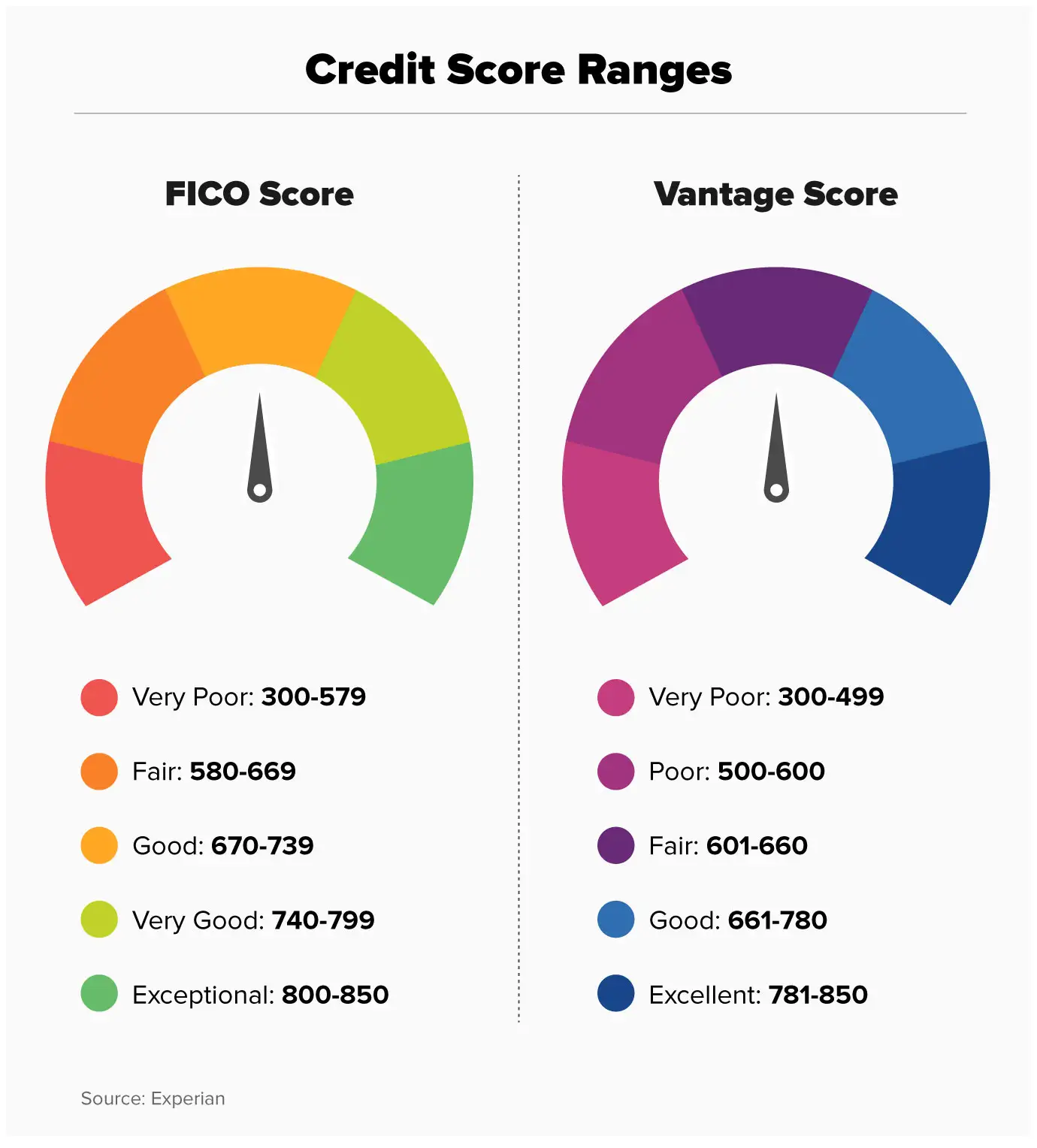
Timely repayment is the single most important factor in credit scoring. Whether you are using a DeFi protocol or a centralized lending platform, missing a payment creates a permanent negative mark on your public address. Set up automated reminders or auto-repayment features to ensure you never miss a deadline.

A healthy credit profile shows versatility. Engage with different types of on-chain activities, such as providing liquidity, staking assets, or participating in governance. This variety shows that you understand multiple facets of the crypto economy and are not reliant on a single, potentially risky strategy.
Building this history takes time. There is no shortcut to generating a high score; it requires months of consistent, responsible behavior. The more you interact with the ecosystem transparently, the more accurate and favorable your credit rating will become.
Step 3: Monitor your compliance score
Your crypto credit score isn’t a static number; it’s a living metric that shifts with every transaction. To maintain a healthy standing, you need to actively track two distinct pillars: your on-chain behavior and your regulatory reporting status.
Track on-chain reputation
Institutions don’t just look at your wallet balance; they analyze transaction behavior, reserve composition, and flow patterns to assess risk. Agio Ratings notes that these on-chain data points are critical for measuring counterparty risk.
Avoid mixing funds with wallets flagged for illicit activity. The 2026 Crypto Crime Report highlights that illicit wallets received an estimated $158 billion in 2025, a sharp rise from the previous year. If your address interacts with these flagged entities, your credit score will plummet. Use a blockchain explorer or a compliance tool to regularly screen your transaction history.
Verify tax reporting status
Compliance isn’t just about where your money goes; it’s about how you report it. Many credit models now incorporate tax filing status as a proxy for financial responsibility. Ensure your digital asset tax reporting is up to date with local authorities.
Failure to report crypto gains can lead to penalties that negatively impact your broader credit profile. Regularly reconcile your on-chain transactions with your tax filings to prevent discrepancies. Keeping your compliance score high demonstrates to lenders that you are a low-risk borrower who respects regulatory frameworks.
Common mistakes that hurt your crypto credit score
Building a positive crypto credit score requires avoiding specific on-chain behaviors that flag high risk. While crypto-backed loans often bypass traditional credit checks, your on-chain reputation directly impacts eligibility for unsecured lending, staking rewards, and DeFi access. Lenders and protocols analyze transaction history to detect patterns associated with fraud, money laundering, or instability.
Ignoring illicit fund exposure
Using wallets linked to illicit activity is the fastest way to destroy your on-chain reputation. In 2025, illicit crypto wallets received an estimated $158 billion in incoming value, a sharp rise from $64.5 billion the prior year [[src-serp-4]]. If your address interacts with addresses flagged by compliance tools like Chainalysis or TRM Labs, your score will plummet. Always vet counterparties and avoid mixing services that obscure transaction trails, as these are red flags for lenders.
Missing tax and reporting obligations
Failing to report crypto transactions can lead to regulatory penalties that indirectly affect your financial standing. Many credit scoring models now integrate with tax data providers to verify income stability and compliance. Unreported gains or losses create inconsistencies in your financial profile, leading to higher interest rates or loan denials. Ensure all your transactions are accurately logged and reported to relevant tax authorities to maintain a clean record.
Over-leveraging and unstable collateral
Taking on excessive debt relative to your assets signals financial distress. While crypto-backed loans are collateral-based, over-leveraging increases the risk of liquidation, which damages your reputation with lenders [[src-serp-2]]. Keep your loan-to-value ratios conservative. Sudden, large withdrawals or transfers immediately after borrowing are also viewed as suspicious behavior, potentially triggering account reviews or score reductions.
No comments yet. Be the first to share your thoughts!