
The decentralized identity limits to account for
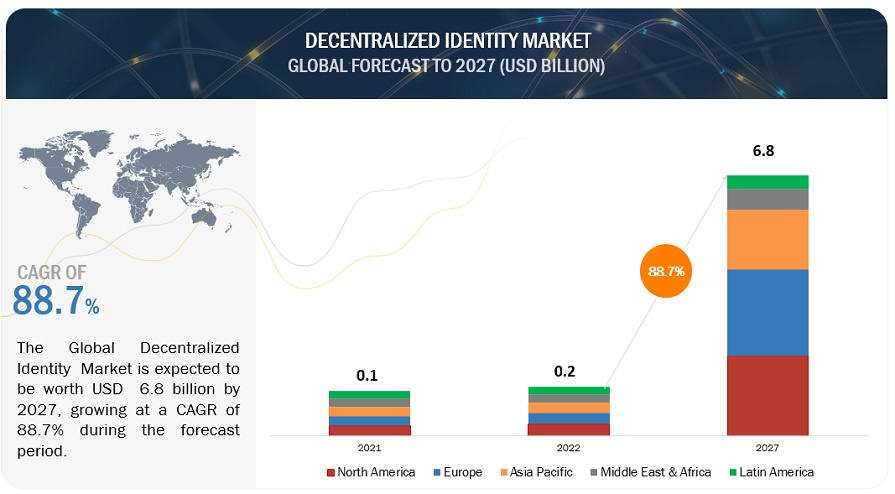
Decentralized identity (DID) is a methodology that allows individuals to securely control their digital identity without relying on a central authority [src-serp-1]. In traditional systems, like government-issued IDs or online accounts, we typically rely on a single entity to store and verify our identities [src-serp-3]. This centralization creates a single point of failure and limits how users manage their data.
DID uses distributed ledger technologies for authentication and helps address challenges related to centralized identity [src-serp-2]. Examples include distributed ledgers, decentralized file systems, databases of any kind, peer-to-peer networks, and other forms of trusted data storage [src-serp-4]. By shifting control to the user, DID enables a more private and secure way to prove identity for crypto credit scores.
The difference between centralized and decentralized identity is fundamental. Decentralized identity is an identity framework that lets people own, manage and control their personal information without relying on a central authority [src-serp-3]. This shift encourages innovation and faster responses [src-serp-4], allowing users to share only the necessary data for credit verification rather than exposing their entire digital history.
Decentralized identity choices that change the plan
Use this section to make the How Decentralized Identity (DID) is Reshaping Crypto Credit Scores decision easier to compare in real life, not just on paper. Start with the reader's actual constraint, then separate must-have requirements from details that are merely nice to have. A practical choice should survive normal use, maintenance, timing, and budget. If a recommendation only works in an ideal situation, call that out plainly and give the reader a fallback path.
| Factor | What to check | Why it matters |
|---|---|---|
| Fit | Match the option to the primary use case. | A good deal still fails if it does not fit the job. |
| Condition | Verify age, wear, and service history. | Hidden condition issues erase upfront savings. |
| Cost | Compare purchase price with likely upkeep. | The cheapest option is not always the lowest-cost option. |
How to evaluate decentralized credit scoring tools
Decentralized identity (DID) shifts credit verification from centralized databases to user-controlled wallets. This change lets you prove financial history without handing over raw personal data. The result is a more private, portable credit profile. However, the ecosystem is fragmented. Choosing the right tool requires checking interoperability, data sources, and lender acceptance.

Ensure the platform follows W3C standards. Non-compliant tools create siloed identities that cannot be used across different lending protocols. Look for Verifiable Credentials (VC) support to guarantee your data is machine-readable and standardized.
Review which on-chain and off-chain data feeds are used. A robust score relies on diverse transaction history, not just a single wallet's activity. Prioritize tools that aggregate data from multiple decentralized exchanges and lending platforms for a complete picture.
Your DID is only valuable if lenders accept it. Confirm that the platform has partnerships with active DeFi protocols or traditional financial institutions. Without broad integration, your decentralized credit score remains an isolated metric with limited utility.
Look for zero-knowledge proof (ZKP) capabilities. This technology allows you to prove you meet a credit threshold without revealing your entire transaction history. Strong privacy controls are essential for maintaining financial confidentiality while accessing credit.
Spotting Weak Options in Decentralized Identity
The market for decentralized identity (DID) credit scores is crowded with vague promises. Before integrating a new solution, verify that the provider uses a public, immutable ledger like Ethereum or Polygon. Many services claim "decentralization" while quietly storing your on-chain activity on a private, centralized database. This defeats the purpose of self-sovereign identity and reintroduces single points of failure.
Watch for platforms that require excessive permissions. A legitimate DID system uses zero-knowledge proofs to verify creditworthiness without exposing your entire transaction history. If a service asks for your full wallet balance or social security number, it is likely a centralized credit bureau in disguise. This approach compromises privacy and offers no advantage over traditional credit reporting.
Another common pitfall is ignoring interoperability. Your DID should work across multiple lending platforms, not just one closed ecosystem. Check if the provider supports W3C DID standards and verifiable credentials. Without these, your digital identity remains siloed, limiting your ability to shop around for the best crypto loan rates.
Finally, be wary of solutions with no clear governance model. Decentralized systems rely on community consensus for upgrades and dispute resolution. If the project is controlled by a single company with no transparent voting mechanism, it is not truly decentralized. Always review the project's whitepaper and community forums to understand who holds the keys.
Decentralized identity: what to check next
Here are the most common questions readers ask before adopting decentralized identity (DID) for crypto credit scores.
No comments yet. Be the first to share your thoughts!