
What defines a crypto credit score in 2026
The concept of a "crypto credit score" is often misunderstood as a single, universal metric comparable to a FICO score. In reality, it is a composite framework that blends onchain reputation, collateral health, and, increasingly, traditional credit data. Lenders do not rely on one number; they assess risk through a layered approach that accounts for the unique nature of digital assets.
Unlike traditional lending, where debt-to-income ratios and payment history dominate, crypto scoring often prioritizes collateralization ratios and transaction history. This distinction is critical for borrowers navigating DeFi protocols or crypto-backed loans. The absence of a centralized credit bureau means that trust is established through verifiable onchain activity rather than institutional reports. As noted in legal analyses of crypto-native credit models, this approach aims to bridge the gap in risk assessment, rendering decentralized finance more robust and inclusive for those without traditional credit histories [1].
However, the landscape is shifting. In 2026, the line between "crypto-native" and traditional scoring is blurring. Major lenders are beginning to incorporate traditional credit data into their risk models, especially for fiat-denominated loans backed by crypto collateral. This hybrid approach removes traditional barriers such as lengthy approval processes while still requiring borrowers to maintain sufficient collateral buffers [2].
Understanding this composite nature is essential. A high onchain activity score does not automatically translate to favorable terms on a fiat-backed loan. Lenders assess the health of your collateral separately from your onchain behavior. This separation ensures that market volatility in digital assets does not immediately jeopardize a borrower's standing, provided the collateralization ratio remains within safe limits. The "score" is therefore less a grade and more a dynamic risk profile updated in real-time.
How DeFi lending impacts traditional credit
A common misconception in the crypto space is that borrowing against digital assets automatically improves or damages your traditional credit score. The reality is more structural: DeFi lending platforms operate on collateralization, not creditworthiness. When you take out a loan against Bitcoin or Ethereum, the protocol relies on the value of the locked assets, not your FICO score or payment history. This mechanism removes traditional barriers such as credit checks and lengthy approval processes, but it also means that this activity generally does not appear on your credit report.
Buying or trading cryptocurrencies typically does not show up on your credit history at all. Lenders and credit bureaus do not track your on-chain transactions or your holdings in decentralized finance protocols. However, the indirect effects can be significant. If you use borrowed fiat currency to buy crypto, or if you use a credit card to purchase it, that debt will appear on your report. In this scenario, the crypto itself is irrelevant to the bureau; only the debt service matters.
The risk emerges when the collateral value drops. In traditional finance, missing a payment hurts your score. In DeFi, a sharp decline in asset prices can trigger an automatic liquidation of your collateral. While this liquidation event itself may not report to Equifax or TransUnion, the financial strain of losing those assets can impact your ability to pay other debts. If you are using a centralized finance (CeFi) platform that reports to credit bureaus, the rules change, but most pure DeFi protocols do not.
The volatility of crypto assets means that the "credit" you access is highly sensitive to market swings. A 20% drop in Bitcoin can wipe out the loan-to-value cushion, forcing a sale at a loss. This dynamic creates a unique risk profile that traditional credit scoring models are not designed to capture. Understanding this separation between on-chain history and traditional credit reporting is essential for managing your overall financial health.
Regulatory shifts shaping credit reporting
The legal framework for digital asset credit reporting is undergoing a structural reset in 2026. Federal regulators have moved beyond theoretical discussions to enforce strict data integration mandates, forcing lenders to reconcile onchain history with traditional credit models. This shift is not driven by a desire to reward crypto activity, but by the urgent need to mitigate systemic risk in an increasingly opaque lending environment.
At the center of this change is the enforcement of updated Anti-Money Laundering (AML) standards. As noted in the 2026 Crypto Crime Report, illicit cryptocurrency wallets received an estimated $158 billion in incoming value in 2025, a sharp increase from $64.5 billion in 2024 [[src-serp-7]]. This surge has compelled agencies like the CFPB to require that lenders verify the source of funds for any credit extension involving digital assets. Onchain data is no longer optional background noise; it is now a primary compliance checkpoint. Lenders must integrate transaction history to prove that a borrower’s collateral is not linked to sanctioned entities or illicit markets.
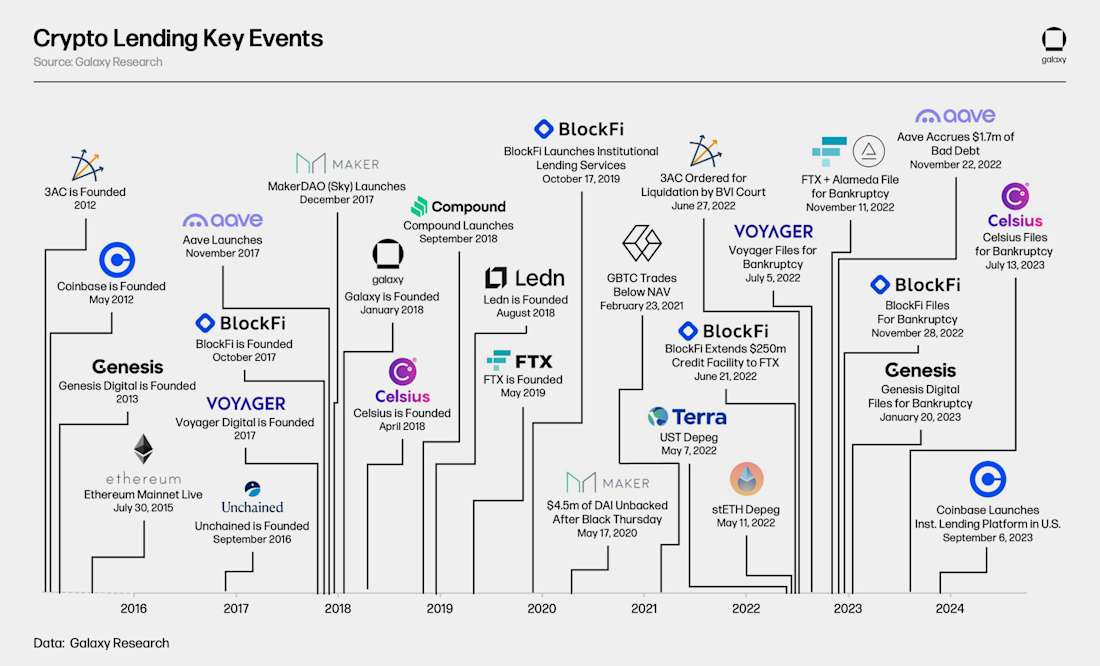
This regulatory pressure is reshaping how credit scores are calculated. Traditional models rely on static payment history, but new reporting standards require dynamic verification of onchain behavior. Lenders are now required to assess not just whether a borrower repays, but how they manage digital assets. This includes evaluating wallet age, transaction frequency, and interaction with verified smart contracts. The goal is to create a risk profile that reflects the volatility and complexity of crypto holdings, ensuring that credit decisions are based on verifiable, real-time data rather than speculative assumptions.
The integration of onchain data into credit reporting is a defensive measure against financial crime, not an endorsement of crypto-native scoring. As legal scholars note, "crypto-native credit scoring aims to bridge the gap in risk assessment, rendering DeFi lending more robust and inclusive" [[src-serp-1]]. However, the current regulatory focus is on transparency and compliance. Lenders must navigate these new rules carefully, as failure to integrate onchain verification can result in significant penalties under updated AML frameworks. The future of credit reporting in 2026 is defined by this intersection of traditional finance and onchain reality, where data integrity is the primary currency of trust.
Best crypto credit cards for building history
The current regulatory landscape for crypto credit cards is defined by a single mechanism: traditional credit reporting. To build a tradFi credit score, you need a card that reports your activity to Equifax, Experian, or TransUnion. Most "crypto" cards are simply unsecured lines of credit with crypto rewards, not blockchain-based lending products.
When selecting a card for this purpose, prioritize issuers with a track record of reporting to all three major bureaus. Avoid cards that only report to one bureau or skip reporting entirely. The goal is consistent, positive payment history, not speculative yield.
Gemini Credit Card
The Gemini Credit Card is a strong option for users who want to earn crypto rewards while building credit. It reports to all three major credit bureaus, which is essential for score building. The card offers a flat 1% cashback in Bitcoin, which is simple and transparent. It requires good to excellent credit (670–850 FICO) for approval, so it is not suitable for those starting from scratch.
Crypto.com Visa Card
The Crypto.com Visa Card offers tiered rewards based on how much CRO you stake. Higher tiers offer more crypto back on spending. Crucially, Crypto.com reports to all three major credit bureaus. This makes it a viable option for building credit history, provided you can manage the staking requirements and annual fees associated with higher tiers.
Coinbase Card
The Coinbase Card allows you to earn crypto rewards on everyday purchases. It reports to all three major credit bureaus, making it a legitimate tool for credit building. The rewards are paid in the crypto you spend, which can be convenient for those already invested in the ecosystem. However, the rewards rate is modest compared to traditional cashback cards.
Pitfalls in Crypto Credit Building
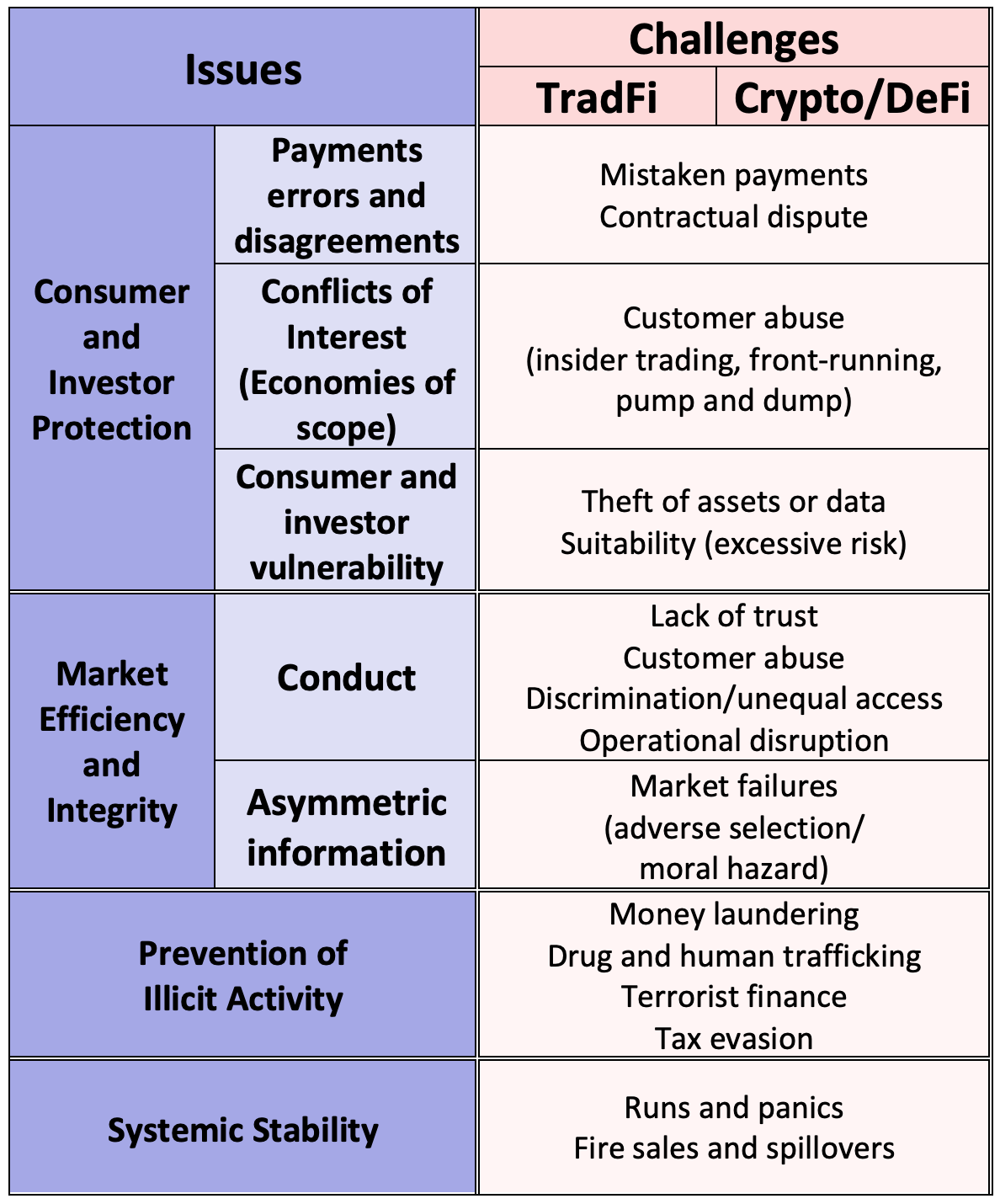
Building a credit profile on-chain requires discipline, but several common behaviors can derail progress or expose users to significant financial risk. The most dangerous pitfall is over-leveraging collateral. While protocols allow you to borrow against your assets, borrowing too close to your liquidation threshold turns a stable credit-building exercise into a high-stakes gamble. A sudden market dip can wipe out your collateral, destroying your on-chain history and leaving you with a deficit. Treat your collateral ratio like a safety buffer, not a line to push to the limit.
Another critical error is relying on unverified "crypto credit" services. The landscape is rife with platforms promising instant FICO-style scores based solely on wallet activity. These services often lack regulatory oversight and may sell your data to third parties without clear consent. Unlike traditional credit bureaus, which are bound by specific consumer protection laws, many on-chain reporting entities operate in a gray area. Always verify if a service is recognized by major TradFi lenders before sharing sensitive wallet data.
Finally, be wary of the illusion of anonymity. While blockchain transactions are pseudonymous, linking your wallet identity to your real-world identity for credit reporting creates a permanent record. If you default on a loan or engage in suspicious activity, that negative history travels with your address. In an industry where illicit flows are rising—estimated at $158 billion in incoming value to illicit wallets in 2025—maintaining a clean, compliant on-chain record is more important than ever. Your digital footprint is your reputation; protect it with the same caution you would apply to your social security number.
Frequently asked questions about crypto credit
Does buying or trading crypto affect my credit score?
Generally, no. Purchasing or trading cryptocurrencies on decentralized exchanges or major platforms does not report activity to the major credit bureaus (Equifax, Experian, TransUnion). Your crypto holdings are invisible to your traditional credit file unless you default on a loan specifically tied to those assets. However, if you finance crypto purchases through a personal loan or credit card, that debt appears on your report. Missed payments on those debts will damage your score, even if the underlying asset is Bitcoin.
Will crypto transactions ever be used to build a credit score?
Current regulatory frameworks do not recognize onchain history as a basis for traditional FICO scores. While some fintech startups are experimenting with "onchain credit" models that use wallet history to underwrite loans, these are not yet integrated into the mainstream TradFi credit reporting system. As of 2026, no federal agency has mandated that blockchain data be used for standard credit reporting. Any claims suggesting your wallet address directly boosts your FICO score are speculative and not supported by current law.
How do crypto-backed loans impact my credit?
If you take out a loan from a crypto lending platform and it reports to credit bureaus, your payment history will appear on your report. Some platforms report positive payment history, which can help build credit, while others may report defaults. Crucially, unlike traditional mortgages, crypto loans are often unsecured or over-collateralized. If the value of your collateral drops, you may face a liquidation rather than a late fee, but the debt itself may still be reported as delinquent if not resolved. Always verify whether a specific lending protocol reports to Experian, Equifax, or TransUnion before borrowing.
No comments yet. Be the first to share your thoughts!